


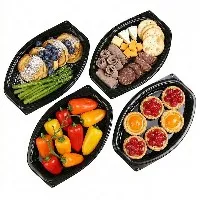

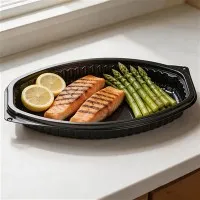
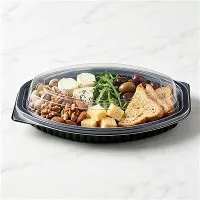
Disposable Food Containers


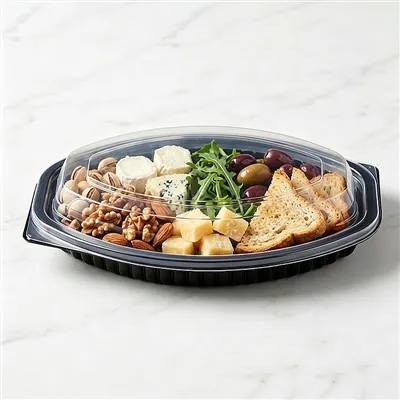


The Comprehensive Guide to Disposable Food Containers
Introduction
In today's fast-paced world, disposable food containers have become an indispensable part of our daily lives. From takeout meals to meal preps, these convenient packaging solutions ensure that food remains fresh and portable.
Disposable food containers, often made from materials like plastic, foam, or paper, offer a practical way to transport and store edibles without the need for washing or reusing. As consumer demand for quick and hygienic options grows, understanding the intricacies of disposable food containers is essential for both individuals and businesses alike.
This comprehensive guide explores the history, types, manufacturing processes, benefits, environmental impact, regulations, and future trends of disposable food containers, providing authoritative insights for informed decision-making.
History of Disposable Food Containers
The evolution of disposable food containers traces back to ancient times when natural materials like leaves and animal skins were used for wrapping food. However, the modern era began in the 19th century with the invention of paper-based packaging.
In 1817, the first commercial paper bags were produced, paving the way for more structured disposable food containers. By the early 20th century, the rise of fast food chains necessitated efficient packaging solutions.
The 1940s saw the introduction of foam-based disposable food containers, particularly polystyrene foam, which revolutionized takeout. McDonald's popularized the use of styrofoam clamshells in the 1970s, making disposable food containers synonymous with convenience.
Key Milestones
Ancient Times
Natural materials like leaves and animal skins are used for food wrapping
1817
The first commercial paper bags were produced
1940s
Introduction of foam-based disposable food containers
1970s
McDonald's popularizes styrofoam clamshells
1990s-2000s
Shift toward biodegradable options due to environmental concerns
2024-2034
Market projected to reach USD 188.74 billion with 4.23% CAGR
Types and Materials
Disposable food containers come in various forms, each tailored to specific needs. Common types include clamshells, bowls, trays, and cups, designed for hot or cold foods. Materials play a crucial role in their performance, with plastic, foam, paper, and biodegradable alternatives dominating the landscape.
Materials Comparison
| Material | Durability | Insulation | Biodegradability | Common Uses |
| Plastic (PET/PP) | High | Moderate | Low | Takeout bowls, trays |
| Foam (EPS) | Medium | High | Low | Hot food clamshells |
| Paper | Low | Low | High | Dry food wrappers |
| Biodegradable (Bagasse/PLA) | Medium | Moderate | High | Eco-friendly takeout |
Plastic Containers
Often made from polyethylene terephthalate (PET) or polypropylene (PP), plastic containers are lightweight and resistant to moisture.
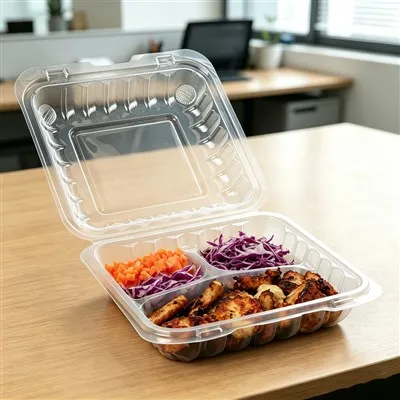
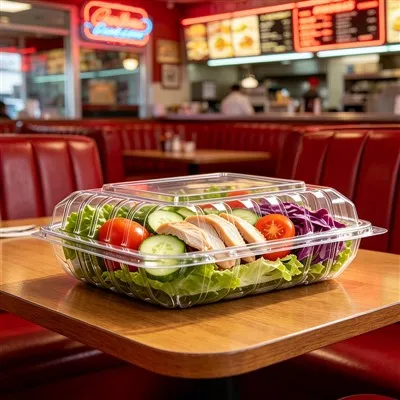
PET is crystal clear, ideal for displaying salads or fruits
PP handles higher heats, making it suitable for microwave use
Recyclable in many regions
Foam Containers
Typically, expanded polystyrene (EPS) foam containers provide excellent insulation for hot foods.
Excel in keeping hot foods warm for extended periods
Contribute to long-term waste problems
Face bans in many regions due to pollution concerns
Paper Containers
Coated with wax or polyethylene, paper containers offer a more eco-friendly option but may lack durability for liquids.
Often sourced from recycled pulp
Compostable if uncoated
Coatings can hinder the biodegradation process
Biodegradable Containers
Derived from bagasse or PLA (polylactic acid), these containers decompose naturally, reducing environmental footprint.
Bagasse (sugarcane byproduct) is microwave-safe and compostable within 90 days
PLA (corn starch) offers transparency similar to plastic
PLA requires industrial composting facilities to break down properly
Manufacturing Process
The production of disposable food containers involves several precise steps to ensure quality and safety. Each material has its own manufacturing process, tailored to its unique properties.
Plastic Containers
Polymer resin pellets are melted and extruded into sheets
Sheets are formed into shapes using injection molding or thermoforming
Containers are cooled and trimmed to final dimensions
Quality control checks for leaks, temperature resistance, and chemical migration
Foam Containers
Polystyrene beads are pre-expanded with steam
Pre-expanded beads are fed into molds
Steam is applied to expand the beads further and fuse them together
Molded foam is cooled, removed from molds, and trimmed
Paper Containers
Wood or recycled paper is pulped into a fibrous suspension
Pulp is formed into sheets and dried
Sheets are coated with wax or polyethylene for water resistance
Coated sheets are cut and formed into containers using specialized machinery
Biodegradable Containers
Natural fibers (bagasse, PLA) are processed into a moldable material
Material is placed in molds and subjected to high pressure and heat
Molded products are cooled and removed from molds
Containers are tested for compostability and food safety compliance
Quality Control
Quality control is vital in manufacturing disposable food containers. Rigorous testing ensures that products meet safety standards and perform as expected.
Leak-Proof Testing
Containers are filled with liquids and tilted to ensure no leakage occurs
Temperature Resistance
Products are tested at various temperatures to ensure stability
Chemical Migration
Tests ensure no harmful substances migrate from the container to the food
Weight Capacity
Containers are tested to ensure they can hold specified food weights
Weight Capacity
Products undergo stress tests to ensure they maintain integrity during use
Regulatory Compliance
All products are tested to meet FDA and other regulatory standards
Advantages and Benefits
Disposable food containers offer numerous benefits that make them a staple in the food industry. Their practical advantages have made them indispensable in modern food service and consumer lifestyles.
Convenience
The primary advantage of disposable food containers is their convenience. No cleaning required means significant time savings for both busy consumers and restaurants.
Eliminates the need for washing and drying
Lightweight and easy to transport
Ideal for on-the-go lifestyles
Saves storage space compared to reusable alternatives
Hygiene & Safety
Hygienic aspects are paramount, as single-use disposable food containers reduce cross-contamination risks in food service and home environments.
Reduces cross-contamination between users
Sterile options available for healthcare settings
Sealed containers protect food from external contaminants
Compliance with FDA regulations ensures food safety
Cost-Effectiveness
Cost-effectiveness is another key benefit, especially for businesses operating on tight margins.
Bulk purchasing lowers unit costs
Eliminates costs of washing, drying, and storing reusable items
Reduces labor costs associated with dishwashing
Minimizes breakage costs compared to glass or ceramic alternatives
Versatility & Preservation
Disposable food containers offer versatility in design and excellent food preservation capabilities.
Available in various shapes and sizes for different food types
Compartmental designs for meal separation
Insulated options maintain food temperature
Airtight seals prevent spoilage and maintain freshness
Environmental Impact
Despite their utility, disposable food containers pose significant environmental challenges. Understanding these impacts is crucial for making more sustainable choices.
Environmental Impact Comparison
| Material | Carbon Footprint (kg CO2/kg) | Decomposition | Time Recyclability |
| Plastic | 6-8 | 400+ years | High (if sorted) |
| Foam | 3-5 | 500+ years | Low |
| Paper | 1-2 | 2-6 months | High |
| Biodegradable | 0.5-1 | 3-6 months | Compostable |
Environmental Impact Visualization

Pollution Concerns
Plastic and foam containers contribute to pollution, with millions of tons ending up in landfills annually
Containers and packaging make up a substantial portion of municipal solid waste
Non-biodegradable containers can take 450 years or more to decompose
Microplastics leach into soil and water, affecting ecosystems
Marine life suffers as containers fragment into particles mistaken for food
Sustainable Solutions
Biodegradable variants reduce waste accumulation when properly composted
Improved recycling programs for plastic containers increase diversion from landfills
Lightweighting designs use less material, reducing the environmental footprint
Circular economy models design containers for reuse or easy recycling
Consumer education promotes proper disposal and recycling practices
Regulations and Standards
Regulatory bodies around the world oversee disposable food containers to ensure safety and environmental compliance. These regulations help protect consumers and the planet.
FDA Regulations
The U.S. Food and Drug Administration (FDA) regulates materials that come into contact with food.
Materials must be food-contact safe
Free from migrating chemicals like phthalates
PFAS (used in grease-proofing) face scrutiny
Specific migration limits for substances
EU Regulations
The European Union has strict regulations on disposable food containers.
Single-Use Plastics Directive bans certain foam containers.
Promotes eco-friendly alternatives
Strict labeling requirements for recyclability
Extended Producer Responsibility (EPR) schemes
Key Standards for Disposable Food Containers
| Standard | Issuing Body | Scope |
| FDA 21 CFR Part 177 | FDA (USA) | Plastics used in food contact applications |
| ASTM D6400 | ASTM International | Standard for compostable plastics |
| EN 13432 | CEN (EU) | Requirements for packaging recoverable through composting and biodegradation |
| ISO 18606 | ISO | Compostable plastics - Specifications and test methods |
| GB/T 28018 | SAC (China) | Biodegradable plastic shopping bags |
Common Industry Problems and Solutions
Disposable food containers encounter several issues, but innovative solutions exist based on expert recommendations and industry best practices.
Problem: Leakage in Takeaway Containers
Traditional plastic and foam disposable food containers often leak with hot or oily foods, leading to messes and customer dissatisfaction.
Solutions:
Switch to bagasse-based containers, which are naturally oil-resistant without linings
Implement secure lid designs with silicone seals
Educate staff on proper sealing techniques
Source from certified manufacturers to ensure durability
Problem: Chemical Leaching from Heating
Heating disposable food containers in microwaves can cause chemicals like BPA or phthalates to leach into food, posing health risks.
Solutions:
Opt for microwave-safe, PFAS-free containers labeled accordingly
Educate consumers to transfer food to glass or ceramic before heating
Manufacturers are phasing out harmful additives, favoring PLA alternatives
Regulatory compliance with FDA guidelines minimizes risks
Problem: Low Recycling Rates
Many disposable food containers end up in landfills due to contamination or a lack of facilities.
Solutions:
Design recyclable containers with clear labeling
Implement community programs and restaurant collection points
Promote biodegradable options to reduce dependency on recycling
Advocate for extended producer responsibility policies