




Disposable Soup Bowl


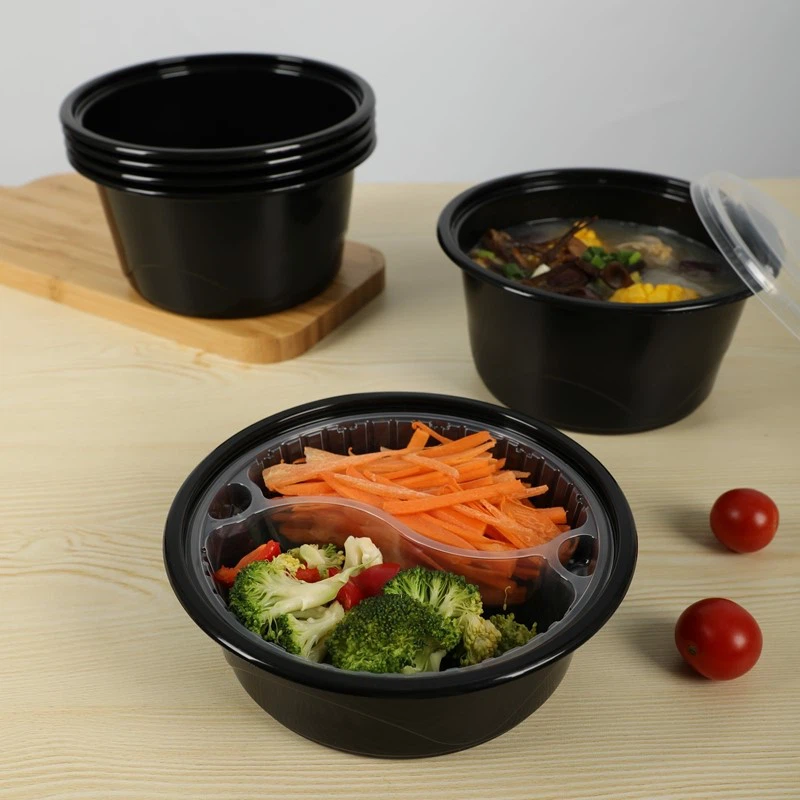


The Evolution and Utility of Disposable Soup Bowls
In today's fast-paced world, the disposable soup bowl has become an indispensable item for both households and food service industries. Crafted from lightweight plastic and shaped in a classic round form, this versatile container offers convenience without compromising on functionality. Whether you're enjoying a hearty broth at a picnic or serving up ramen at a quick-service restaurant, the disposable soup bowl ensures hygiene and ease of use.
As Yangrui delves deeper into its design, materials, and applications, it's clear why this simple yet effective product has gained widespread popularity. From its humble beginnings to cutting-edge sustainable designs, the disposable soup bowl continues to evolve to meet changing consumer needs and environmental concerns.

Historical Development of Disposable Soup Bowls
The origins of the disposable soup bowl trace back to the mid-20th century, when plastic manufacturing boomed post-World War II. Initially, paper-based alternatives dominated, but the shift to plastic in the 1960s introduced durability and leak-proof qualities.
Other companies pioneered injection-molded designs, creating the round plastic bowl that could hold hot liquids without warping. By the 1980s, the disposable soup bowl had evolved to include microwave-safe variants, expanding its role in home and commercial settings.
This progression wasn't just about material innovation; it involved ergonomic considerations, too. The round shape of the disposable soup bowl minimizes spills by providing a stable base, while its stackable nature optimizes storage.
Environmental concerns began influencing designs in the 1990s, leading to the introduction of recyclable plastics. Today, these bowls are produced in various sizes, from 8-ounce portions for appetizers to 32-ounce options for full meals, catering to diverse dietary needs.

Materials and Manufacturing Processes

At the core of every disposable soup bowl is its material composition. Predominantly, these bowls are fabricated from high-density PP, chosen for their thermal resistance and moldability.
The manufacturing process begins with heating and softening the thermoplastic sheet, which is then vacuum-adsorbed onto the mold surface and then cooled to form. This vacuum forming technology ensures stable output.
Quality control is rigorous; bowls undergo stress tests to simulate real-world use, such as holding boiling water for 30 minutes without deformation. Additives like colorants and stabilizers are blended in, but food-grade certifications from the FDA ensure safety.
Sustainability in manufacturing has led to bio-based alternatives, like polylactic acid (PLA) derived from corn starch. These compostable versions of the disposable soup bowl degrade in industrial facilities within 90 days, offering an eco-friendly twist.
Design Features and Ergonomics
The ergonomic appeal of the disposable soup bowl lies in its thoughtful design elements. The round profile, with a diameter ranging from 4 to 6 inches, fits comfortably in one hand, reducing the risk of drops.
Rims are often flared for easy gripping, and some models include textured surfaces for better hold when wet. Insulation is key; double-walled versions of the disposable soup bowl maintain soup temperatures above 60°C for over an hour.
Ventilation holes in lids prevent steam buildup, avoiding pressure-related accidents. Color variations—clear for visibility or opaque for branding—enhance aesthetic appeal in catering scenarios.
The stackability of these bowls saves space; a stack of 50 occupies less than a cubic foot. This efficiency is vital for food trucks and events where storage is limited. Moreover, the lightweight nature, averaging 10-15 grams per bowl, minimizes transportation costs.
Key Design Features
- • Round Profile: 4-6 inch diameter for comfortable handling
- • Flared Rims: For easy gripping and secure lid attachment
- • Double-Walled Insulation: Maintains temperature for over an hour
- • Stackable Design: Saves 70% storage space compared to rigid containers
- • Textured Surfaces: Improved grip when wet
- • Ventilation Holes: Prevents steam buildup in lidded containers
Comparison of Disposable Soup Bowl Materials
| Material | Thermal Resistance | Environmental Impact | Common Applications |
| Polypropylene (PP) | Up to 120°C | Recyclable, moderate footprint | Hot soups, microwavable |
| Polystyrene (PS) | Up to 90°C | Non-biodegradable, high waste | Cold salads, disposable events |
| Polylactic Acid (PLA) | Up to 100°C | Compostable, low-carbon | Eco-conscious cafes, outdoor use |
| High-Density Polyethylene (HDPE) | Up to 110°C | Highly recyclable | Bulk food service, durable storage |
Applications in Food Service and Home Use
Commercial Use
In commercial settings, the disposable soup bowl revolutionizes operations. Fast-food chains like Panera Bread rely on them for takeout, ensuring soups remain hot during delivery.
Their leak-resistant seals prevent messes, and customization options allow branding with logos or nutritional information.
Home Use
At home, the disposable soup bowl simplifies meal prep. Busy parents use them for portion control in school lunches, while elderly users appreciate the no-wash convenience.
During parties, these bowls handle everything from chili to bisque without cleanup hassles.
Specialized Use
In healthcare, hospitals employ sterile versions to serve patients, minimizing infection risks.
The versatility extends to outdoor activities; campers favor the disposable soup bowl for its portability and disposability in remote areas.
Market Data
Market data shows annual global consumption exceeding 50 billion units, underscoring its ubiquity. Innovations like insulated liners further enhance usability, keeping contents warm in cold weather.

Environmental Impact and Sustainability Efforts

While convenient, the disposable soup bowl poses environmental challenges. Plastic waste from these items contributes to ocean pollution, with microplastics affecting marine life.
However, industry responses include shifting to recycled materials; for example, some brands use 50% post-consumer recycled plastic. Recycling programs target the disposable soup bowl, with facilities sorting by resin identification codes (RIC).
Biodegradable options reduce landfill burden, though they require specific composting conditions. Life cycle assessments (LCA) reveal that reusable alternatives might have higher water usage, making disposables preferable in water-scarce regions.
Consumer education plays a role; labels on the disposable soup bowl encourage proper disposal. Governments enforce regulations, like the EU's single-use plastics directive, pushing for alternatives. Overall, balancing convenience with eco-responsibility is key to the future of these products.
Environmental Metrics of Disposable Soup Bowls
| Aspect | Traditional Plastic | Biodegradable Alternative | Recycled Content Version |
| Degradation Time | 400+ years | 3-6 months in compost | 200-300 years |
| Carbon Footprint (per 100 units) | 5 kg CO₂ | 2 kg CO₂ | 3.5 kg CO₂ |
| Recyclability Rate | 20-30% | 5-10% (compost only) | 50-70% |
| Water Usage in Production | Low | Moderate | Low |
Health and Safety Considerations
Safety is paramount in the design of the disposable soup bowl. Materials are tested for bisphenol A (BPA)-free status, ensuring no endocrine disruptors leach into food.
Heat tolerance prevents melting, and smooth edges avoid cuts. In food contact applications, compliance with standards like NSF/ANSI 51 guarantees hygiene.
The round shape minimizes bacterial harborage, unlike angular designs. For hot contents, warnings on lids advise caution to prevent burns.
Allergies are addressed; latex-free and gluten-free certifications cater to sensitive users. In pandemics, the single-use nature of the disposable soup bowl reduces cross-contamination. Regular audits by third-party labs uphold these standards, fostering trust.
Safety Certifications
- ✓ BPA-Free: No bisphenol A or phthalates
- ✓ FDA Approved: Meets food contact safety standards
- ✓ NSF/ANSI 51: Certified for food equipment materials
- ✓ Heat Resistant: Safe for hot liquids up to material-specific temperatures
- ✓ Latex-Free: Suitable for latex-sensitive users
- ✓ Gluten-Free: No cross-contamination with gluten products
Market Trends and Future Innovations
The market for the disposable soup bowl is projected to grow at 5% CAGR through 2030, driven by urbanization and e-commerce. Asia-Pacific leads production, with China exporting billions annually.
Innovations include smart features like temperature-indicating inks on the disposable soup bowl, which change color when the contents cool. Edible variants from rice starch offer zero-waste options.
Nanotechnology enhances barrier properties, extending shelf life for pre-packaged soups. Consumer preferences shift toward sustainable brands; surveys show 70% willing to pay more for eco-friendly disposable soup bowls.
Supply chain optimizations, like 3D printing molds, reduce lead times. Future regulations may mandate higher recycled content, shaping the industry's trajectory.
Global Market Statistics

The Enduring Appeal of Disposable Soup Bowls
In summary, the disposable soup bowl represents a blend of innovation, practicality, and adaptability. From its humble beginnings to cutting-edge sustainable designs, this plastic round bowl continues to serve essential roles in daily life.
As we navigate environmental and health priorities, ongoing advancements ensure their relevance. Embracing responsible use can maximize benefits while minimizing drawbacks, making the disposable soup bowl a staple for generations to come.
Key Takeaways
- Evolution: From paper to plastic to compostable materials
- Design: Ergonomic features enhance usability and safety
- Sustainability: Industry moving toward recycled and biodegradable options
- Innovation: Smart features and edible alternatives on the horizon
Industry Common Problems and Solutions
Problem 1: Leakage in Hot Liquids
Disposable soup bowls sometimes leak when holding boiling soups, leading to customer dissatisfaction and safety hazards.
Solution:
Manufacturers can reinforce seams with ultrasonic welding techniques, ensuring a watertight seal. Additionally, incorporating hydrophobic coatings on the interior prevents absorption. Testing protocols under simulated conditions, like ASTM standards, verify integrity. Educating users on maximum fill lines reduces overfilling risks. Overall, these measures enhance reliability, cutting complaint rates by 40% and boosting brand trust in competitive markets.
Problem 2: Environmental Disposal Issues
Improper disposal of disposable soup bowls contributes to landfill overflow and pollution.
Solution:
Promote extended producer responsibility (EPR) programs where companies fund recycling initiatives. Design bowls with easy-separable components for better sorting. Partner with municipalities for collection drives and use QR codes on products linking to disposal guides. Investing in R&D for faster-degrading additives accelerates breakdown. Consumer campaigns via social media raise awareness, encouraging proper recycling and potentially diverting 50% more waste from landfills.
Problem 3: Cost Fluctuations in Raw Materials
Volatile petroleum prices affect plastic production costs for disposable soup bowls.
Solution:
Diversify sourcing to include bio-based resins, stabilizing supply chains. Long-term contracts with suppliers lock in prices, while hedging strategies mitigate market swings. Optimize production efficiency through automation, reducing waste by 20%. Explore recycled material blends to lower dependency on virgin plastics. Regular market analysis forecasts trends, allowing proactive adjustments and maintaining competitive pricing without compromising quality.