

"Takeout" has grown to be a significant component of contemporary eating due to the quick development of the global food delivery culture. Takeout containers are referred to by different names in different nations, such as "to-go box" or "takeaway container." These phrases represent not just linguistic variations but also various food cultures and consumption beliefs. This article will examine the variations in takeaway container names across nations and consider how these variations affect global packaging and catering businesses. The simple to-go box is essential for keeping meals portable and fresh, whether you're ordering in after a long day or grabbing a fast lunch from a food truck. From bustling city streets to quiet suburban kitchens, the to-go box has evolved into an essential tool for on-the-move eating.

1. Names in English-Speaking Countries: From "To-Go Box" to "Doggy Bag"
The names for "takeout containers" are very regional in English-speaking nations. Although the terms "to-go box" in the US and "takeaway box" in the UK are different, they all have the same purpose of enabling consumers to effortlessly take away delectable meals. Consider this: the durable to-go box you get at a diner is more than just a container-it's a lifesaver for a busy professional's meal or leftovers. These variants demonstrate how language changes to fit local attitudes, and for businesses, choosing the proper term can mean the difference between success and failure when entering a market.

United States: The Most Common "To-Go Box"
In the United States, "to-go box" is almost synonymous with takeout containers. Whether in fast-food chains like McDonald's or Burger King, coffee shops such as Starbucks, or upscale restaurants in New York or Los Angeles, you'll often hear servers ask, "Would you like a to-go box?" This terminology reflects the fast-paced American lifestyle-people are always on the go, juggling work, family, and errands. The to-go box has become a cultural icon, especially in drive-thru culture where meals are handed out in clamshell designs made for easy transport.
In the past, the to-go box first appeared with the growth of suburbia and car culture following World War II. The to-go box satisfied the requirement for families dining out to bring extras home. The US market's need for recyclable and biodegradable materials is continuously growing due to growing environmental consciousness. The majority of contemporary to-go boxes are made of eco-friendly materials, such as PET for clarity in salad containers, PLA (polylactic acid) from maize starch for eco-conscious alternatives, and PP (polypropylene) for durability. These strike a balance between sustainability, heat resistance, and food safety. Chains like Chipotle, for example, highlight compostable to-go packaging to attract environmentally conscious consumers.
For export-oriented food packaging container factories, understanding the local usage of "to-go box" helps to accurately match the needs of the North American market. Imagine a supplier in Asia customizing lids with better venting for hot foods-knowing Americans say "to-go box" ensures product listings pop up in searches on Amazon or restaurant supply sites. The to-go box isn't just functional; it's a marketing tool. Brands print logos on them, turning every takeaway into free advertising. In high-volume areas like food festivals or sports events, stackable to-go boxes prevent chaos in delivery bags.
UK and Australia: Prefer "Takeaway Box"
"Takeaway" is the most commonly used takeout-related term in British English. Consumers in the UK, Australia, and some Commonwealth countries prefer to use "takeaway box" or "takeaway container" to refer to takeout containers. Picture a rainy evening in London: you order fish and chips, and it's packed in a sturdy takeaway box to survive the tube ride home. In Australia, with its beachside barbecues and urban hustle, the takeaway box is key for picnics or office lunches.
The term "takeaway" originated from "take-away" meals during the colonial era, which is where this desire originates. The usage of the word "takeaway" in product descriptions and SEO content should be given top priority in marketing plans for catering companies aiming to reach the Commonwealth market. This improves local search engine optimization while also bringing the brand's image closer to the local way of life. The aesthetics and environmental friendliness of takeout containers are more important in the UK market than in the US, which is why "eco-friendly takeaway box" is a prominent keyword.


While Brits like microwave-safe curry, Australians enjoy meat pies in grease-resistant takeout boxes. Paper-based takeaway boxes with PLA linings are becoming increasingly popular as regulations require less plastic. Manufacturers can demonstrate cultural awareness by creating a takeaway box with sections for sauces; consider keeping vinegar and chips apart. This place adds value by using the takeout box as a reheating pot.
Canada and New Zealand: A Mixed Use of "To-Go Box" and "Takeaway Container"
Canada and New Zealand have relatively diverse linguistic environments, influenced by both American and British English. Therefore, both "to-go box" and "takeaway container" are widely used. In Toronto's food scene, you might hear "to-go box" at a Tim Hortons, while in Vancouver, "takeaway container" fits the British lean. New Zealand's Kiwi casualness blends them seamlessly.
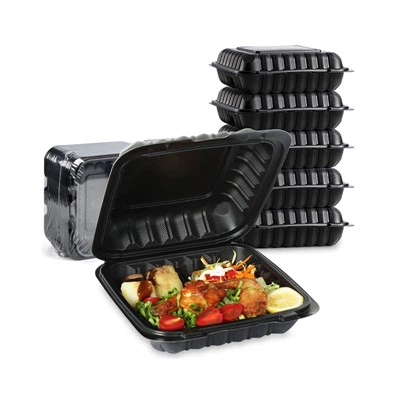 Meanwhile, Canada's bilingual policy (English + French) makes "boîte à emporter" a common term in the food service industry, especially in Quebec where poutine comes in a boîte à emporter to keep gravy intact. For businesses looking to enter these markets, product descriptions should incorporate multilingual keyword placement to improve search engine visibility and cross-language traffic.
Consider the to-go box in Canada's harsh winters: insulation is key, so foam or double-walled designs prevail. In New Zealand, with its outdoor lifestyle, lightweight, leak-proof to-go boxes for hikes or beach days are ideal. Export factories can win by offering customizable sizes-small for snacks, large for family shares. The takeaway container in these spots often features Maori-inspired designs in NZ for cultural touch.
2. Differences in Terminology Across Asian Countries: The Localization Evolution of Takeout Culture
The takeout culture in Asia has developed rapidly, but the names and usage habits for "takeout containers" vary greatly from region to region. These differences reflect the diversity of regional cultures and also provide export companies with opportunities for differentiated positioning. From street vendors to app-based deliveries, the to-go box adapts to spicy soups or delicate sushi.

China and Southeast Asia: "Takeout Box"
In China and Southeast Asia, "to-go box" is not a commonly used term; consumers are more familiar with local expressions such as "takeout box" and "takeout container." In Beijing, it's "waimai he" (外卖盒), but internationally, "takeout box" bridges gaps. However, for companies engaged in export business, using the keyword "to-go box" on international trade platforms like Alibaba or their official websites can help attract overseas customers to search.
 PET for cold bubble tea cups, PLA for eco pushing in Singapore, and PP for heated noodles are typical materials in these areas. Takeout container designs that are appropriate for restaurant, convenience shop, and takeout settings prioritize sealing, leak avoidance, and stackability. A to-go box that won't leak in traffic is essential for delivery riders on scooters; consider anti-leak valves.
Manufacturers of containers can improve their product descriptions and marketing tactics by being aware of the regional variations in customer terminology. Pad Thai is kept dry in a colorful to-go box in Thailand's night markets. Takeout containers that are safe for soup are essential for Vietnam's pho. This to-go box is inexpensive and throwaway, but foam bans are increasing sustainability.
Japan: The Cultural Extension of the Bento Box
In Japan, the "Bento Box" is not just a type of food container, but also a cultural symbol. Unlike the practical function of to-go boxes, Bento emphasizes the aesthetics and arrangement of food-colorful rice, veggies, and proteins in compartments. Train stations sell ekiben in elaborate bento boxes, blending to-go box utility with art.

In the international market, many Japanese restaurant brands have successfully created a packaging image with cultural resonance by using "Bento Box" as their brand label. This inspires global food container manufacturers-packaging is not just a container, but also an extension of brand culture. Therefore, when promoting Japanese or East Asian style food packaging, "bento box" can be combined with "to-go box" to improve search relevance.
Modern twists include microwaveable bento-style to-go boxes for office workers. Exporting a hybrid to-go box with dividers taps into this-practical yet pretty.
South Korea and Thailand: Combining Takeout Culture and Street Food
The street food culture in South Korea and Thailand has driven the development of takeout packaging. In Seoul, tteokbokki comes in a heat-resistant to-go box; in Bangkok, som tam in a vented one. Local to-go box designs emphasize a combination of practicality and visual appeal, often using a composite structure of PP plastic and paper to meet the needs of takeout and ready-to-eat foods.
With the widespread adoption of food delivery platforms like Baemin or Grab, these markets are increasingly focusing on environmental protection and biodegradability. Stackable and highly airtight to-go boxes are becoming a trend, providing new market opportunities for export-oriented manufacturers. K-pop events mean branded takeaway containers; Thai festivals need durable ones for spicy sauces.


3. European Country Approaches: Emphasis on Environmental Protection and Design
In the European market, takeaway packaging places greater emphasis on environmental protection and reuse. Whether it's the German "eco box" or the French "boîte à emporter," the core concept is to reduce the use of single-use plastics. EU directives push reusable to-go boxes in cafes.
Germany and the Netherlands: Prevalence of "Takeaway Packaging" Or "Eco Box"
 Consumers in Germany and the Netherlands generally value environmental protection, and catering businesses tend to use "eco-friendly takeaway boxes" or "recyclable to-go boxes." In Berlin, a currywurst vendor hands over an eco box made from sugarcane. This approach not only aligns with European environmental policies (such as the EU's ban on single-use plastics) but also resonates with local consumer psychology.
For food packaging container factories, emphasizing biodegradable and recyclable characteristics in product promotion can effectively increase the trust of European buyers. Dutch bike culture demands lightweight, crush-proof to-go boxes.
France: Use of "Boîte à Emporter"
French consumers pursue a high quality of life, and even takeaway containers emphasize design and brand aesthetics. While "Boîte à emporter" (literally "box to take away") shares the same meaning as "to-go box," it places greater emphasis on French elegance and the dining experience. A Paris crepe in a chic boîte à emporter feels gourmet.
For brands targeting markets that include France or French-speaking countries, appropriately incorporating French expressions into copywriting can not only enhance approachability but also strengthen multilingual SEO strategies. Wine-pairing meals need insulated to-go boxes.
Italy and Spain: Localized Language, Consistent Concept
 Both Italy's "contenitore da asporto" and Spain's "caja para llevar" originate from the concept of "take-away meals." Although the languages differ, the market demands are similar-the food containers need to balance insulation, aesthetics, and environmental friendliness. Pasta in Italy stays al dente in a vented contenitore da asporto; paella in Spain travels in a sturdy caja para llevar.
When designing and promoting, companies can combine "to-go box" with localized keywords to enhance global search performance. Mediterranean diets favor olive oil-resistant linings.
4. Why Is Understanding Different Terms Important?
Understanding expressions like "to-go box" in different countries not only facilitates communication but also directly impacts brand exposure and international trade performance. It's the difference between a sale and a scroll-past.
It Aids in Cross-Border SEO Optimization
 Different markets have different search habits. For example, US users search for "to-go box," while UK users prefer "takeaway container." Strategically incorporating keywords into website and product descriptions can significantly improve overseas search visibility. For food packaging container factories, this language strategy is a crucial step in entering international markets. Add "boîte à emporter" for French traffic-boom, more clicks.
It Enhances Brand Communication
Using vocabulary familiar to the target market makes the brand more approachable. For example, using "takeaway box" when targeting Australian customers makes the brand image more localized and easier for consumers to accept. A to-go box with "G'day" branding Down Under builds loyalty.
It Promotes International Trade and Brand Recognition
In international markets, accurately using specialized terms like "to-go box" helps buyers quickly understand product categories and uses, increasing trust. For export companies, this serves as a linguistic bridge connecting them to global buyers. Custom to-go boxes for festivals or corporates amplify reach.

The world of to-go boxes is as diverse as the meals they carry. From the practical American to-go box to the artistic Japanese bento, these containers tell stories of culture, convenience, and innovation. For businesses, mastering terms like to-go box isn't just linguistics-it's smart strategy in a global feast. As delivery apps explode and sustainability rises, the to-go box will keep evolving, one takeaway at a time.
