

Meal prep and on-the-go dining have become staples of modern life, driving demand for reliable food storage containers that balance convenience, safety, and functionality. Two of the most popular options on the market are the best microwave containers with lids and the best salad meal prep containers. While both serve the purpose of storing food, they are engineered with distinct features to cater to specific culinary needs-one optimized for reheating hot meals, the other designed to keep cold salads fresh and organized. Understanding their differences, strengths, and ideal use cases is key to choosing the right container for your lifestyle. This article will conduct a comprehensive comparison of these two container types, helping you make an informed decision.
1. Core Design Focus: Reheating Efficiency vs. Freshness Preservation
The fundamental difference between best microwave containers with lids and best salad meal prep containers lies in their core design objectives. Microwave containers are built to prioritize safe, efficient reheating, while salad meal prep containers are engineered to maintain the freshness, texture, and separation of salad components.
1.1 Best Microwave Containers With Lids: Reheating-Centric Design
The top microwave containers with lids are designed to address the unique challenges of microwave heating, such as steam buildup, uneven heating, and chemical leaching. A key feature of these containers is the vented lid-a small opening or adjustable vent that allows steam to escape during reheating, preventing messy splatters inside the microwave and avoiding pressure buildup that could warp the container or compromise the seal. For example, the Rubbermaid Brilliance Vented Food Storage Containers, a top-rated option, feature built-in microwave vents under the latches that open easily without removing the lid, ensuring hassle-free reheating.

Additionally, these containers are crafted to withstand rapid temperature changes. High-quality models use materials like borosilicate glass or BPA-free polypropylene (PP #5), which can handle the heat of the microwave (typically up to 120°C for plastic and higher for glass) without warping or releasing harmful chemicals. The Vtopmart 8-Pack Glass Containers, for instance, are made of borosilicate glass that tolerates temperatures from -4°F to 752°F, making them safe for microwave, freezer, and even oven use. The base design is often smooth and wide to promote even heat distribution, ensuring that leftovers are reheated thoroughly without cold spots.
1.2 Best Salad Meal Prep Containers: Freshness and Separation as Priorities
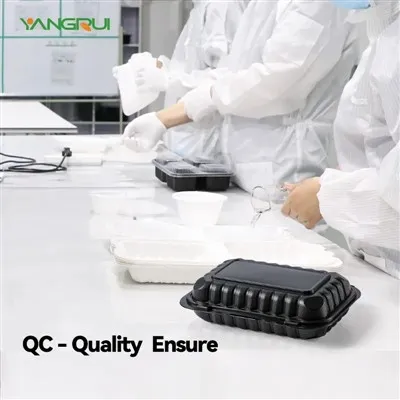
Salad meal prep containers, by contrast, are designed to keep salads fresh for extended periods-often 3-5 days in the fridge-and maintain the distinct textures of different components (e.g., crisp lettuce, crunchy croutons, creamy dressing). The most critical design element here is compartmentalization. Top-rated salad containers feature multiple separate compartments to prevent wet ingredients (like dressing or sliced tomatoes) from making dry components soggy. For example, the Quick Salad Keeper with Dressing Spoon comes with dedicated sections for toppings, dressing, and snacks, ensuring that every bite of the salad remains crisp and flavorful.
Another key feature is the airtight, leak-proof seal. Unlike microwave containers, which need vents for reheating, salad containers require a tight seal to lock in moisture and prevent dressing or liquid from leaking into other compartments or outside the container. Many high-quality models use silicone gaskets or snap-lock lids to achieve this. The Fresh Salad Container with Multi-Compartment for On-the-Go, a 52-oz large-capacity option, uses a secure click-on lid design to ensure leak-proof storage, making it ideal for commuters. Additionally, clear materials (such as Tritan plastic or glass) are common in salad containers, allowing users to easily see the contents and check freshness without opening the lid.
2. Material Selection: Heat Resistance vs. Lightweight Portability
Material choice is another major differentiator between the two container types, driven by their respective use cases. Microwave containers prioritize heat resistance and safety, while salad meal prep containers balance freshness preservation with lightweight portability.


2.1 Materials for Best Microwave Containers With Lids
The best microwave containers with lids primarily use two types of materials: glass and BPA-free plastic.
Glass (especially borosilicate glass) is a premium choice for microwave containers due to its excellent heat resistance, non-porous surface (which resists stains and odors), and safety (no risk of chemical leaching). Glass containers are ideal for reheating saucy or acidic foods (like tomato-based dishes) that can react with plastic. The Prep Naturals Glass Meal Prep Containers, for example, use borosilicate glass bases with steam-release vents, making them safe for microwave, oven, and dishwasher use. However, glass containers are heavier and more prone to breaking, which limits their portability.
BPA-free plastic (such as PP #5 or Tritan) is a popular lightweight alternative. PP plastic is microwave-safe when vented, durable, and affordable, making it suitable for daily use. The Bentgo Prep Deluxe Vented Containers, a top pick for meal preppers, are made of BPA-free plastic with vented lids, offering great value and portability. Tritan plastic, used in high-end options like Rubbermaid Brilliance containers, is clear, shatter-resistant, and resistant to odors and stains, combining the clarity of glass with the durability of plastic. It's important to note that not all plastics are microwave-safe-only those labeled with PP #5 or a "microwave-safe" icon should be used for reheating.
2.2 Materials for Best Salad Meal Prep Containers
Salad meal prep containers typically use lightweight BPA-free plastic (Tritan, PP) or glass, with a greater emphasis on portability.
Tritan plastic is a top choice for salad containers because it is lightweight, shatter-resistant, and clear. It resists odors and stains, making it ideal for storing acidic or oily salad dressings. The Brilliantly Clear Lunch and Leftover Storage Set, which includes dressing containers and trays, uses Tritan plastic to ensure long-lasting clarity and freshness. PP plastic is also used for more budget-friendly salad containers, offering durability and freezer safety.
Glass salad containers are less common but offer the same safety benefits as glass microwave containers. However, their weight makes them less suitable for on-the-go use. Some salad containers combine materials, such as glass bases with plastic lids, to balance safety and portability. For example, the Spreccio Glass Meal Prep Bowls Set uses BPA-free glass bases with silicone-sealed plastic lids, keeping salads fresh while being easier to carry than full-glass containers.
3. Functionality and Use Cases: Versatility vs. Specialization
When it comes to functionality, the best microwave containers with lids offer greater versatility for various hot food scenarios, while the best salad meal prep containers are specialized for cold, layered food storage.
3.1 Best Microwave Containers With Lids: Versatile for Hot Meals
 Microwave containers are highly versatile and suitable for a wide range of hot foods, including leftovers (casseroles, curries, pastas), batch-cooked meals (grains, proteins), and even soups and noodles. Their vented lids and heat-resistant materials make them ideal for reheating these foods quickly and safely. The Sistema Microwave Collection Noodle Bowl, for example, is specifically designed for reheating soups and noodles with a built-in steam release vent, preventing spills and ensuring even heating.
Many microwave containers also double as storage containers for the fridge or freezer, making them perfect for meal preppers who cook in bulk and reheat meals throughout the week. However, these containers are less suitable for cold salads, as their single-compartment design (in most cases) mixes all ingredients, leading to sogginess over time.
3.2 Best Salad Meal Prep Containers: Specialized for Cold Salads

Salad meal prep containers are specialized for cold food storage, with their compartmentalized design making them ideal for salads, grain bowls, and snack platters. They excel at keeping ingredients separate until ready to eat, preserving the texture and freshness of each component. For example, the Bento Salad Kit with Leakproof Utensils comes with a dedicated dressing cup, plate, and multiple compartments, making it easy to pack a complete salad with toppings, croutons, and dressing.
These takeout containers are also optimized for portability, with lightweight designs and leak-proof seals that make them perfect for commuters, students, and gym-goers. The Navy Click-Top Salad Container (48 oz) features a secure click-on lid and stackable design, fitting easily into most lunch bags. While some salad containers are microwave-safe, they are not ideal for reheating large portions of hot food, as their compartmentalized design can hinder even heat distribution, and their seals may not handle steam buildup as effectively as dedicated microwave containers.
4. Key Considerations for Choosing: Matching Containers to Your Lifestyle
When deciding between best microwave containers with lids and best salad meal prep containers, consider your daily habits, meal preferences, and storage needs:
Choose Best Microwave Containers With Lids If:
- - You frequently reheat leftovers or batch-cooked hot meals (e.g., soups, pastas, casseroles).
- - You prioritize versatility and want a container that works for fridge, freezer, and microwave use.
- - You prefer heat-resistant materials (glass or durable plastic) for safe reheating.
- - Portability is less of a concern, or you primarily use the container at home or in the office (where weight and breakability are not major issues).
Choose Best Salad Meal Prep Containers If:
- - You regularly prep salads, grain bowls, or snack platters that require ingredient separation.
- - You need a leak-proof container to store dressings or liquid-rich ingredients.
- - Portability is key-you often take meals to work, school, or the gym.
- You want to preserve cold food freshness for 3-5 days.
- - You want to maintain the freshness and texture of cold foods for 3-5 days.
5. Top Recommendations for Each Category
To help you narrow down your options, here are the top recommendations for the best microwave containers with lids and the best salad meal prep containers, based on expert reviews and user feedback:


Top Picks for Microwave Containers With Lids
- Rubbermaid Brilliance Vented Food Storage Containers (Best Overall): Made of BPA-free Tritan plastic, these containers feature built-in vented lids for mess-free reheating, airtight seals for freshness, and stackable designs for easy storage. They are stain and odor-resistant, dishwasher safe, and ideal for both home and office use.
- Vtopmart 8-Pack Glass Containers (Best Glass Option): Crafted from borosilicate glass, these containers can withstand extreme temperature changes and are safe for microwave, oven, and freezer use. The leak-proof airtight lids ensure food stays fresh, making them perfect for reheating saucy or acidic meals.
- Bentgo Prep Deluxe Vented Containers (Best for Meal Prep): This 10-pack of 3-compartment BPA-free plastic containers features vented lids for safe microwaving and clear portion lines for balanced meals. They are lightweight, stackable, and great for bulk meal prepping on a budget.
Top Picks for Salad Meal Prep Containers
- Quick Salad Keeper with Dressing Spoon (Best for On-the-Go): This container comes with separate compartments for salad, toppings, and dressing, plus a built-in spoon for convenience. The leak-proof lid and lightweight design make it ideal for commuters and gym-goers.
- Fresh Salad Container with Multi-Compartment (Best Large-Capacity): With a 37-oz capacity and 3 compartments, this to go container can hold large salads or multiple snacks. The secure click-on lid ensures leak-proof storage, and the clear design allows for easy content visibility.
- Brilliantly Clear Lunch and Leftover Storage Set (Best Versatile Salad Set): This set includes takeout containers, dressing cups, and trays, making it perfect for customizable salads. The BPA-free Tritan plastic is durable and clear, and the containers are dishwasher safe for easy cleanup.
It's Not About Which Is Better, But Which Is Right for You
In the comparison between best microwave containers with lids and best salad meal prep containers, there is no one-size-fits-all "better" option-each is designed to excel in its specific use case. Microwave containers are the go-to choice for anyone who frequently reheats hot meals, valuing versatility, heat resistance, and safe reheating. Salad meal prep containers, on the other hand, are indispensable for salad lovers and on-the-go diners, prioritizing freshness preservation, ingredient separation, and portability.
For many people, the ideal solution is to have both types of containers in their kitchen: microwave containers for hot leftovers and batch cooking, and salad containers for prepping cold meals. By matching the container to your meal type and lifestyle, you can ensure that your food stays safe, fresh, and delicious-whether you're reheating a home-cooked stew or enjoying a crisp salad at your desk.
