Benefits of Storing Dog Food in Plastic Containers
Storing dog food in plastic containers can offer several practical advantages:
- Airtight Seal: Many plastic containers come with airtight seals, which can help protect the food from exposure to moisture, air, and pests.
- Convenient Storage: Plastic containers are lightweight, durable, and available in various sizes. This allows pet owners to store large bags of food easily.
- Prevention of Spoilage: High-quality plastic containers can reduce exposure to oxygen, slowing down food spoilage and preserving nutritional content.
However, to ensure your dog's food remains safe, it's essential to pick food-grade plastic containers that won't leach harmful chemicals, especially if the container is placed in warm environments.
Drawbacks of Storing Dog Food in Plastic Containers
While plastic containers are convenient, they have some drawbacks that may affect the quality of the stored food:
- Potential for Chemical Leaching: Some plastics can release chemicals, especially if they are not food-grade or come into contact with oils from the dog food.
- Odor Absorption: Plastic can absorb the strong odors from dog food, which can transfer to future food stored in the container. This can be managed by thorough cleaning, as discussed in the following sections.
How to Get Food Stains Out of Plastic Containers
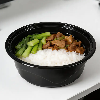
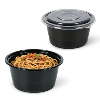
Plastic cheap to go containers used to store dog food or even leftovers can develop stains over time, particularly from oily or acidic foods. Here's a practical guide for removing food stains from plastic to keep your containers looking fresh and safe for future use.
Effective Methods for Removing Stains
Removing stains from plastic containers can often be achieved with common household items. Here are a few methods to try:
Baking Soda and Water Paste:
- Make a paste using baking soda and water, apply it to the stained areas, and let it sit for about 20 minutes.
- Scrub gently with a soft sponge, rinse thoroughly, and dry. Baking soda acts as a natural abrasive and deodorizer, effectively removing surface stains.
White Vinegar Soak:
- Soak the stained container in a solution of equal parts white vinegar and water for about 30 minutes.
- Afterward, wash with dish soap and rinse. The vinegar helps break down tough stains and kills any residual bacteria.
Lemon Juice and Sunlight:
- Apply lemon juice to the stained areas and place the container in direct sunlight for a few hours.
- The acidity of the lemon juice, combined with sunlight, can bleach out tough stains.
Preventing Future Stains
Once your container is stain-free, consider these tips to prevent future staining:
- Use oil-resistant liners or bag liners for greasy foods.
- Avoid microwaving plastic containers, as heat can exacerbate staining.
- Rinse containers immediately after use, especially when storing tomato-based or oily foods.
How to Get Mold Out of Plastic Food Containers
Mold can sometimes grow in plastic food containers if food has been left for too long or if moisture is trapped inside. Here's how to remove mold effectively to ensure your container is safe for continued use.
Steps for Cleaning Moldy Plastic Containers
Mold removal requires a few additional steps to ensure the container is clean and odor-free. Follow these steps:
Soak in Vinegar Solution:
Start by soaking the moldy container in a solution of white vinegar and water (1:1 ratio) for at least 1 hour. The vinegar's acidic nature helps kill mold and loosen its grip on the plastic.
Scrub with Baking Soda:
After soaking, sprinkle baking soda directly onto the moldy spots and scrub with a brush or sponge. Baking soda works well to scrub away any remaining mold without scratching the plastic surface.
Rinse with Hot Water:
Rinse the container with hot water to remove any residual mold and vinegar smell.
Use Bleach for Persistent Mold:
If the mold persists, a mild bleach solution (1 tablespoon bleach per 1 cup of water) can be used. Soak the container for about 15 minutes, rinse thoroughly, and wash with dish soap.
Mold Prevention Tips for Plastic Containers
To prevent mold from recurring, here are some helpful practices:
Keep Containers Dry: Mold grows in moist environments, so ensure the container is fully dry before storing food.
Store in Cool, Dry Places: Avoid humid locations when storing food-filled containers.
Regularly Inspect Containers: Check containers periodically if they're not frequently used to catch any mold growth early.
Are Plastic Containers the Best Option for Food Storage?
Plastic containers offer convenience and effective storage when used correctly, but they require proper maintenance to ensure food safety. To store dry dog food in plastic containers, opt for high-quality, food-grade plastic to minimize risks. When it comes to managing stains and mold, regular cleaning and careful storage can help keep your food takeout containers in prime condition, ensuring they remain safe and hygienic for your storage needs.
Where to Buy Plastic Food Containers?
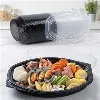
At Huizhou Yangrui Printing & Packaging Co., Ltd., we provide a wide range of plastic lunch boxes customized to suit your preferences. If you need a tailored solution or professional guidance, our dedicated team is here to help. We pride ourselves on offering innovative lunch box products that cater to your unique specifications. For more information about our premium plastic lunch boxes and robust manufacturing capabilities, contact us at sales@packagingbag5.com or call +86-159 8949 1653.
References
- Kumar, A., & Singh, S. (2020). Advances in Food Packaging Technology. Wiley-Blackwell.
- Matz, S. A. (1991). Packaging in the Food Industry. John Wiley & Sons.
- Dutta, S. K., & Kaur, B. (2019). Food Packaging: Principles and Practice. CRC Press.
- Mena, C., & Adenso-Díaz, B. (2018). Plastic Food Packaging: The Environmental Impact. Journal of Cleaner Production, 198, 1-10.
- Thakur, M. S., & Sharma, R. (2021). Sustainable Packaging Solutions for Food Products. Springer.
- Lopez, E. R., & Garcia, A. J. (2018). Food Safety and Quality: Control in Packaging. Elsevier.