

Injection molded PP and thermoformed PP are the two most common manufacturing methods used for PP take out packaging. Neither is universally "better"-the right choice depends on food type, budget, transportation requirements, and brand positioning. Injection-molded PP containers offer superior strength, premium appearance, and higher heat resistance, making them ideal for high-end takeout and prepared meals. Thermoformed PP containers provide lower production costs, lighter weight, and excellent scalability, making them the preferred solution for high-volume food delivery operations. Understanding the differences between these two PP takeout packaging options helps restaurants, distributors, and food brands make more cost-effective purchasing decisions.
I. What Are Injection Molded PP and Thermoformed PP Take Out Packaging?
PP (Polypropylene) is one of the most widely used materials in food packaging because it is food-safe, BPA-free, microwaveable, and resistant to oils, acids, and moisture.
However, PP take out packaging can be manufactured using different production processes, with the two most common being:
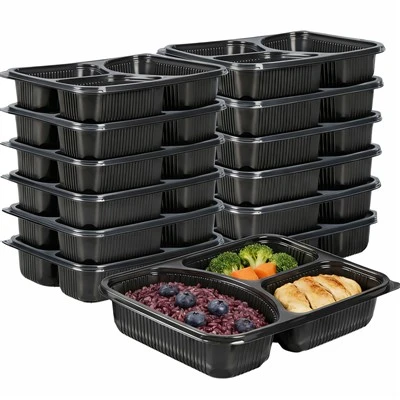
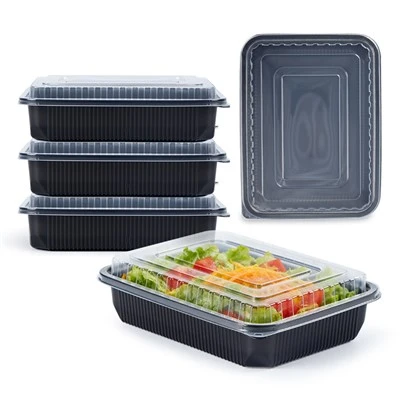
Injection Molded PP Containers
Injection molding involves melting PP resin and injecting it into a precisely engineered mold under high pressure. After cooling, the container takes the exact shape of the mold.
Characteristics include:
- Thick and rigid walls
- Excellent dimensional accuracy
- Strong structural integrity
- Premium appearance
- Higher tooling investment
Injection molding is commonly used for:
- Premium meal containers
- Reusable food containers
- Frozen food trays
- Airline meal packaging
- High-end takeaway boxes
Thermoformed PP Containers
Thermoforming, often called vacuum forming, starts with a PP sheet that is heated and formed into shape using molds and vacuum pressure.
Characteristics include:
- Thin and lightweight walls
- Lower manufacturing costs
- Faster production speed
- Lower material consumption
- Ideal for mass production
Thermoformed PP is widely used for:
- Delivery food containers
- Supermarket ready meals
- Fresh food packaging
- Salad bowls
- High-volume restaurant take out packaging
II. Injection Molded PP vs Thermoformed PP: Key Differences at a Glance
| Feature | Injection Molded PP | Thermoformed PP |
|---|---|---|
| Manufacturing Process | Molten PP is injected into the mold | Heated PP sheet formed by vacuum |
| Container Strength | Excellent | Good |
| Wall Thickness | Thick | Thin |
| Appearance | Premium | Standard |
| Weight | Heavier | Lighter |
| Production Speed | Moderate | Very Fast |
| Tooling Cost | High | Lower |
| Unit Cost | Higher | Lower |
| Customization Capability | Excellent | Good |
| Best For | Premium meals | High-volume takeout |
For most restaurants, the decision ultimately comes down to balancing packaging performance and cost.
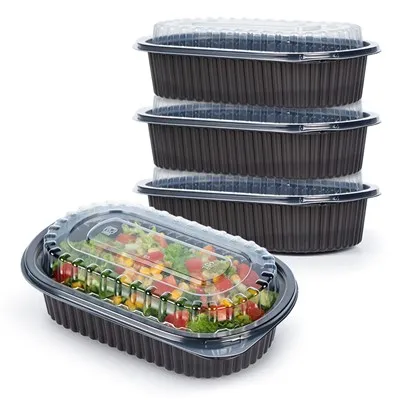
III. Cost Comparison: Why Thermoformed PP Dominates the Delivery Market
Cost is often the first consideration for restaurant operators.
Initial Tooling Investment
Injection molding requires precision steel molds.
Typical mold costs may range from:
Depending on:
- Number of compartments
- Lid design
- Structural complexity
- Production volume
Thermoforming molds are generally simpler and less expensive.
Typical costs:
For brands launching new packaging projects, thermoforming offers a lower entry barrier.
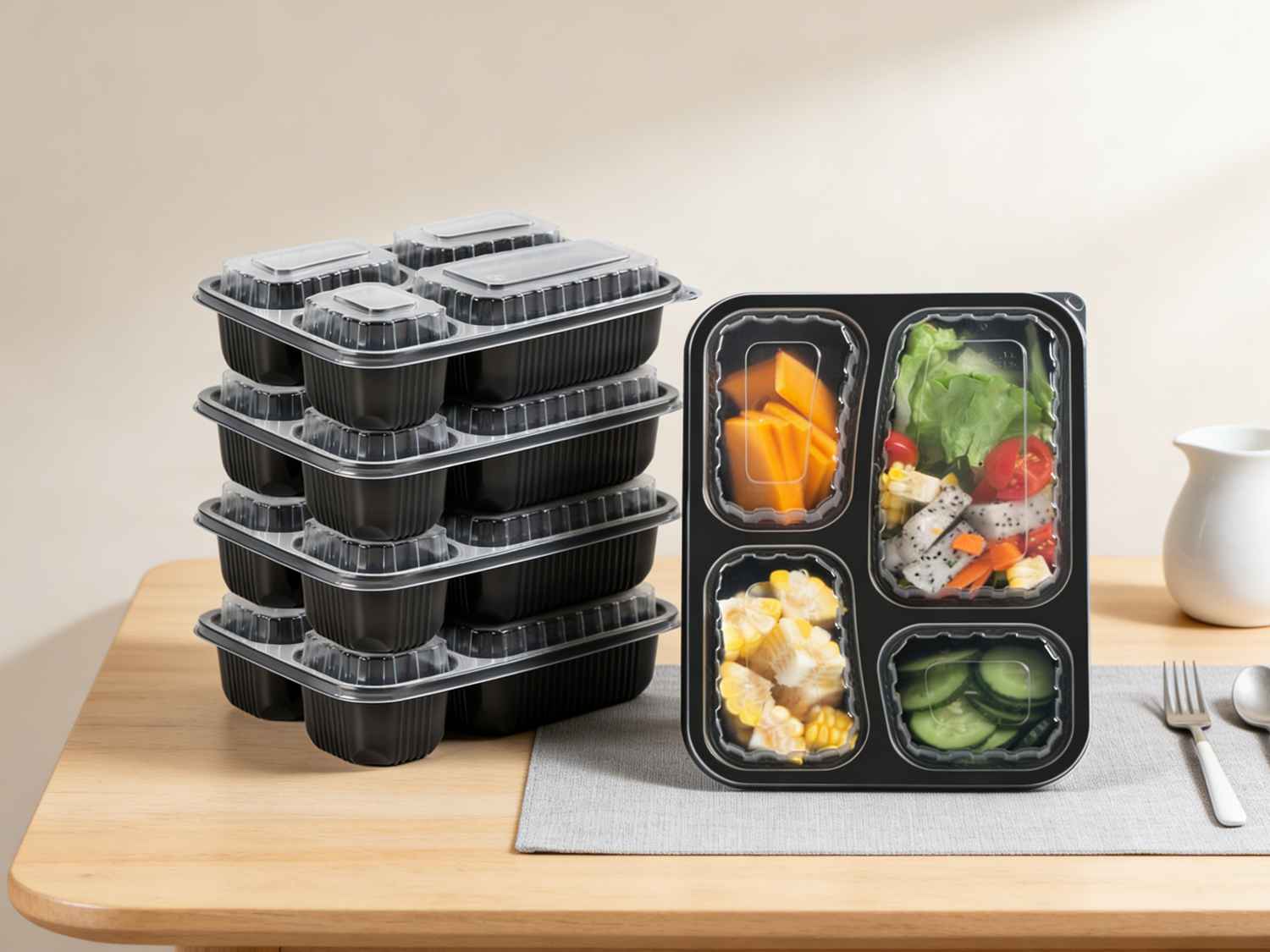
Material Consumption
Injection-molded containers use more PP material because thicker walls are required.
Typical weight comparison:
| Container Type | Average Weight |
|---|---|
| Injection Molded PP | 30–60g |
| Thermoformed PP | 15–40g |
Less material means lower production costs and reduced shipping expenses.
Unit Cost
Industry procurement data generally shows:
Thermoformed PP containers cost 10%–30% less than equivalent injection molded containers.
Cost advantages become even more significant in orders exceeding 100,000 units.
This is why food delivery platforms and quick-service restaurants frequently choose thermoformed PP packaging.
IV. Structural Strength Comparison
One of the biggest differences between injection molded and thermoformed PP take out packaging is strength.
Injection Molded PP Advantages
Because the material is compressed under high pressure during production, injection molded containers typically offer:
- Higher impact resistance
- Better compression strength
- Improved stackability
- Reduced deformation during transport
These characteristics are especially important for:
- Heavy meals
- Rice dishes
- Meal prep packaging
- Frozen products
Restaurants serving large portions often prefer injection-molded containers because they maintain their shape better.
Thermoformed PP Advantages
Although lighter, modern thermoformed PP technology has improved significantly.
Benefits include:
- Adequate strength for most delivery applications
- Lower shipping weight
- Better packaging efficiency
For sandwiches, salads, noodles, and light meals, thermoformed containers typically provide sufficient performance at a lower cost.
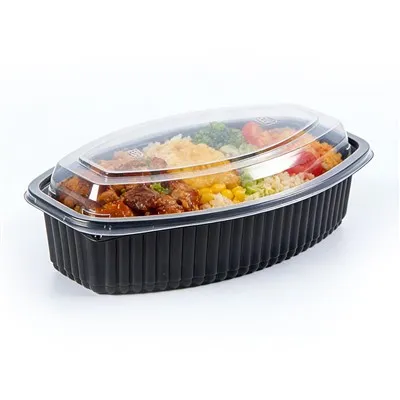
V. Heat Resistance and Food Safety Performance
Since both products use food-grade polypropylene, their thermal performance is very similar.
Temperature Range
Most food-grade PP packaging supports:
This makes both manufacturing methods suitable for:
- Hot meals
- Prepared foods
- Frozen foods
- Meal delivery
Food Safety Characteristics
Both injection-molded and thermoformed PP containers are typically:
- BPA-free
- Plasticizer-free
- Food-contact compliant
- Oil-resistant
- Acid-resistant
- Moisture-resistant
The manufacturing method does not significantly affect food safety when certified food-grade materials are used.
VI. Appearance and Brand Image: Where Injection Molded PP Excels
Packaging increasingly influences customer perception.
According to foodservice consumer surveys, packaging quality can affect perceived food quality and customer satisfaction.

Injection Molded PP Appearance
Advantages include:
- Sharper edges
- Premium surface finish
- Better lid fit
- More sophisticated designs
- Higher-end presentation
This makes injection-molded packaging attractive for:
- Premium restaurant brands
- Catering services
- Corporate meal programs
- Retail-ready food products
Thermoformed PP Appearance
Thermoformed packaging focuses on efficiency rather than luxury.
Advantages include:
- Clean appearance
- Lightweight construction
- Cost-effective branding
For most delivery-focused businesses, customers prioritize food quality and convenience over packaging aesthetics.
VII. Sustainability Comparison
Environmental considerations are becoming increasingly important.
Recyclability
Both injection-molded and thermoformed PP containers are recyclable.
According to circular economy reports:
- Global PP recycling rates have increased from approximately 23.3% to 29.6%.
- More municipalities now accept PP packaging in recycling streams.
Carbon Footprint Considerations
Thermoformed PP often uses less material per container.
Benefits include:
- Reduced raw material consumption
- Lower transportation emissions
- Reduced packaging weight
Injection-molded containers may last longer and can sometimes be reused multiple times before disposal.
Neither option is inherently unsustainable; responsible recycling infrastructure plays a larger role in environmental impact.
VIII. Welcome to Huizhou Yangrui Printing & Packaging Co., Ltd.

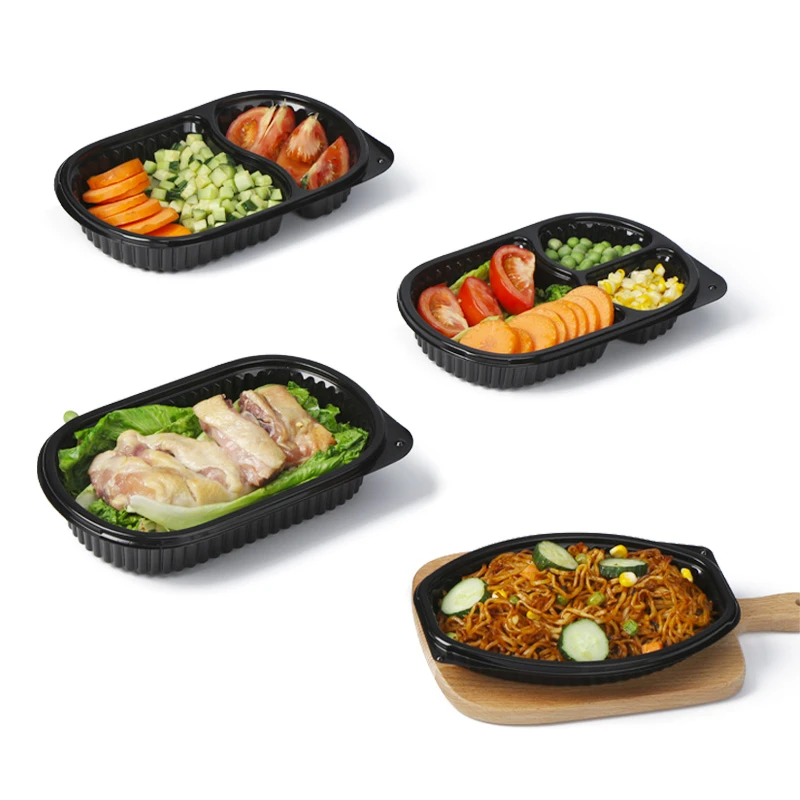
Huizhou Yangrui Printing & Packaging Co., Ltd. is a professional manufacturer specializing in thermoformed PP take out packaging and food-grade disposable food containers. With years of experience in food packaging production, the company focuses on providing cost-effective, microwave-safe, and food-safe packaging solutions for restaurants, food delivery businesses, food processors, and packaging distributors worldwide.
Unlike injection molding manufacturers, Yangrui specializes in thermoforming technology, a production process widely recognized for its efficiency, lightweight design, and suitability for large-volume food packaging applications. This specialization enables the company to offer competitive pricing while maintaining consistent product quality.
Our Main Product Range
Yangrui's product portfolio includes:
- PP thermoformed takeout containers
- Multi-compartment meal prep containers
- Microwave-safe disposable lunch boxes
- Black base food to go containers with clear lids
- Fresh food and ready-meal packaging
- Custom-designed food packaging solutions
- OEM and private-label packaging services
Why Thermoformed PP Packaging?
Thermoformed PP packaging has become one of the most widely used solutions in the foodservice industry because it offers:
- Lower production costs compared with many rigid packaging alternatives
- Lightweight construction that reduces shipping expenses
- Excellent heat resistance from -20°C to 120°C
- Microwave-safe performance
- Resistance to oils, sauces, and acidic foods
- High production efficiency for large-volume orders
These advantages make thermoformed PP containers particularly suitable for food delivery platforms, restaurant chains, supermarkets, and ready-meal manufacturers.
Manufacturing Strength
Yangrui operates modern thermoforming production lines designed for high-volume manufacturing and consistent quality control.
Key production advantages include:
- Food-grade PP raw materials
- BPA-free packaging solutions
- Custom mold development support
- Stable bulk production capacity
- Strict quality inspection procedures
- Export experience across North America, Europe, and Asia
Serving Global Food Packaging Markets
Today, Huizhou Yangrui supplies thermoformed PP food packaging solutions to customers in multiple industries, including:
- Restaurants and fast-food chains
- Food delivery operators
- Meal-prep businesses
- Frozen food manufacturers
- Wholesale packaging distributors
By focusing on thermoformed PP technology, Yangrui helps customers achieve the balance between packaging performance, operational efficiency, and cost control that modern foodservice businesses require.
IX. Which PP Takeout Packaging Is Right for Your Business?
Choose Injection Molded PP If You Need:
- ✓ Premium presentation
- ✓ Stronger structure
- ✓ Better stackability
- ✓ Higher perceived value
- ✓ Heavy meal applications
Choose Thermoformed PP If You Need:
- ✓ Lower packaging costs
- ✓ High-volume production
- ✓ Lightweight containers
- ✓ Fast market deployment
- ✓ Delivery-focused operations

X. Conclusion
The debate between injection molded PP and thermoformed PP take out packaging is not about which technology is superior overall. Instead, it is about selecting the right packaging solution for specific business goals.
Injection-molded PP containers deliver a premium appearance, superior strength, and enhanced durability, making them ideal for higher-value meal applications.
Thermoformed PP containers provide lower costs, lighter weight, and exceptional production efficiency, making them the preferred choice for many food delivery and quick-service restaurant operations.
For most businesses, the best packaging decision balances:
- Product protection
- Customer experience
- Packaging cost
- Operational efficiency
- Sustainability goals
As food delivery and prepared meal markets continue to grow globally, both injection-molded and thermoformed PP take out packaging will remain essential components of modern foodservice packaging strategies.
For most food delivery, restaurant takeout, and large-volume food packaging applications, thermoformed PP containers offer the best balance of cost, efficiency, and performance, which is why they remain the primary packaging solution manufactured by Huizhou Yangrui Printing & Packaging Co., Ltd.
