

I. Main Types of International Environmental Certifications
The need for evidence of sustainability is growing along with the global market for disposable paper coffee cups. From forests to landfills, international certifications offer uniform standards that guarantee these items don't damage the environment. These stamps of approval help businesses comply with strict requirements in areas like Europe, North America, and Asia by covering everything from the sourcing of raw materials to the disposal of end-of-life products.


FSC Certification
One of the most reputable systems for sustainable forestry in the world is the Forest Stewardship Council (FSC) certification. The FSC was founded in 1993 in response to concerns about deforestation and guarantees that the pulp used in disposable paper coffee cups originates from forests that are ethically managed. In other words, trees are harvested in a way that protects indigenous rights, maintains biodiversity, and permits natural regeneration. Suppliers must pass stringent independent third-party audits that follow the supply chain from the forest to the finished product in order to receive FSC certification. This accreditation ensures that the paperboard used in throwaway paper coffee cups isn't causing habitat degradation or illicit logging.
It is impossible to overestimate the importance of FSC for businesses. Disposable paper coffee cups with an FSC certification can fetch higher pricing in regions where eco-conscious consumers predominate, such as the United States and Europe. To reduce their environmental impact and improve their green image, large chains such as Starbucks have used FSC-certified cups in line with their sustainability objectives. Due to import restrictions on non-sustainable wood products, shipping disposable paper coffee cups to some countries may encounter difficulties without this certification.


PEFC Certification
The Programme for the Endorsement of Forest Certification (PEFC), another standard of sustainable forest management, supports the FSC. PEFC was established in 1999 with the goal of advancing sustainable practices through national certification programs that are customized for regional settings. PEFC accreditation for disposable paper coffee cups confirms that the wood pulp comes from traceable, lawfully obtained sources that promote the long-term health of forests. Regular audits, stakeholder engagements, and adherence to international norms, such as those set forth by the International Labor Organization, are among the requirements.
PEFC stands out because of its focus on small-scale forest owners, which makes it suitable for a variety of supply chains. Disposable paper coffee cups with this mark are preferred in food service businesses in Europe, where PEFC is especially robust. Studies demonstrate that PEFC-certified items can lower a company's carbon emissions by guaranteeing efficient resource use, and the certification's worldwide acceptance makes commerce easier. It's a crucial tool for exporters managing green goods preferences and levies.


BPI / EN13432 Certification
The European standard EN13432 and the Biodegradable Products Institute (BPI) are the gold standards for biodegradability and compostability. Products that can decompose in commercial composting facilities without leaving hazardous residues are certified by the U.S.-based BPI. This frequently entails substituting plant-based linings, such as polylactic acid (PLA), with conventional polyethylene (PE) in disposable paper coffee cups. Cups must biodegrade by 60% in six months under controlled conditions and disintegrate by at least 90% in ninety days in order to be eligible. These standards are mirrored in the EU counterpart, EN13432, which is implemented throughout all member states.
For disposable paper coffee cups promoted as "eco-friendly," these certifications are essential because they stop "greenwashing," or making false claims about sustainability. While EN13432 aids in the penetration of the European market, where single-use plastic prohibitions are driving demand for compostable alternatives, BPI-certified cups are widely used in zero-waste projects in North America. According to life-cycle studies, companies that implement these guidelines report a 40% reduction in their environmental effect through improved waste management.


OK Compost Certification
The OK Compost accreditation from TÜV Austria, which is available in both household and industrial versions, is another important participant. This label attests to the fact that disposable paper coffee cups may completely decompose in composting settings, leaving no dangerous microplastics behind. Lab testing for disintegration, biodegradation, and ecotoxicity is necessary to make sure the product improves soil rather than contaminates it. Its importance stems from consumer education-labels direct appropriate disposal, minimizing landfill overflow. In areas with stringent waste rules, such as Australia and parts of Asia, OK Compost complements existing certifications for international brands, making disposable paper coffee cups competitive.
Australian Standards (AS4736 and AS5810)
Australian standards for biodegradable materials are AS4736 (industrial compostable) and AS5810 (home compostable). With AS4736 requiring industrial facilities and AS5810 permitting backyard composting, these guarantee that disposable paper coffee cups decompose safely in composting systems. Third-party testing for compost quality and heavy metal absence is required. In the Asia-Pacific area, where composting infrastructure varies, these are essential. By utilizing these certified disposable paper coffee cups, businesses can capitalize on Australia's expanding eco-market and support the country's 2030 waste reduction targets.
II. Common Domestic and International Environmental Labels and Their Significance
Beyond core certifications, various labels from governments and organizations add layers of assurance. These not only verify material safety but also underscore a commitment to broader sustainability goals, influencing purchasing decisions worldwide.
China Environmental Label (Ten-Ring Certification)
The standard for eco-friendly items in China is the Ten-Ring Certification, which is managed by the Ministry of Ecology and Environment. It requires recyclable materials, non-toxic inks, and low-emission production for disposable paper coffee cups. From sourcing to disposal, the complete lifespan is covered by audits. It favors certified goods in government tenders and exports, making it extremely important in domestic markets. Ten-Ring-labeled throwaway paper coffee cups help firms stand out in cutthroat industries like fast food, as China pushes for a circular economy.
EU Ecolabel Certification
The EU Ecolabel, sometimes known as the "Flower" label, assesses a product's minimal environmental impact over its entire lifecycle. High recyclability, low energy consumption during production, and renewable sources are necessary for disposable paper coffee cups. Limits on chemicals and emissions with independent verification are among the requirements. In the EU, where laws like the Single-Use Plastics Directive promote eco-alternatives, this designation increases market access. Because consumers link EU Ecolabel disposable paper coffee cups with reliability and less pollution, businesses that use them frequently report increases in sales.
FDA Food Contact Safety Certification
For disposable paper coffee cups, the U.S. Food and Drug Administration (FDA) prioritizes safety over pure environmental considerations. It attests to the fact that materials won't contaminate hot beverages. Testing for migration restrictions under simulated use is part of compliance. It is impossible to export to the United States without FDA approval. By guaranteeing that throwaway paper coffee cups are safe for everyday use, it increases customer confidence and complements environmental certifications for a more comprehensive appeal.
ISO 22000 and FSSC 22000
ISO 22000 is an international standard for food safety management, applicable to disposable paper coffee cups through supply chain controls. It requires hazard analysis and preventive measures. FSSC 22000 builds on this, adding scheme-specific requirements for certification. These labels signify robust safety protocols, reducing risks in global trade. For food service, they ensure disposable paper coffee cups meet hygiene standards, enhancing brand reliability.
SGS Food Contact and BRC Global Standard
SGS certifies food contact materials for non-migration of toxins, with testing tailored to disposable paper coffee cups. BRC emphasizes quality and safety in packaging. Their significance: They provide third-party validation, aiding compliance in regulated markets and fostering consumer trust.
SMETA Ethical Audit
SMETA (Sedex Members Ethical Trade Audit) covers labor, health, safety, and environment. For disposable paper coffee cups, it ensures ethical manufacturing. It appeals to socially conscious buyers, combining ethics with eco-credentials.

III. How to Choose Truly Eco-Friendly Disposable Paper Coffee Cups
With so many options, distinguishing genuine eco-products from greenwashed ones is key. Here's a comprehensive guide to making informed choices.
Check the Label
Start by scanning for verifiable marks like FSC, BPI, or EU Ecolabel on disposable paper coffee cups. Avoid vague terms like "green" without backing-insist on certification numbers traceable online. This ensures authenticity and supports sustainable practices.
Inquire about the Materials
The lining matters: Traditional PE is durable but non-degradable, while PLA or water-based coatings offer better eco-profiles. Bagasse and bamboo fibers provide renewable alternatives. Understand that "biodegradable" isn't always "compostable"-look for BPI or EN13432 to confirm.
Choosing a Brand
Opt for brands with multiple certifications, as they invest in sustainability. Research their supply chains and customer reviews. Large retailers prioritize certified disposable paper coffee cups to meet corporate ESG goals.
Additional Considerations
Evaluate the full lifecycle-certified disposable paper coffee cups should minimize water and energy use. Consider local infrastructure; compostable cups shine where facilities exist.
Challenges in Selection
Beware of cost premiums and counterfeit labels. Educate yourself on evolving standards to avoid pitfalls.
IV. Yangrui's Advantages and Customer Value
In a market flooded with options, partnering with a certified manufacturer like Huizhou Yangrui Printing and Packaging Co., Ltd. (Yangrui) makes all the difference.
Environmentally Friendly Production Advantages
Yangrui employs renewable pulp and biodegradable coatings in its disposable paper coffee cups, backed by certifications like FSC and BPI. Their energy-efficient lines and high recycling rates cut emissions, helping clients achieve green targets.
Food Safety and International Certification Guarantees
With FDA, ISO9001, and more, Yangrui ensures disposable paper coffee cups are safe and compliant. Rigorous testing safeguards health, easing entry into U.S. and EU markets.
Customer Value and Brand Partnership Benefits
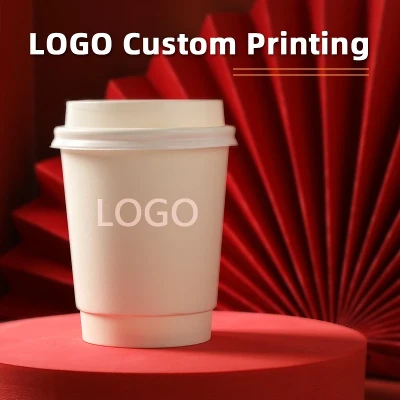
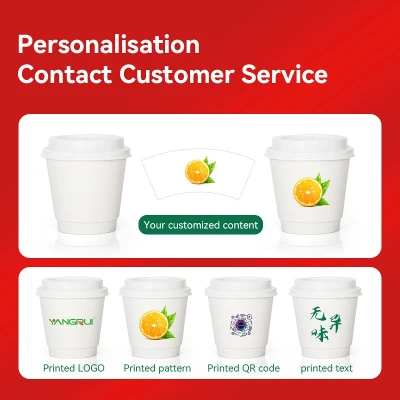
Yangrui offers customized, certified solutions that save on compliance costs. Their disposable paper coffee cups elevate brand images, driving loyalty in the green economy.

V. Emerging Trends and Future of Certifications
Looking ahead, certifications for disposable paper coffee cups are evolving with tech like blockchain for traceability. New standards may address microplastics and carbon neutrality. As regulations tighten-think EU's 2025 packaging rules-certified products will dominate.
Case Studies: Success Stories
Companies like Costa Coffee have switched to BPI-certified disposable paper coffee cups, slashing waste by 30%. Small cafes report 20% sales boosts from eco-labeling.
Benefits for Stakeholders
Consumers get peace of mind, businesses gain edges, and the planet benefits from reduced deforestation and pollution.


