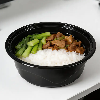
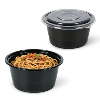
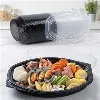
When it comes to choosing the best disposable food containers, both health and usability are key factors. With so many materials available, from plastic to biodegradable options, it can be tricky to determine which is best. Should you go for to go containers wholesale that are affordable and durable, or are biodegradable take out containers a better option for both health and sustainability? And what about recyclable food containers-do they really make a difference?
In this article, we'll break down the most common materials used in food containers, their health impact, and which options offer the best balance of convenience, safety, and eco-friendliness.
1. Common Materials Used in Disposable Food Containers
There are several types of materials used for to go containers wholesale, each with its own benefits and drawbacks. Let's explore the most common ones.
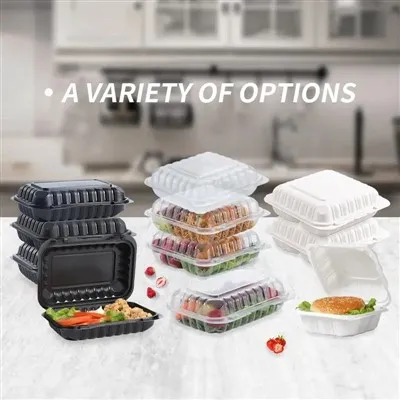 A. Plastic Containers (PET, PP, PS, PLA)
Plastic is one of the most widely used materials for food packaging. Different types of plastic offer varying levels of safety and recyclability:
- PET (Polyethylene Terephthalate) – Commonly used for clear takeout containers and drink bottles. It is recyclable but not heat-resistant.
- PP (Polypropylene) – A safer plastic option for food containers. It's microwave-safe, heat-resistant, and recyclable.
- PS (Polystyrene, also known as Styrofoam) – Often used for foam takeout containers, but it's not the best choice due to concerns over chemical leaching.
- PLA (Polylactic Acid) – A biodegradable plastic alternative made from corn starch, often used in biodegradable take out containers. While it's compostable under industrial conditions, it does not break down easily in natural environments.
Health Impact: PET and PP are safer choices, while PS (Styrofoam) should generally be avoided due to potential chemical release. PLA is a good eco-friendly alternative but requires proper composting.
B. Paper-Based Containers (With or Without Coating)
Paper containers are gaining popularity due to their eco-friendly appeal. However, some have plastic coatings, which affect their biodegradability.
- Uncoated paper – Fully biodegradable but not ideal for greasy or wet foods.
- PE-coated paper (Polyethylene-coated) – More resistant to moisture but not biodegradable.
- PLA-coated paper – A biodegradable alternative to PE-coated paper, commonly used in biodegradable take out containers.
- Health Impact: Uncoated or PLA-coated paper is safer and more sustainable than PE-coated options.
C. Bagasse (Sugarcane Fiber) Containers
Bagasse is a byproduct of sugarcane production, used to make sturdy biodegradable take out containers. These containers are:
- Compostable and biodegradable.
- Microwave-safe and heat-resistant.
- Free from harmful chemicals.
Health Impact: Bagasse containers are one of the safest and most eco-friendly options available today.

D. Aluminum Containers
Aluminum is commonly used for meal prep trays and foil containers. It's:
- Highly recyclable and reusable.
- Heat-resistant and oven-safe.
- Suitable for both hot and cold foods.
Health Impact: While aluminum itself is safe, acidic foods (like tomatoes or citrus) may cause slight metal leaching. Lined aluminum containers reduce this risk.
E. Bamboo and Wooden Containers
Bamboo and wooden containers are a premium eco-friendly option, often used for high-end food packaging. They are:
- Biodegradable and compostable.
- Naturally antimicrobial.
- Durable and stylish.
Health Impact: Bamboo and wooden containers are some of the healthiest and most sustainable choices.
2. What is the Best Material for Health?
When prioritizing health, the safest materials for to go containers wholesale are:
- Bagasse (Sugarcane Fiber) – No chemicals, biodegradable, and heat-resistant.
- PLA-coated Paper or Uncoated Paper – A safer alternative to plastic-coated paper.
- PP (Polypropylene) Plastic – Among plastics, PP is the safest and microwave-safe.
- Bamboo/Wooden Containers – Naturally safe and eco-friendly.
- Aluminum – Safe but should be used carefully with acidic foods.
Avoid:
- Styrofoam (PS) – Contains harmful chemicals and is not eco-friendly.
- Non-recyclable Plastics – Some plastics may release chemicals when heated.

3. What is the Best Material for Usability?
While health is important, usability also plays a big role in choosing the right recyclable food containers or biodegradable take out containers. The best materials for different needs include:
- For hot foods: Bagasse, aluminum, or PP plastic.
- For liquids or greasy foods: PLA-coated paper, PP plastic, or aluminum.
- For microwave use: PP plastic, bagasse, or PLA-coated paper.
- For durability and spill resistance: PP plastic or aluminum.
4. The Best Choice for Sustainability: Biodegradable and Recyclable Containers
If you want biodegradable take out containers that are also good for the environment, the best options are:
- Bagasse (Sugarcane Fiber) – Fully compostable and biodegradable.
- PLA-coated Paper – Eco-friendly alternative to plastic-coated paper.
- Bamboo/Wooden Containers – Sustainable and biodegradable.
- Aluminum Containers – Highly recyclable and reusable.
- PP Plastic (if recycled properly) – Safe for food but should be recycled.
By choosing recyclable food containers, businesses can reduce waste and promote sustainability.
Conclusion: The Best Disposable Food Container Material
For businesses and consumers looking for to go containers wholesale, the best choice depends on their priorities:
- Best for Health: Bagasse, bamboo, PLA-coated paper.
- Best for Convenience: PP plastic, aluminum.
- Best for Sustainability: Biodegradable materials like bagasse, PLA, and bamboo.
By selecting the right material, businesses can provide safe, convenient, and eco-friendly food packaging that meets consumer demands.
Where to Buy High-Quality Disposable Food Containers?
Huizhou Yangrui Printing & Packaging Co., Ltd. specializes in to go containers wholesale, offering a variety of biodegradable take out containers and recyclable food containers. Whether you need eco-friendly packaging or cost-effective bulk orders, we have the perfect solution.
Contact us at sales@packagingbag5.com or call +8618086443226 to find the best containers for your business.
References
- Jones, A., & Martin, L. (2022). Sustainable Food Packaging: Innovations and Trends. Journal of Environmental Packaging, 34(2), 45-62.
- Wang, Y., & Chen, T. (2021). Health Risks of Food Packaging Materials: A Comparative Study. Food Safety Journal, 28(3), 80-95.
- Patel, R. (2023). Biodegradable vs. Recyclable Food Containers: Which is Better? Green Manufacturing Review, 18(4), 120-135.
- Lee, S. (2020). The Role of Paper-Based Packaging in Reducing Plastic Waste. Journal of Sustainable Packaging, 15(1), 99-115.