Plastic food containers are widely popular in daily life due to their lightweight, durability, and cost-effectiveness. However, the quality and prices of plastic containers on the market vary significantly, particularly best freezer containers for meals, and meal prep containers microwave safe. This article will explore how the principle of "you get what you pay for" applies when selecting plastic food containers, helping consumers make informed decisions.
What Are Plastic To Go Food Containers?
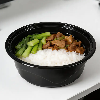
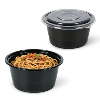
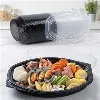
Plastic to go food containers are used for storing, transporting, and displaying food. They are typically made from plastic materials such as polypropylene (PP), polyethylene (PE), or polyethylene terephthalate (PET). These containers are commonly used in households, the foodservice industry, and food processing businesses due to their convenience and affordability.
What Is The Principle of "You Get What You Pay For"?
The principle of "you get what you pay for" is an age-old business concept that suggests the price of a product is usually proportional to its quality and performance. This principle is just as applicable when purchasing plastic food containers. While it might be tempting to go for the cheapest option, understanding how price correlates with quality can help guide consumers toward making smarter choices.
Key Features of High-Quality Plastic Food Containers
Material Safety
High-quality plastic food containers are made from food-grade materials and are free of harmful substances like Bisphenol A (BPA). BPA-free containers ensure that food stored inside remains safe for consumption, preventing harmful chemicals from leaching into the food. So expensive best freezer containers for meals are normal.
Durability
Premium plastic containers are more durable and resistant to wear and tear. They are less likely to crack, warp, or degrade over time. These containers are designed to withstand frequent use, making them a better long-term investment compared to cheaper alternatives.
Sealing Performance
The ability of a container to seal tightly is crucial in preserving the freshness of food and preventing leaks. High-quality containers come with reliable sealing mechanisms that ensure airtight or watertight closures, keeping food fresh for longer periods.
Transparency
A key advantage of transparent containers is that they allow easy visibility of the contents inside. This is particularly useful when storing leftovers or pre-portioned meals, as you can quickly identify the food without opening the container.
Temperature Resistance
High-quality plastic food containers are designed to withstand a range of temperatures. They are suitable for refrigeration, freezing, and microwaving, making them versatile for various food storage needs. For instance, containers labeled as "microwave-safe" are engineered to handle the heat without warping or releasing harmful substances.
Smart Design
Well-designed containers feature stackability, ease of transport, and user-friendly features such as microwave-safe lids and easy-to-clean surfaces. These design elements enhance the convenience and functionality of the containers.
The Relationship Between Price and Quality
Low Price Range
Low-priced plastic containers often use non-food-grade plastics that may not be safe for long-term food storage. These containers tend to have poorer durability, lower sealing efficiency, and are more likely to break or leak under stress. They are also less likely to be microwave- or freezer-safe, which limits their versatility.
Mid-Range Price
Mid-range containers strike a balance between price and quality. These products are typically made from food-grade plastics, offer decent durability, and are suitable for general food storage. They may not offer the highest performance in all areas, but they are perfectly adequate for everyday home use.
High Price Range
Premium plastic containers are made from top-quality materials and are engineered for superior durability, sealing, and temperature resistance. These containers are built to last, making them ideal for both professional and long-term use. They may also feature advanced designs for specific purposes, such as meal prep or freezing.
What are Tips for Selecting Plastic Food Containers?
Determine Your Needs
Start by identifying the intended use for the containers-whether for home use, meal prepping, or professional kitchens. Consider whether you'll need containers that are microwave-safe, freezer-safe, or suitable for hot foods.
Check the Material
Always ensure the container is made from food-grade plastic. Avoid containers made from harmful chemicals such as BPA or other potentially toxic substances. Look for BPA-free labels or certifications that indicate safety for food storage.
Examine the Details
Pay attention to the design features, such as airtight seals, lid construction, and edge reinforcement. Check whether the containers are leak-proof and if the lids fit securely to prevent spills.
Balance Price and Quality
While budget considerations are important, don't compromise too much on quality. It's better to invest in higher-quality containers that will last longer and offer better performance, such as those labeled as "best freezer containers for meals" or "meal prep containers microwave safe."
Where to Buy Microwave Safe Meal Prep Containers ?
Huizhou Yangrui offers a variety of plastic to go containers tailored for meal prepping, available in different sizes, shapes, and materials. Our takeaway PP containers are made with high-quality, eco-friendly materials that are both functional and sustainable.
Consider buying from reputable manufacturers that provide quality assurance, such as Huizhou Yangrui Printing and Packaging Co., Ltd., which specializes in plastic meal prep containers. Whether you're looking for custom designs or standard cups, ensure you're buying from a trusted source to guarantee the quality and durability of the product.
For more information or to place an order, you can contact us via WhatsApp: +8613829931267 or Email: sales@packagingbag5.com
Conclusion
When choosing plastic food containers, it is essential to consider factors such as material safety, durability, sealing performance, transparency, temperature resistance, and overall design. The principle of "you get what you pay for" serves as a reminder that spending a bit more on high-quality containers can provide better protection for your food and ensure long-term durability. By understanding these key factors and balancing them with your budget, you can make an informed choice that meets your specific food storage needs. Investing in quality plastic food containers, such as those designed for meal prep or freezer storage, is an investment in convenience, safety, and durability.
References
- Smith, A. (2023). The Impact of BPA-Free Plastics on Food Safety. Journal of Food Safety and Quality, 12(4), 456-465.
- Jones, B. (2022). A Comprehensive Guide to Plastic Food Containers: Materials and Best Practices. Food Packaging Research, 8(2), 123-134.
- FDA. (2023). Food Grade Plastics: Safety Standards and Regulations. U.S. Food and Drug Administration.
- Consumer Reports. (2023). Best Freezer Containers for Meal Prep: A Buyer's Guide. Consumer Reports.