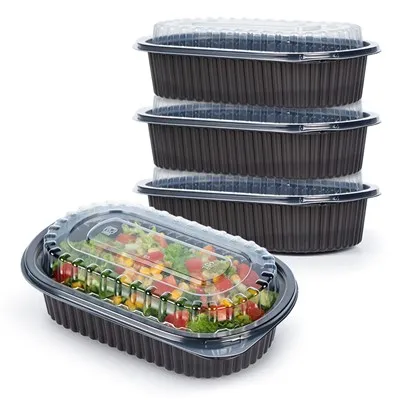
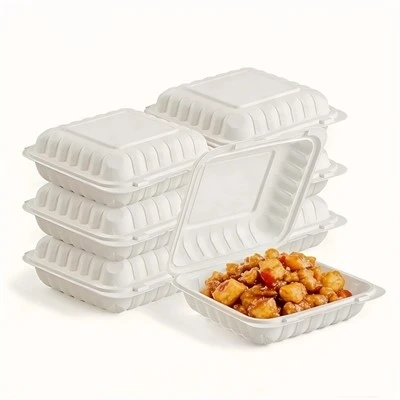
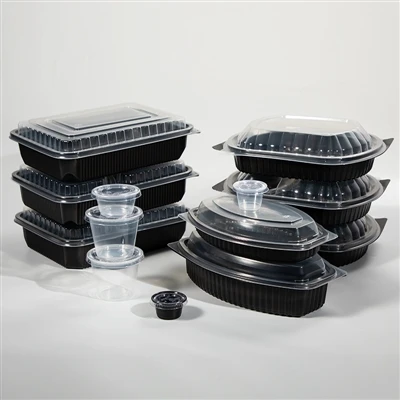
2025 has truly earned its reputation as the "Year of Accelerated Plastic Bans" around the world, with nations ramping up their efforts to curb the environmental damage caused by disposable items like the single-use plastic to-go lunch box.
As governments enforce tougher rules on food packaging and tableware, the to-go lunch box sector is facing a massive overhaul. This in-depth analysis dives into the plastic ban policies across key regions, examines their effects on to-go lunch box manufacturers and restaurant operators, and highlights emerging alternatives and industry directions for the to-go lunch box market.
Overview of Global Plastic Bans
International policy places a strong emphasis on environmental sustainability, which is driving plastic restrictions. A mainstay of daily meal delivery and takeout, the single-use plastic to-go lunch box is currently the subject of strict regulation in many nations. The goal of these actions is to reduce the amount of plastic waste that has been clogging landfills and oceans for many years. Governments are promoting a change to more environmentally friendly solutions that can be recycled or degrade without causing harm to the environment by gradually replacing the conventional plastic to-go lunch box.

Europe
Expanding the Single-Use Plastics Directive with strict targets for reduction and recycled content

North America
State-by-state approach in the US, with nationwide standards in Canada

Asia
Accelerated implementation with China's updated "Plastic Restriction Order" leading the way
-
Europe
- 50% reduction target by end of 2025
- 25% recycled material requirement
- EN 13432 certification required
Key countries: France, Germany, Italy, Spain
The Single-Use Plastics Directive was first introduced by the European Union in 2021, but it will be significantly expanded in 2025, especially for food service items like the to-go lunch box. By the end of this year, the EU plans to have cut the total amount of single-use plastics in half and mandate that some containers contain at least 25% recycled material.
Countries that have already banned plastic to-go lunch boxes in favor of biodegradable ones, like France and Germany, are leading the way. New regulations under the Packaging and Packaging Waste Regulation will forbid the use of single-use plastic wraps and films for grouping items, with implementation starting in 2025.
-


-
North America
- 12+ states with EPS foam bans
- ASTM D6400 certification required
- Canada-wide ban by December 2025
Key states: California, New York, Oregon, Delaware
State by state, plastic prohibitions on to-go lunch boxes are being implemented in the US, resulting in a hodgepodge of laws that pose a challenge to national producers. In 2024, California and New York took the lead in banning single-use foam plastic lunchboxes for takeout, with full enforcement in 2025.
The Single-Use Plastics Prohibition Regulations in Canada will prohibit non-recyclable plastic to-go lunch boxes nationwide beginning in 2025. Over the next ten years, an estimated 1.3 million tons of plastic garbage will be eliminated when the production, importation, and exportation of such items are completely banned by December 2025.
-
Asia
- 30% reduction target in China
- Foam lunchbox ban in India
- Local material promotion
Key countries: China, India, Thailand, Vietnam
Asia's plastic bans are accelerating, with China at the helm through its updated "Plastic Restriction Order." By 2025, cities like Beijing and Shanghai mandate biodegradable materials for the to-go lunch box in the catering sector, reducing non-degradable single-use items by 30% in takeout services.
India is amending its food packaging laws in March 2025 to forbid some single-use items, such as foam lunchboxes for taking on the go. Vietnam and Thailand are also enforcing stricter regulations, with Thailand encouraging banana leaf substitutes and Indonesia promoting recycled content through extended producer responsibility legislation.
Impact on Manufacturers and Catering Companies
The 2025 plastic bans are reshaping the to-go lunch box landscape, affecting everything from production costs to consumer preferences. While challenges abound, savvy businesses are turning these regulations into a competitive edge.
Supply Chain Reshaping
The cost of raw materials for the to-go lunch box has increased by 15–30% due to the surge in demand for eco-materials like PLA, pulp, and bagasse. Manufacturers are investing in new machinery to handle the special qualities of these commodities.
Long-term advantages like improved brand recognition and government incentives balance out short-term cost increases. For instance, using a compostable lunchbox can result in tax benefits in jurisdictions like California.
Strategies for Catering Brands
Catering businesses are adopting biodegradable to-go lunch boxes in collaboration with eco-friendly suppliers, not only to comply but also to improve their reputation. Chains like Starbucks and McDonald's have implemented "green takeout" programs using certified compostable lunchboxes.
This trend has spurred "green catering certifications," where businesses earn badges for using eco-friendly to-go lunch boxes, differentiating themselves in a crowded market.
Impact on the Export Market
Exporters face stricter barriers, with Europe and America requiring EN 13432 or ASTM D6400 certifications for the to-go lunch box. Non-compliant products risk rejection, as seen in recent order cancellations from non-certified suppliers.
On the flip side, certified to-go lunch boxes open new markets, with companies leveraging these standards to forge international deals. The economic trade-offs include job shifts in manufacturing but overall growth in sustainable sectors.


Alternative Solutions and Market Trends
Plastic bans are fueling innovation in the to-go lunch box space, with biodegradable options leading the charge. The market is rapidly evolving to meet new regulatory requirements while maintaining functionality and affordability.

PLA-Based Materials
Derived from corn starch, offering good clarity and heat resistance up to 110°C.
● Compostable ● Microwave-safe

Pulp & Paper
Made from recycled paper waste, excellent for cold foods and dry items.
● Recyclable ● Cost-effective

Bagasse
Sugarcane byproduct, sturdy and heat-resistant for hot foods.
● Fully compostable ● Heat-resistant
Technological Innovation
Innovations are enhancing the to-go lunch box, with composites like PLA-PBAT blends providing heat resistance up to 200°F and better sealing to prevent leaks. Smart packaging trends include QR codes on the to-go lunch box for tracking compostability or nutritional info.
These advancements address drawbacks like moisture sensitivity, expanding use in food delivery applications that were previously challenging for eco-friendly alternatives.
Customization Trend
Customization is booming, with brands opting for tailored to-go lunch boxes featuring logos, sizes, and compartments. This boosts recognition and user experience, as seen in personalized eco-to-go lunch boxes for events. Manufacturers offering one-stop services are gaining traction in this competitive arena.
Products Description
In this era of bans, Yangrui stands out as a leader in eco-friendly to-go lunch boxes, blending expertise with sustainability to help clients navigate the changing regulatory landscape.
International Certifications
- ISO 9001
- FDA Approved
- EC
- LFGB
- SGS Verified
Customization Services
- Custom Sizes & Shapes
- Brand Printing Options
- Material Selection
- Compartment Designs
- Mold Development
Customer Value
- Regulatory Compliance
- Green Brand Enhancement
- Stable Supply Chain
- Competitive Pricing
- Technical Support
The 2025 single-use plastic to-go lunch box bans represent a pivotal moment for the food service industry, driving necessary change toward more sustainable practices. While challenges exist in terms of cost and adaptation, the shift presents significant opportunities for innovation and market differentiation.
By partnering with experienced manufacturers like Yangrui, businesses can navigate these regulatory changes effectively, ensuring compliance while maintaining quality and customer satisfaction. The future of food packaging lies in sustainable solutions that balance environmental responsibility with practical functionality.