Introduction
Takeout clear food containers, a critical component of the modern foodservice industry, are facing unprecedented pressure on their pricing structures. In March 2026, escalating geopolitical conflicts in the Middle East triggered severe volatility in international crude oil prices. Brent crude surged by nearly 18.5%, while WTI crude futures skyrocketed by over 30%, reaching $118.78 per barrel-the highest level since June 2022. This seemingly distant energy crisis, however, directly impacts the cost of every takeout container we use daily through complex industrial chain transmission mechanisms.
Takeout clear food containers are primarily manufactured from plastic materials such as Polypropylene (PP), Polyethylene Terephthalate (PET), and Polystyrene (PS). Among these, PP dominates with approximately 55% market share due to its excellent heat resistance and low cost, while PET has increased its penetration in premium beverage packaging to 28%, driven by its superior transparency. The production of these plastic materials is highly dependent on the petrochemical supply chain. Every fluctuation in crude oil prices ultimately reflects in the final product pricing through the transmission chain: Crude Oil → Naphtha → Olefins → Plastic Resins.

This report provides an in-depth analysis of the comprehensive impact of rising crude oil prices on the takeout clear food container industry. It examines the transmission mechanisms of raw material costs, changes in finished product prices, transportation logistics costs, and production equipment investments, revealing the full extent of this energy crisis's impact on the entire value chain. The report also offers strategic recommendations for industry stakeholders.
I. Direct Impact of Rising Crude Oil Prices on Raw Material Costs for Clear Food Containers
1.1 Severe Volatility in Plastic Raw Material Prices

The rise in crude oil prices, transmitted through the petrochemical value chain, has significantly impacted the primary raw materials used in clear takeout containers. According to industry data, for every $10 per barrel increase in crude oil prices, plastic resin production costs rise by approximately RMB 300–500 per metric ton. This transmission mechanism was fully validated in the March 2026 market performance, with average prices for mainstream plastic materials such as PE, PP, and PVC in China increasing by 12%, and core varieties like LLDPE and Polypropylene seeing gains exceeding 10.7%.
Price increases have manifested differently across the primary materials used for clear food containers:
PP (Polypropylene): the dominant material, had an average domestic price of RMB 8,250 per metric ton in 2024, an increase of approximately 4.6% from 2023. During the March 2026 price surge, PP futures rose by over 6% within just two trading days, and spot prices for raffia-grade PP in East China increased by RMB 410 per metric ton over two days.
PET (Polyethylene Terephthalate): the preferred choice for clear food containers, has experienced even more dramatic price fluctuations. According to front-line industry suppliers, prices for PET and PP raw materials recently increased by approximately RMB 2,000 per metric ton within a short period, representing a gain of nearly 25%. For the cost-sensitive food service industry, this magnitude of increase creates immense pressure.
PS (Polystyrene): While holding a smaller share of the clear container market, has also been affected by rising crude oil prices. The raw material for PS, styrene, is produced through the catalytic reforming of naphtha. Rising crude oil prices directly increase styrene production costs, which are subsequently passed through to PS pricing.
1.2 Analysis of the Clear Food Container Industry Chain
 The transmission of raw material price increases for clear takeout containers follows a clear industrial chain pathway: Crude Oil → Naphtha → Monomers (Ethylene, Propylene, Styrene) → Plastics (PE, PP, PS, ABS). Each link in this transmission chain incorporates cost-plus effects, amplifying crude oil price volatility at each stage.
Within this transmission chain, naphtha, a direct product of crude oil refining, serves as a critical node for the entire plastics industry. Naphtha accounts for over 60% of ethylene production costs. When the Strait of Hormuz faces disruptions, limiting naphtha exports from the Middle East, Northeast Asian buyers are forced to source from alternative suppliers at premium prices, directly driving up costs for basic petrochemicals like ethylene and propylene.
Ethylene and propylene, the core monomers for plastic production, have price changes that directly determine the costs of downstream plastic products. The costs of basic chemical products are highly positively correlated with crude oil prices. Rising oil prices directly increase their production costs. However, with slow recovery in downstream end-user demand, companies struggle to pass the full cost burden through the chain, leading to compressed gross margins.
It is important to note that different plastic varieties exhibit varying sensitivities to crude oil prices. According to statistics, crude oil accounts for over 70% of the cost of polyethylene (PE) and polypropylene (PP). In contrast, other plastics like PVC, due to different production processes, have relatively lower sensitivity to crude oil prices. For example, PVC produced via the calcium carbide method has costs primarily dependent on coal and electricity prices, with no direct link to international oil prices.
1.3 Amplifying Effect of Geopolitical Factors
Beyond normal cost transmission, the March 2026 surge in plastic raw material prices was significantly amplified by geopolitical factors. The Middle East, as a global energy hub, relies on the Strait of Hormuz-controlled by Iran-for approximately 30% of the world's seaborne oil trade. When this critical waterway faces risks, the vulnerability of the global oil supply chain becomes immediately apparent.
According to market analysis, the escalating US-Iran conflict impacts the PE/PP market through three pathways: cost transmission, supply disruption, and sentiment premium. The impact of supply disruption is particularly significant. Nearly 200 container ships were congested near the Strait of Hormuz, with more than half of the world's top ten shipping companies rerouting vessels. This led to a tight supply for critical raw materials like naphtha and ethylene.
Sentiment premium further amplified price volatility. Market participants' concerns over supply chain disruptions led to panic buying and stockpiling behavior. These irrational factors caused plastic raw material price increases to exceed the magnitude justified by actual cost increases. Shipping companies like CMA CGM directly imposed "emergency conflict surcharges," adding $2,000 to $4,000 per container, costs ultimately passed through to plastic raw material prices.

II. Impact of Rising Crude Oil Prices on Finished Product Pricing for Clear Food Containers
2.1 Trends in Finished Product Prices for Clear Takeout Containers

The impact of rising crude oil prices on finished takeout clear food container prices exhibits a clear transmission effect. According to market data, the industry's weighted average ex-factory unit price in 2025 was RMB 2.86 per unit, a 5.5% increase from RMB 2.71 per unit in 2024. This reflects an industry trend toward products with higher added value, such as high-barrier, scratch-resistant, and stackable designs.
Price changes exhibit structural characteristics across different product types:
Basic PP plastic containers, such as hinged lid lunch boxes from manufacturers like Huizhou Yangrui, are priced at approximately RMB 0.3–0.6 per unit, accounting for over 60% of market share. Due to their relatively low technological content, price increases for these products are primarily driven by raw material costs, resulting in relatively moderate increases.
Premium biodegradable materials, such as PLA (polylactic acid) containers, have unit costs 2–3 times higher than traditional plastics due to higher technological costs. They are primarily used by premium light meal brands. Notably, the price trend for bio-based materials like PLA runs counter to that of traditional plastics. In 2025, the average market price for PLA was RMB 28,000 per metric ton, a 26.3% decrease from the historical peak of RMB 38,000 per metric ton in 2020. This downward price trend positions bio-based materials with a stronger competitive advantage in the face of rising traditional plastic prices.
From an international market perspective, price differences are even more pronounced. The export price for PP clear food containers from China ranges from $0.04–0.25 per unit, while comparable products in the U.S. market are priced at $0.3–0.4 per unit. These differences reflect variations in cost structures, consumer purchasing power, and competitive dynamics across different markets.
2.2 Time Lag in Cost Transmission
 There is a significant time lag between crude oil price increases and finished clear food container price adjustments. According to industry analysis, this transmission process typically requires 1–3 months. This lag stems from several factors:
- First, inventory buffering. Manufacturing companies typically maintain raw material inventory, which can temporarily cushion the impact of price increases. Some companies had prepared approximately one month's worth of inventory before the price surge to fulfill existing orders. This inventory strategy buys companies valuable adjustment time.
- Second, contractual constraints. Many companies have long-term supply contracts with customers. These contracts often contain price adjustment clauses specifying conditions and procedures for price changes. Companies must negotiate with customers and make adjustments within the contractual framework, a process that takes time.
- Third, market competition. In a highly competitive market environment, companies cannot immediately pass the full cost increase to consumers. They must consider factors such as market share and customer acceptance. Companies typically adopt gradual price increase strategies, absorbing cost pressures through incremental adjustments over multiple steps.
2.3 Variations in Price Transmission Across Different Application Scenarios
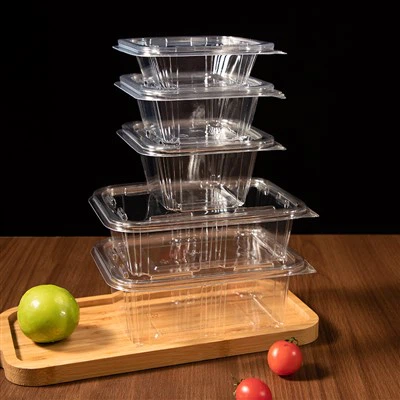 The transmission of crude oil price increases to clear takeout container prices varies significantly across different application scenarios. According to market research, major application scenarios include food delivery, restaurant dine-in, takeaway packaging, and convenience store retail. Each scenario exhibits different price sensitivity and transmission mechanisms.
The food delivery scenario is the most price-sensitive. Due to intense competition in the food delivery market, platform commissions and delivery costs already consume a significant portion of revenue. Increases in container prices are difficult to fully pass on to consumers. As one restaurant owner noted, when the cost of takeout containers increased by RMB 0.50 per unit, dine-in takeaway prices only increased by RMB 2.00, but the same meal on delivery platforms increased directly by RMB 5.00. As the owner stated, "If I didn't raise prices, I simply couldn't sustain the business." This differentiated pricing strategy reflects varying cost structures across different scenarios.
Price transmission in the restaurant dine-in takeaway scenario is relatively moderate. Consumers are less price-sensitive for dine-in takeaway packaging. Businesses can absorb costs by incorporating them into meal bundle pricing or by charging a separate RMB 0.5–1.0 packaging fee per takeout order. Additionally, businesses can promote strategies like "dine-in specials" to encourage on-premise consumption, reducing the usage of single-use containers.
The convenience store retail scenario presents the most complex price transmission dynamics. Products in this channel typically require attractive packaging and brand support, with higher quality requirements. Businesses can partially offset raw material cost increases through product upgrades, packaging innovations, and enhanced value propositions.
III. Cascading Impact of Rising Crude Oil Prices on Related Costs
3.1 Substantial Increase in Transportation and Logistics Costs
The impact of rising crude oil prices on transportation and logistics costs is immediate and direct. According to industry data, fuel costs account for approximately 30% of total operating costs for logistics and transportation companies. A 15% increase in oil prices results in approximately a 4.5% increase in courier companies' transportation costs. This cost increase is transmitted to the final price of clear takeout containers through multiple channels.
First, a surge in maritime shipping costs. Due to disruptions near the Strait of Hormuz, vessels are forced to reroute around the Cape of Good Hope, adding 10–14 days to voyage times and doubling shipping costs. Major shipping lines such as MSC and Maersk have announced rate increases, with Europe-bound freight rates rising from $2,140 per TEU to $2,640 per TEU. For companies dependent on imported raw materials or exported products, this cost increase is substantial.

Second, increases in road transportation costs. For a large logistics truck carrying a full load of 50 tons, fuel costs per 100 kilometers increase by approximately RMB 4.4 due to higher oil prices. On a 470-kilometer trunk route from Nanyang to Luohe, fuel costs surged from RMB 720–750 to RMB 1,050, an increase of over 40%. This cost increase directly impacts both raw material procurement and finished product distribution expenses.
Third, soaring air freight costs. While clear takeout containers are primarily transported by sea and road, air freight remains necessary for urgent orders or high-value products. Rising international oil prices directly increase jet fuel costs, significantly raising air transportation expenses.
Increased logistics costs trigger other cascading effects. With higher transportation costs, companies must reassess their supply chain configurations, considering strategies such as local sourcing and establishing regional distribution centers. Additionally, extended transportation times force companies to increase safety stock levels, further increasing inventory carrying costs.
3.2 Changes in Production Equipment Investment and Maintenance Costs
The impact of rising crude oil prices on production equipment manifests in three areas: equipment procurement costs, energy consumption costs, and maintenance costs.
Regarding equipment procurement costs, production equipment for clear takeout containers primarily includes injection molding machines, thermoforming machines, and blow molding machines. The manufacturing of this equipment requires significant quantities of steel, plastics, and other materials, all of which have prices closely correlated with crude oil. Furthermore, many high-end machines are imported, making them subject to exchange rate fluctuations and increased transportation costs, further driving up procurement prices.
 Regarding energy consumption costs, plastics processing is an energy-intensive industry, requiring substantial electricity and heat during production. For example, injection molding consumes significant energy. While some advanced processes can reduce unit product electricity consumption by 30–60%, potentially saving RMB 300,000–500,000 annually in electricity costs, rising oil prices also increase electricity costs, diminishing this energy cost advantage.
Regarding maintenance costs, consumables such as lubricants and hydraulic fluids are petroleum derivatives. Rising oil prices directly increase the cost of these supplies. Additionally, as equipment operating costs increase, companies may extend equipment service life, which can paradoxically lead to higher failure rates and maintenance expenses.
Notably, some companies are adopting technological upgrades to address rising energy costs. These measures include using energy-efficient equipment (servo motors, LED lighting), utilizing renewable energy sources (solar, wind), and optimizing production processes to reduce energy consumption. While requiring upfront investment, these measures can significantly reduce long-term energy costs.
3.3 Increases in Warehousing and Inventory Costs
Rising crude oil prices impact warehousing and inventory costs through two primary pathways: increased energy costs for storage facilities and higher capital costs for inventory.
Regarding storage facility energy costs, storing clear takeout containers often requires temperature-controlled environments, particularly for certain specialty materials. Rising oil prices increase the cost of natural gas, electricity, and other energy sources, significantly raising warehousing operating expenses. According to market data, energy costs account for 15–20% of warehousing operating costs. With a 15% increase in oil prices, this cost component could increase by 2–3 percentage points.
Regarding inventory capital costs, rising raw material prices require companies to commit more working capital to maintain normal production operations. For a medium-sized manufacturer producing 10 million containers monthly with a 30-day raw material inventory cycle, a 25% increase in raw material prices would require additional working capital of potentially several million RMB.
Furthermore, increased supply chain uncertainty forces companies to maintain higher safety stock levels to guard against potential disruptions. The situation where nearly 200 container ships were congested near the Strait of Hormuz heightens concerns about supply chain stability, directly leading to increased inventory levels.
Increased inventory costs also manifest as higher inventory risk. With increased volatility in plastic raw material prices, the risk of inventory devaluation rises correspondingly. If companies misjudge the market and purchase large quantities at price peaks, subsequent price declines could result in significant losses. Therefore, companies require more sophisticated inventory management and price forecasting capabilities.


IV. Structural Adjustments and Response Strategies Across the Industry Chain
4.1 Innovation in Corporate Cost Control Strategies

Faced with cost pressures from rising crude oil prices, companies in the takeout clear container industry have adopted diverse response strategies. These strategies can be summarized in a three-tiered logic: "Short-term Buffering, Mid-term Passing Through, Long-term Upgrading."
For short-term buffering, companies primarily rely on inventory management and price locking. Some companies had prepared approximately one month's inventory before the price surge to fulfill existing orders. Additionally, companies enter into semi-annual supply agreements with suppliers, locking prices within stable ranges. For example, a company in Dongguan successfully contained costs within acceptable ranges through such agreements. While this strategy requires more working capital, it buys companies valuable adjustment time.
For mid-term passing through, companies actively communicate with customers, sharing cost pressures through negotiation. For new orders, companies incorporate price increases to offset pressure. Simultaneously, companies optimize product mix, increasing the proportion of high-value-added products, enhancing their ability to pass through cost increases through product upgrades.
For long-term upgrading, companies increase investment in technological innovation and product development. By developing modified plastics or composite materials to replace traditional materials, they improve product performance and add value. For example, some companies are developing biodegradable clear containers. While currently more expensive, these products align with environmental trends and offer promising market prospects.
Additionally, companies are reducing costs through supply chain optimization. This includes establishing long-term relationships with raw material suppliers, bulk purchasing for better pricing, and utilizing digital tools for accurate demand forecasting and inventory management. Some companies are also exploring local sourcing strategies, reducing dependence on imported raw materials to lower transportation costs and exchange rate risks.
4.2 Development Opportunities for Alternative Materials
Rising crude oil prices present unprecedented opportunities for the development of alternative materials. Bio-based materials, as important substitutes for petroleum-based plastics, are rapidly closing the cost gap.
PLA (Polylactic Acid), the most prominent bio-based material, has already seen significant cost reductions. Unit costs for PLA have decreased from approximately RMB 28,000 per metric ton in 2018 to RMB 19,000 per metric ton in 2024, a reduction of 32%. Projections indicate that by 2030, through mass production and process optimization, PLA costs could fall to RMB 14,000 per metric ton, and PBAT to RMB 13,000 per metric ton, narrowing the cost gap with traditional plastics to within 30%.
More importantly, from a lifecycle cost perspective, bio-based materials offer unique advantages. In-depth analysis of PLA biodegradable containers in food delivery scenarios reveals that, despite higher apparent raw material costs, total lifecycle costs can actually be lower than those of petroleum-based PP containers. While PLA container raw material costs are RMB 0.48 per unit, compared to RMB 0.30 for PP, when considering downstream costs such as recycling and disposal, the comprehensive cost becomes more competitive.


V. Conclusions and Outlook
5.1 Summary of Impacts
The impact of rising crude oil prices on the clear takeout food container industry is comprehensive and far-reaching. No segment of the value chain is immune-from raw material costs to finished product prices, from transportation logistics to production equipment, from warehousing inventory to the entire industry ecosystem.
Regarding raw material costs, for every $10 per barrel increase in crude oil prices, plastic resin production costs rise by RMB 300–500 per metric ton. In the March 2026 price surge, prices for major raw materials like PP and PET increased by 25%. This cost increase is rapidly transmitted through the chain: Crude Oil → Naphtha → Olefins → Plastic Resins. Amplified by geopolitical factors, actual price increases exceeded theoretical calculations.

Regarding finished product prices, the industry's weighted average ex-factory unit price increased by 5.5% in 2025, but price transmission varied significantly across application scenarios. The food delivery scenario is most price-sensitive, followed by restaurant dine-in takeaway, with convenience store retail presenting the most complex dynamics. Companies are responding through gradual price increases, product upgrades, and cost passing-through strategies, yet significant pressure remains.
Regarding related costs, transportation and logistics costs have seen the most dramatic increases, with maritime shipping costs doubling and road transportation costs increasing by over 40%. Energy consumption costs for production equipment and maintenance costs have also risen accordingly. Warehousing and inventory costs have increased not only due to higher energy prices but also due to safety stock increases necessitated by supply chain uncertainty.

5.2 Recommendations for Stakeholders
Based on the above analysis, we offer the following recommendations for stakeholders in the takeout clear food container industry:
For Manufacturing Companies:
- Establish diversified raw material procurement systems to reduce dependence on single suppliers and regions
- Increase investment in technological innovation to develop high-value-added products and enhance cost pass-through capabilities
- Explore alternative materials and new processes to gradually reduce dependence on petroleum-based raw materials
- Optimize supply chain management to improve efficiency and reduce costs through digitalization
For Food Service Companies:
- Optimize container usage strategies, reducing single-use container consumption through initiatives like "dine-in specials."
- Establish long-term relationships with suppliers to reduce costs through bulk purchasing
- Consider using eco-friendly products like biodegradable containers-while currently more expensive, they align with development trends
- Strengthen cost management to offset the impact of rising costs through refined operations
For Investors:
- Focus on leading companies with technological advantages and cost control capabilities
- Pay attention to investment opportunities in emerging fields such as bio-based materials and smart manufacturing
- Exercise caution regarding traditional companies overly dependent on oil prices
- Monitor policy directions, particularly the impact of environmental regulations on the industry
The takeout clear food container industry stands at a critical juncture of transformation and development. While rising crude oil prices create significant cost pressures, they also drive technological progress and structural adjustment. Only those companies capable of adapting to change and embracing innovation will maintain their competitive edge in this transformation. With the maturation of alternative material technologies, the promotion of circular economy models, and the promotion of green manufacturing techniques, we have reason to believe that the clear takeout food container industry will move toward a more sustainable, environmentally friendly, and efficient future.