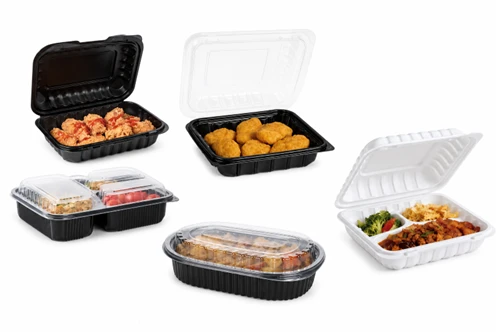
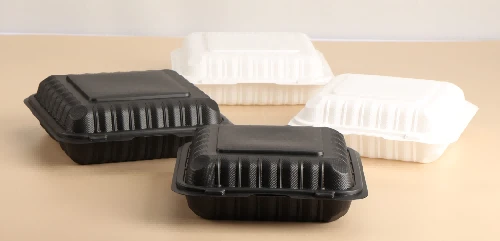
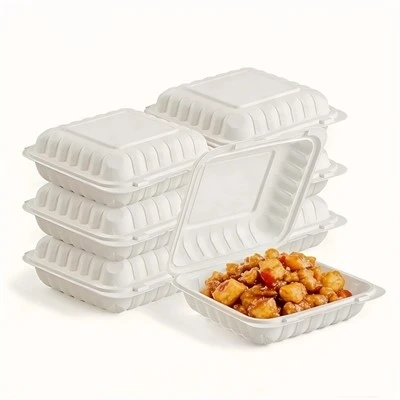
Disposable containers are becoming a standard for eateries, food trucks, and catering businesses all throughout the United States in the rapidly expanding food delivery and takeout industry. Purchasing Chinese to-go boxes wholesale is essential to maintaining efficient operations and controlling expenses, whether you're operating a busy Chinese restaurant in New York or a fusion establishment in Los Angeles. However, why do prices differ so much amongst suppliers? It's not just about the bottom line; branding, manufacturing technology, shipping logistics, and material quality all play significant roles. This in-depth analysis divides it into four primary categories: production techniques, transportation and packaging, raw materials, and brand personalization. By understanding these, business owners can make smarter buying decisions and avoid overpaying for subpar products in the Chinese to-go boxes wholesale market.
1. Raw Material Differences Are a Key Factor in Price Fluctuations
At the heart of any disposable container's cost is what it's made from. The choice of plastics or eco-friendly alternatives can swing prices dramatically, especially when shopping for Chinese to-go boxes wholesale. Suppliers source these materials globally, and fluctuations in supply chains add another layer of complexity.
Cost Differences of Different Plastic Raw Materials

The Trend of Environmentally Friendly Materials in Chinese To-Go Boxes Wholesale
The Chinese to-go box wholesale market is changing as a result of consumers' demands for greener options and the move toward sustainable materials. Particularly in environmentally conscious markets like California or Oregon, biodegradable alternatives like PLA or bamboo-fiber composites are becoming more popular. These materials decompose more quickly in composting facilities, which reduces landfill waste and attracts companies looking to highlight their environmental credentials. The problem is that making these calls for more expensive, specialized machinery and higher-quality inputs.
For instance, some suppliers combine PLA with plant fibers or starches to make hybrid boxes that are environmentally friendly and strong. This invention is in line with worldwide trends, such as state-level laws on single-use items in the US or the EU's ban on plastic. Manufacturers who invest in these technologies in the Chinese to-go box wholesale market typically charge a premium-think 20% to 40% more-but it can improve a restaurant's reputation. Just by promoting "eco-friendly packaging" on their menu, a takeout restaurant might draw in more Gen Z and millennial clients. To avoid greenwashing, buyers should confirm third-party certifications as not all "green" claims are created equal.
Material Supply Chain and International Oil Price Fluctuations

Oil prices, which are linked to the global plastics supply chain, can vary greatly as a result of changes in the economy or geopolitics. Costs for polymers like PP and PET rise in tandem with crude oil prices, which has a direct effect on the Chinese to-go boxes wholesale pricing. For American importers, this entails keeping an eye on WTI or Brent crude indexes to forecast price increases.
The mix is further complicated by regional variations. Due to their ability to source PP from nearby petrochemical facilities, Chinese manufacturers frequently have an advantage in maintaining stable prices. However, tariffs and shipping delays can drive up the cost of imported materials, such as premium PLA from the U.S. or Europe. This was made clear by the COVID-19 aftermath, where supply chain disruptions caused some price increases of 50%. Additionally, currency exchange rates are important; a stronger dollar may result in lower wholesale prices for Chinese to-go boxes for American consumers, while a weaker dollar has the opposite effect. Astute buyers protect themselves from this by diversifying their Asian suppliers or securing long-term contracts.
2. Production Processes and Equipment Technology Determine Product Costs
Beyond materials, how these boxes are made matters a ton. Advanced tech can streamline operations but requires big upfront investments, explaining why some Chinese to-go boxes wholesale deals seem like steals while others feel pricey.


Differences in Mold Precision and Molding Processes
The unsung heroes of manufacturing are molds. High-precision ones that are made of sturdy steels guarantee leak-proof seals and elegant designs that stack neatly. Multi-cavity molds increase efficiency in Chinese to-go box wholesale by producing dozens of units per cycle. However, creating these can cost thousands of dollars, which is then passed on to customers in the form of higher unit costs.
Basic alloys used in less expensive molds may result in uneven shapes or jagged edges-imagine boxes that don't close correctly and spill sauce all over the place. While thermoforming for thinner designs can reduce costs for high-volume runs, injection molding is the standard. Precision engineering is a must for custom shapes, such as the famous Chinese to-go boxes wholesale in the pagoda style. Prototypes are produced more quickly by manufacturers using CAD software and CNC machining, but small shops that rely on manual adjustments frequently undercut on price at the expense of quality.

Advantages of Automated Production Lines in Chinese To-Go Boxes Wholesale
Automation is revolutionary. Reputable factories use robotic arms for packing, cooling, and injection, which can reduce labor costs by as much as 70%. Brands that use Japanese Toshiba or German Kiefel machines, for example, achieve incredibly precise results, guaranteeing that every box satisfies specifications. For Chinese to-go box wholesale, this is essential because regularity results in fewer returns and more satisfied customers.
Although the initial setup may cost millions, it eventually reduces the cost per box, making it perfect for large orders. Smaller businesses that continue to use semi-manual lines provide cheaper prices, but they also have slower turnaround times and more defects. Automated suppliers are more competitive in the U.S. market, where just-in-time inventory requires speed. In order to add value without significantly raising costs, they also incorporate quality checks, such as vision systems that detect defects in real time.
Hidden Costs Due to Differences in Quality Control Standards
It costs money to be of high quality. In order to ensure food contact safety, factories that hold ISO 9001, FDA, or SGS certifications invest in stringent testing, such as drop tests, heat resistance inspections, and migration studies. These guidelines guarantee that Chinese to-go boxes wholesale won't contaminate food or break down under duress.
Uncertified businesses may choose to forego this, offering extremely low costs at the risk of lawsuits or recalls. One faulty batch might permanently harm a restaurant chain's reputation. Rework and refunds are examples of hidden expenses; certified suppliers reduce these to justify their low price. Always consider the entire cost of ownership, not just the sticker price, when placing a competitive bid for wholesale Chinese to-go boxes.

3. The Combined Impact of Packaging, Transportation, and Order Size
Even after production, external factors like how boxes are shipped and ordered influence the final tally for Chinese to-go boxes wholesale.
The Impact of Wholesale Order Quantity on Unit Price
The key is to buy in bulk. In order to spread out fixed costs, suppliers frequently tier prices: 1,000 units may cost $0.20 each, but 10,000 drop to $0.15. This economies-of-scale impact is particularly noticeable for Chinese to-go boxes wholesale; larger runs maximize material consumption and machine time.
Demand should be anticipated by restaurants; seasonal increases, such as those that occur during holidays, call for larger orders. Different Chinese vendors have different minimum order quantities (MOQs); some start at 5,000, while others are more accommodating to smaller American buyers. Discounts can be obtained by negotiating based on volume, but if you overbuy, be mindful of storage expenses.



Transportation Costs and Geographical Differences
Customs, interior transportation, and ocean freight are all involved in shipping from China to the United States. Depending on routes and gasoline rates, a 40-foot container of Chinese to-go boxes wholesale may cost between $5,000 and $10,000. Compared to West Coast hubs like Los Angeles, East Coast ports like New York impose distance penalties.
Section 301 tariffs may increase the price of some plastics by 25%. In order to reduce lead times from months to days, astute suppliers use foreign warehouses located in states like Texas or Florida. Costs are also influenced by exchange rates and oil volatility; a 10% increase in gasoline prices has an impact on logistics. Air freight for samples increases costs but expedites market access for wholesale sustainable Chinese to-go boxes.
Hidden Costs of Packaging and Storage Methods
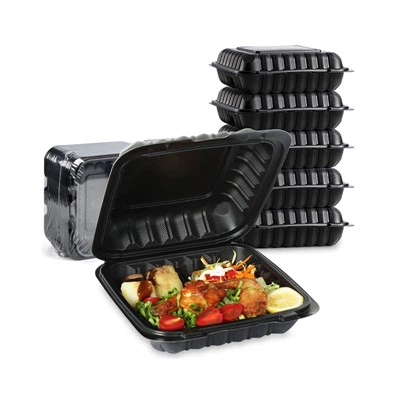
It concerns how boxes are packed. Stackable designs save freight per unit by saving container space. Particularly for maritime travel, moisture-proof liners or corrugated containers guard against humidity-related damage during transit. Branded sleeves and other custom packaging increase expenses while maintaining integrity. This reduces breakage for wholesale long-distance Chinese to-go boxes-imagine 5% loss rates compared to 1% with premium packing. Compact nesting reduces warehouse costs, which is advantageous for American distributors managing inventory.


4. Price Increase Due to Brand Premium and Customization Demand
Finally, intangibles like branding elevate prices in the Chinese to-go boxes wholesale arena.
Custom Printing, Logo Design, and Exclusive Mold Costs
Customization is profitable. A silk-screen or heat-transfer logo could cost an extra $0.02 per box, but it would cost more for intricate multi-color prints. The development of exclusive molds for distinctive designs, such as the wire-handled classics, can cost $5,000 when spread out across huge batches. This personalization increases brand remember in Chinese to-go boxes wholesale; a dim sum spot's branding on each box is free advertising. High-end chains make investments here, willing to pay more to stand out from the competition.
Added Value from Brand Influence
Because they are trusted, reputable brands attract higher prices. They lower buyer risk by providing guarantees, prompt responses, and reliable quality. Names with international reach offer supply chain visibility through applications or portals in Chinese to-go box wholesale. Smaller players undercut but struggle with consistency. Long-term brand value translates into loyalty-restaurants avoid the trouble of switching by sticking with reputable suppliers.
Market Positioning and Customer Group Differences
Price is determined by positioning. While fast-casual restaurants focus on inexpensive fundamentals, luxury restaurants demand high-end textures and finishes. Suppliers customize their offers; narrower walls are more affordable, while thicker walls are more upmarket. Chinese to-go boxes wholesale prices range from $0.10 economy units to $0.50 custom eco ones as a result of this segmentation. Navigating this is made easier by knowing your specialization.


A variety of factors contribute to pricing variations in Chinese to-go boxes at wholesale prices. Buyers can find agreements that strike a balance between cost and quality by considering materials, processes, logistics, and branding. Whether you're a chain or a little mom-and-pop, making wise decisions results in increased profits and satisfied consumers.