

1. Why Isn't Focusing Solely on BPA Enough?
BPA is well-known in to-go containers, and many people assume that BPA-free containers are safe. However, there are actually more risks associated with plastic to-go containers. Excessive focus on BPA often leads to overlooking other common harmful substances.
BPA Is Well-Known, But It's Not the Only Problem
BPA is commonly found in plastic products and is well-known for its potential to disrupt hormones, particularly in children. Many countries have already implemented BPA restrictions, leading many to-go containers to be labeled "BPA-free." However, the problem is that BPA isn't the only risk in plastic to-go containers. Other substances, such as phthalates, styrene, and formaldehyde, may also be present, and these substances can migrate into food, especially when exposed to high temperatures or oily foods.
Other Common Risks in Plastic To-Go Containers
Plastic to-go containers also contain some chemicals that are often overlooked. For example, phthalates make plastics more flexible but may affect human hormone balance; styrene, a residue in polystyrene, may pose a carcinogenic risk; and formaldehyde residues, which some to-go containers release in trace amounts when heated. These can all enter food when using plastic to-go containers, especially with hot soups and fried foods.
Consumers Often Lack Awareness
Many people buy to-go containers solely for BPA-free content, assuming they're safe. However, food safety shouldn't be solely focused on BPA; a comprehensive approach is required. Whether disposable or reusable plastic to-go containers, improper use, such as heating them at high temperatures or storing greasy foods, can increase the likelihood of chemicals leaching into food. Therefore, it's important to develop a comprehensive safety perspective, not just a focus on BPA.


2. Common Risky Substances in Plastic To-Go Containers
 Different to-go containers are made of different materials and may pose different risks. Understanding these common issues can help you be more informed when purchasing to-go containers.
Phthalates
Phthalates make plastics more flexible. Common uses include making cups or to-go containers less likely to crack. These substances can have a certain impact on children's growth because they interfere with the body's hormone system. Some cheaper plastic to-go containers or cups may contain them. Long-term use of these products may pose health risks. When purchasing plastic products, it is recommended to pay special attention to whether they are food-grade to effectively avoid these substances.
Styrene
Styrene is commonly found in polystyrene (PS) to-go containers. It is harmless to our health when it does not come into contact with high temperatures or oily foods. However, once it comes into contact with these types of foods, styrene will leach out and may pose a risk of cancer and negatively impact the nervous system. Although foam to-go containers are inexpensive and convenient, they are not suitable for storing hot foods from a health perspective.
Residual Formaldehyde and Other Additives
Some plastics use formaldehyde resins during production, which may release some formaldehyde when exposed to heat. Formaldehyde has a distinct odor and is highly harmful to the body. Antioxidants, lubricants, and pigments may also be used during production, which can pose a fatal risk to the body if exposed to them for a long time. Reputable manufacturers strictly control the use of these substances, but cheaper products on the market may still contain these potential hazards.


3. Risk Differences Between Different To-Go Containers
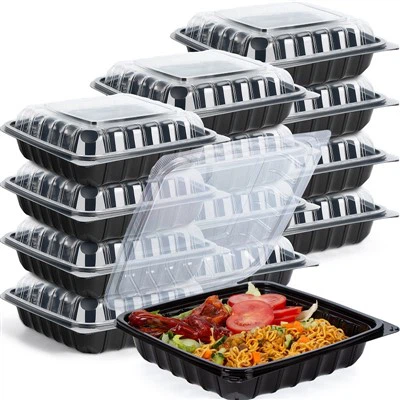
 to-go containers vary in material and present different risks. Some are suitable for hot food, while others are only for cold dishes. Mismatching these can lead to safety issues.
Disposable Plastic To-Go Containers
Disposable to-go containers are the most commonly used, lightweight, and inexpensive, making them a popular choice for takeout. However, some low-quality containers may contain phthalates or styrene, which can easily migrate into food when used to hold hot soup or fried foods. While disposable plastic to-go containers are convenient, they should be used with caution in the long term, especially when reheating disposable products.
Reusable To-Go Containers
Reusable to-go containers are becoming increasingly popular, reducing waste and being more environmentally friendly. However, over time, if not thoroughly cleaned or frequently microwaved, chemicals can gradually migrate out. This is particularly true with low-quality reusable to-go containers. Therefore, it is best to choose food-grade PP or certified materials, pay attention to cleaning procedures, and avoid using the same container for a variety of food types over a long period of time.
Clamshell To-Go Containers
Clamshell containers are common in fast food and takeout. While their design is convenient, the risks involved vary depending on the situation. PS clamshell to-go containers tend to release styrene at high temperatures, making them less suitable for hot foods. PET containers are more suitable for cold meals, but can still warp under high temperatures. When choosing a container, carefully consider its intended use, such as whether it can be microwaved or used for hot soup, as these can easily lead to problems.


4. How to Choose Safer To-Go Containers?
To enjoy peace of mind, choose to-go containers carefully. Whether for home use or catering, there are some useful reference standards.
Choose Certified Products
to-go containers with international certifications offer greater assurance of safety. Certifications like FDA, SGS, and LFGB indicate that the materials used have undergone rigorous testing. Purchasing certified plastic to-go containers or reusable to-go containers not only reduces potential risks but also avoids subsequent trouble caused by quality issues.

Choose Safer Materials
Safety varies significantly depending on the material. PP (polypropylene) is a relatively reliable material that withstands high temperatures and is suitable for microwave heating. PLA (polylactic acid) and paper pulp to-go containers are more environmentally friendly and biodegradable. For clamshell to-go containers, it's best to choose PP or environmentally friendly materials over cheaper foam boxes. This is both safe and environmentally friendly.
Both Businesses and Consumers Share Responsibility
Food safety isn't a one-step solution. Companies need to reduce the use of harmful additives during production and strictly control materials and processes. Consumers should also be mindful of proper use, such as avoiding microwave-safe plastic to-go containers for extended periods or using them to store greasy or scalding food. Manufacturers like Yangrui, which hold FDA, ISO9001, and SGS certifications, use food-grade materials such as PP, PET, and PLA, and utilize German KIEFEL machinery for a safer and more reliable production process. For customers, this not only ensures the quality of their to-go containers but also helps restaurant brands enhance their image and earn consumer trust.


Where to Buy?
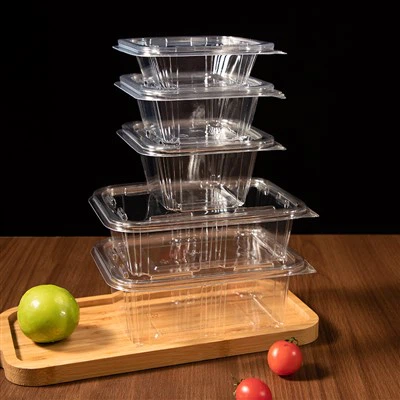
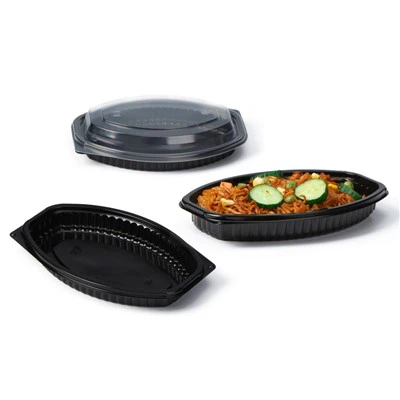
Yangrui provides plastic to-go containers, reusable to-go containers, and clamshell to-go containers in various specifications.
Contact information:
Email: sales@packagingbag5.com
Tel: +86 180 8644 3226


References
- European Food Safety Authority (EFSA). "Safety assessment of BPA and phthalates in food contact materials."
- World Health Organization (WHO). "Styrene in Drinking-water: Background document for development of WHO Guidelines for Drinking-water Quality."
- U.S. Food & Drug Administration (FDA). "Food Contact Materials Regulations and Guidance."
- Scientific American. "Beyond BPA: What other chemicals lurk in plastics?"
