

1. Why Should We Pay Attention to the High-Temperature Resistance of Plastic To-Go Containers?
Contemporary more and more people have high requirements for plastic lunch box, they want to microwave the food inside the plastic lunch box, but the problem that comes along with it is that the lunch box must be high temperature resistant, if it is not resistant to high temperature, then it may be deformed or even harmful to the human body.


High Temperature Heating and Food Safety
Plastics that are heated, if they contain BPA, will release harmful substances that can affect human health if these lunch boxes are used for a long period of time. Even if the bottom of the lunch box says plastic to-go containers microwave safe, it may not be safe in the case of bad raw materials.
Common Misconceptions
People who are not familiar with plastic to-go containers microwave safe may think that as long as there is a "microwave safe" sign, they can be heated. In fact, these symbols only mean that they can be heated for a short period of time, but not for a long period of time or at high temperatures. Especially since some unscrupulous merchants will falsify these marks, it is a good idea to ask for a test report when purchasing large quantities of food containers.


2. Heat Resistance of Plastic Materials
The heat resistance of different plastics varies a lot, so you should know their performance before choosing the right lunch box.
PP (Polypropylene)
PP is a frequent guest of takeaway and reusable lunch boxes, and can withstand high temperatures of about 120℃; microwave heating is not a problem. It is lightweight, unbreakable, and does not easily release harmful substances. Many food-grade plastic to-go containers microwave safe are made of PP, which is safer.
PET (Polyethylene Terephthalate)
PET is commonly used in transparent beverage cups, salad boxes, and heat-resistant temperature range is only 60 ~ 70 ℃. It is easy to be deformed in a microwave oven and may release harmful ingredients. It is suitable for cold food, but not suitable for microwave-safe plastic to-go containers.


PS (Polystyrene)
The heat resistance of PS is poor; it may be deformed at 80℃, and when heated, it will release styrene monomer, which is harmful to health. This material is more suitable for disposable cold food containers and is definitely not recommended as a plastic to-go container microwave-safe.
PLA (Polylactic Acid) and Modified Materials
PLA is an environmentally friendly material made from corn starch, etc., but the heat resistance temperature is only about 55℃, and it softens quickly at high temperatures. However, it can be made into more heat-resistant containers by improving the formula. Some environmentally friendly plastic to-go containers are made from modified PLA, but they are a little more expensive.


3. How Can I Tell if a Lunch Box Can Withstand Temperatures Above 100°C?
Learning how to recognize the heat resistance of lunch boxes can help avoid problems when heating.
Look for the Logo at the Bottom
The food safety mark (knife and fork design), heat-resistant temperature, and microwave symbol will be printed on the bottom of a proper lunch box. If it says "heat-resistant 120℃" or has a microwave oven pattern, it means it may be a qualified plastic to-go containers microwave safe.
Read the Instructions
When you buy containers in bulk, especially when you buy in bulk from a restaurant, make sure you ask the merchant to provide you with the instruction manual and test report. It will state the material, heat-resistant temperature, and whether it is microwave safe. This way, you can be sure that it is really microwave safe and not just a randomly printed logo.
Do a Simple Test
Fill the containers with water and microwave them for 3 minutes to see if they are deformed or leaking. If the heated lunch box is intact, with no odor, then it can basically be used without fear. Caterers can also use this method when choosing plastic to-go containers microwave-safe.

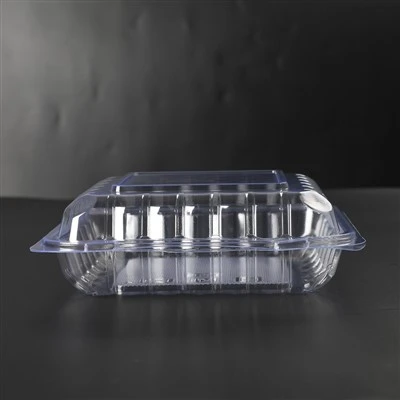
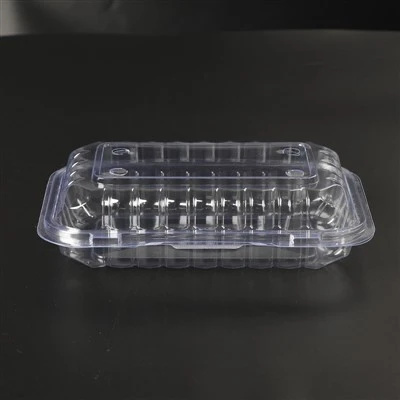

4. Suggestions on Purchasing Heat-Resistant Lunch Boxes for Catering Enterprises

For restaurants and takeaway brands, choosing the right lunch box is not only a matter of food safety, but it can also affect brand reputation.
Choose Products with Safety Certificates
Prioritize plastic to-go containers that have passed FDA, LFGB, SGS certifications, etc. These certifications indicate that the containers have gone through stringent heat-resistant and food safety tests.
Choose the Material According to the Usage Scenario
PP is the most suitable material for fast food takeaways; in-flight meals should be lightweight, pressure-resistant, and heat-resistant; hot soups and hot meals should be made in well-sealed, heat-resistant microwave safe to go containers so that they won't be easily spilled when being transported.
Balance Cost and Quality
Consider the price when purchasing wholesale, but don't just go cheap. Reliable suppliers can provide safe and inexpensive plastic to-go containers microwave safe, which can ensure food safety and control costs.
Find Professional Suppliers for Long-Term Cooperation
Stable suppliers can not only guarantee the supply of goods, but also, according to your needs to do customization, such as printing a logo on the lunch box, so that the brand is more recognizable; Yangrui can do this. This can not only use good plastic to go containers microwave safe, but also enhance the brand image.


Where to Buy Plastic To-go Containers Microwave-safe?
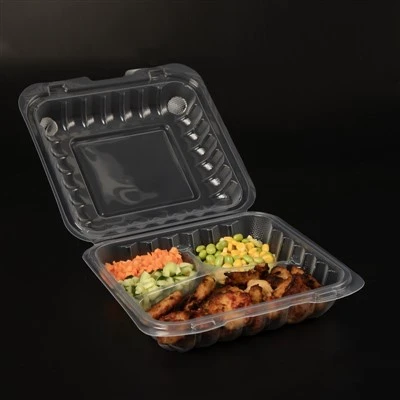
Huizhou Yangrui Printing and Packaging Co., Ltd. has been manufacturing plastic to-go containers since 2014, specializing in the production of high-quality, heat-resistant, food-safety-certified plastic lunch boxes. We have advanced production equipment, and our materials are ISO9001, FDA, LFGB, and SGS certified, ensuring they can withstand high temperatures without compromising food safety.
Contact information:
Email: sales@packagingbag5.com
Tel: +86 180 8644 3226


References
- U.S. Food and Drug Administration (FDA) – Food Contact Material Safety Guidelines

- European Food Safety Authority (EFSA) – Plastic Food Packaging Safety Assessment
- International Organization for Standardization (ISO) – ISO 22000 Food Safety Management System
- Smith, J. & Wang, L. (2023) – "Microwave Heating and Food Packaging Safety Research," Journal of Food Science and Technology
- SGS Testing Group – Material Testing Standards for Microwave-Safe Lunch Boxes
