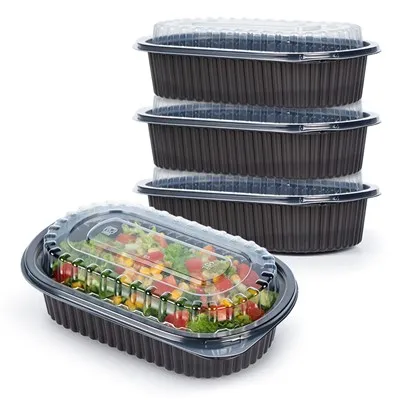
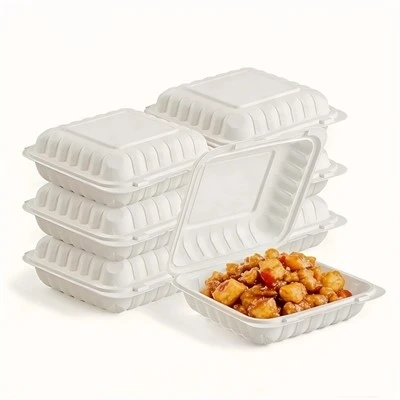
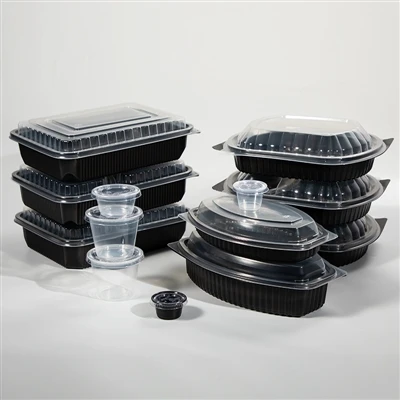
"Disposable foam plastic tableware" has always been considered the culprit in the manufacture of white pollution. In the No. 6 Order promulgated by the former State Economic and Trade Commission in 1999, it was included in the products with serious pollution, and was limited to the “three prohibitions” (prohibition of production, sales and use) before the end of 2000. And has introduced many alternative products.
A representative of the Municipal People's Congress has proposed that in recent years, it has been identified by environmental experts that foamed plastic tableware does not have the conditions for the production of dioxin, a carcinogen. This makes the six-year-old Order No. 6 ineffective in prohibiting use. According to incomplete statistics, the daily consumption of disposable tableware in Guangzhou is about 1.2 million to 1.5 million, of which foamed plastic tableware accounts for more than 90%. Caused more serious pollution and increased the workload of the sanitation department.
"The cause of pollution is that humans do not recycle, not the tableware itself." Liang Xiaoming and other representatives submitted suggestions that the idea of treating foamed plastic tableware should be changed. Beijing, Shanghai and other cities have been implemented many years ago.
In 2001, there were also enterprises in Guangdong that specialized in recycling. In Guangzhou, the daily recovery amount was as much as 2 tons, and the recovery rate was about 40%. In the meantime, the cityscape of Guangzhou has obviously improved, and it has also achieved certain social benefits. However, the relevant departments intervened on the grounds of violating the No. 6 order, and these private institutions and enterprises were forced to shut down after only one year of operation.