1. Structural Composition of paper serving cups and Forms of Bisphenol A
1.1 Basic Structure and Coating Materials of Paper Serving Cups
Disposable paper serving cups typically consist of two parts: a paper substrate and an inner coating. The paper substrate is mostly made of food-grade wood pulp or other plant fibres, processed through pulping, refining, and other processes to form the basic material of the paper serving cup. To improve the performance of the paper serving cup, such as leak-proofness and durability, a thin layer of plastic is usually coated on the inner wall of the cup. Common materials include food-grade PLA film or polyethylene (PE) film.
Depending on the coating material, disposable paper serving cups are mainly divided into three types:
- Wax-coated cups: paper serving cups with a layer of wax on the surface, mainly used for holding cold drinks, because wax melts at high temperatures.
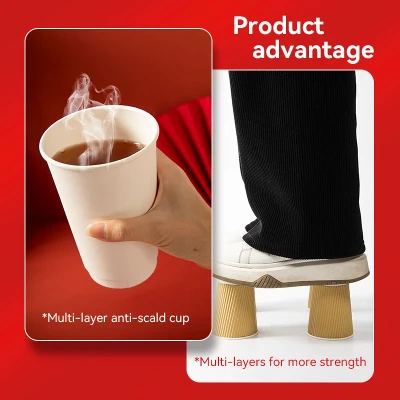
- Straight-walled double-walled cups: The cup wall has two layers of paper with air between them, providing good heat insulation, but this design does not involve a special chemical coating.
- Polyethene-coated cups: The cup wall is covered with a thin layer of polyethene, which is currently the most mainstream type of paper serving cup on the market. During the casting process, polyethene-coated cups have a thin layer of polyethene (PE) plastic coating applied to the paper surface, essentially a plastic film covering the cup.

1.2 Uses and Forms of Bisphenol A in Paper Serving Cups
Bisphenol A (BPA) is an important organic chemical raw material, primarily used industrially as a basic material in the production of plastic and coatings. BPA is commonly used in the synthesis of materials such as polycarbonate (PC) and epoxy resins, which are essential for many consumer and industrial products used in modern life, including many applications crucial to public health and food safety.
In paper serving cup manufacturing, BPA exists primarily in two forms:
- As a component of epoxy resin, Epoxy resins are mostly made from BPA. Although coating formulations vary widely, most use epoxy resin as a component to ensure effective coating performance. Epoxy resins containing BPA are commonly used as internal coatings for food and beverage containers, providing protection and corrosion resistance.
- As a component of greaseproof paper coatings, in some special greaseproof paper coatings, bisphenol A (BPA) may exist as an additive or reactive monomer to improve the greaseproof properties of the paper.

2. Release Mechanism and Influencing Factors of BPA
2.1 Effect of Temperature on BPA Release
Temperature is a key factor affecting the migration of BPA from paper serving cups into beverages. Multiple studies have shown that the migration amount of BPA from food packaging paper gradually increases with increasing temperature. Specific temperature-related data are as follows: Differences in release rates across different temperature ranges:
When the water temperature exceeds 50℃, the migration of bisphenol A (BPA) increases significantly. Experimental data show that the release rate of BPA from a paper serving cup filled with boiling water is 54 times faster than at room temperature.
The temperature range at which the migration of BPA surges in cellophane is 50–55℃, in paper serving cups and kerosene paper it is 65–70℃, and in coated paper it is 70–75℃.
In ultrapure water, the total migration of BPA at 95℃ is 8 times that at 80℃. In a 10% ethanol solution, the total migration of BPA at 95℃ is 5 times that at 80℃.
Relationship between temperature and release rate:
Studies show that under 80℃ water bath conditions, the total migration of BPA is consistent in both ultrapure water and 10% ethanol food simulants. However, under 95℃ water bath conditions, the total migration of BPA in ultrapure water food simulants is significantly higher than that in 10% ethanol. The total BPA migration is large. This indicates that different food simulants have varying solubility for BPA under high-temperature conditions.

2.2 The Influence of Time on Release Rate
Usage time is another important factor affecting BPA release. With prolonged contact time, the cumulative release of BPA gradually increases, but the rate of increase gradually slows down.
- Short-term contact (minutes): Experiments show that BPA can migrate from a regular food-grade plastic cup into a hot beverage in just one minute. This indicates that BPA release is a rapid process, starting instantly upon contact.
- Medium- to long-term contact (hours): Studies have found that in polycarbonate materials, BPA migration begins to accelerate after 48 hours, reaching its maximum migration rate at 112 hours, after which the migration rate slows down sharply. This indicates that there is a saturation point for BPA release.
- Release data at different time points:
In one study, researchers poured tap water containing 0.0855 ng/mL bisphenol A (BPA) into disposable paper serving cups. After a short while (about a few minutes), the BPA content in the tap water rose to 3.12 ng/mL, an increase of 36 times.
2.3 Differences in Release Characteristics Among Different Types of Paper Serving Cups
Different types of paper serving cups exhibit significant differences in BPA release characteristics due to differences in coating materials and processes.
Differences between hot and cold drink cups:
Hot drink cups typically use coating materials that are more heat-resistant, such as high-density polyethene (HDPE) or specially formulated epoxy resins. These materials have better stability at high temperatures, resulting in relatively lower BPA release.
Cold drink cups often use a wax coating process. Although the wax itself does not contain BPA, the wax layer melts at high temperatures, potentially exposing the inner material and increasing the risk of releasing other chemicals.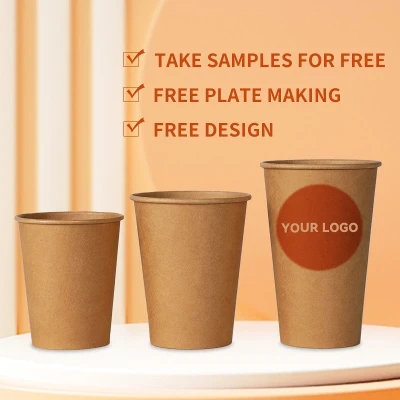
The effect of coating thickness:
Studies have shown a positive correlation between coating thickness and BPA release. While a thicker coating provides better barrier properties, it also means that more bisphenol A (BPA) may be present in the coating and released under certain conditions.
Impact of Material Differences:
PE Coated Paper Cups: Currently, the mainstream paper serving cups on the market are primarily coated with low-density polyethene (LDPE), and the resulting paper serving cups are called PE-coated paper serving cups. The molecular structure of this material is very stable, and under normal usage conditions, the release of BPA is low.
PLA Coated Paper Cups: PLA (polylactic acid) is a biodegradable plastic. Lactic acid can be produced from fermented sugars derived from grains or other organic matter, and lactic acid can be polymerised to obtain polylactic acid. PLA-coated paper serving cups are superior to PE-coated cups in terms of biodegradability, but their stability at high temperatures requires further research.
New Plastic-Free Coated Paper Cups: Some companies are beginning to adopt water-based plastic-free coating technologies, such as PHA (polyhydroxyalkanoate) water-based coatings and fully bio-based coatings. These coatings are BPA-free, fundamentally solving the problem of BPA release.

2.4 Other Influencing Factors
Besides temperature and time, several other factors affect the release of BPA from paper serving cups:
- The Influence of Food Simulators: Different food simulants have different solubilities for BPA. Studies show that BPA migrates more in ultrapure water than in 10% ethanol, and this difference increases with increasing temperature. At 80°C, the total migration of BPA into ultrapure water and 10% ethanol is 24.2 μg/L and 24.4 μg/L, respectively; however, at 95°C, these figures are 194.5 μg/L and 123.6 μg/L, respectively.
- Effects of pH: The stability and migration of bisphenol A (BPA) vary under different pH conditions. Studies have shown that the dissolution of BPA increases under acidic and alkaline conditions. This may be because acidic and alkaline environments affect the structure of the coating material, thereby promoting the release of BPA.
- Effects of Mechanical Stress: Mechanical stresses such as compression and bending experienced by paper serving cups during use can damage the integrity of the coating, increasing the release pathways of BPA. Paper serving cups with insufficient rigidity are particularly prone to deformation when filled with hot drinks, which may cause the coating to crack and accelerate the release of BPA.


3. Quantitative Assessment of Bisphenol A (BPA) Emission from paper serving cups
3.1 Actual Detection Data and Concentration Range
Through testing different brands and types of paper serving cups on the market, researchers obtained a large amount of data on BPA emission:
Comparison of Detection Results from Different Studies:
Research from Nanjing Medical University: Comparative determination of BPA content in disposable paper serving cups, disposable plastic cups, and disposable lunch boxes showed that the concentration of BPA in disposable paper serving cups was the highest, nearly 30 times that of disposable plastic cups.
When tap water containing 0.0855 ng/ml BPA was poured into a disposable paper serving cup, after a short while, the BPA content in the tap water in the cup rose to 3.12 ng/ml, an increase of 36 times.
 Research from Northwest Normal University: Using high-performance liquid chromatography-fluorescence detection, the BPA content of 10 paper serving cup samples was detected to be between 51.92 and 128.9 mg/L.
This study also found that under simulated usage conditions (60℃, 30 minutes), some samples showed bisphenol A migration exceeding the national standard limit.
Other research data: A survey of commercially available paper serving cups showed that the detection rate of bisphenol A was 100%, with content ranging from undetectable to several hundred micrograms per litre.
In some extreme cases, such as soaking paper serving cups in bisphenol A-free water after cutting them into pieces, the bisphenol A content in the soaking solution could reach 3.12 ng/ml.
Release range under different usage conditions:
Based on a comprehensive analysis of multiple studies, the bisphenol A release range of paper serving cups under different usage conditions is as follows:
| Usage Conditions | Bisphenol A Release Range | Detection Method | Data Source |
|---|---|---|---|
| Room temperature (25℃), short-term use (<1 hour) | <0.1 μg/L | HPLC | Multiple studies combined |
| 60℃, 30 minutes | 0.5-5 μg/L | HPLC - Fluorescence detection | Northwest Normal University Research |
| 80℃, 1 hour | 5-25 μg/L | UPLC-MS/MS | Multiple studies combined |
| 95℃, 1 Hour | 20-200 μg/L | HPLC Study of Polycarbonate Materials | Academic research papers |
| Boiling water (100℃), short-term use | 3-30 μg/L | UV spectrophotometry | Research at Nanjing Medical University |
3.2 Comparative Analysis with International Standards
Different countries and regions have different limits for bisphenol A (BPA) in food contact materials, reflecting varying perceptions of the health risks associated with BPA:
Comparison of Standards by Country/Region:
| Country/Region | Standardizing Institution | BPA Migration Limit | Scope of Application | Implementation Time |
|---|---|---|---|---|
| China | GB 4806.10-2024 | ≤0.05 mg/kg | Food Contact Plastics | Implemented in 2025 |
| China | GB 4806.6-2016 | ≤0.6 mg/L | Plastic Resins for Food Contact | Current |
| EU | EU 10/2011 | ≤0.05 mg/kg | Plastic Materials and Articles | Current |
| US | FDA | 0.6 mg/kg | Food Contact Materials | Current |
| US Some States | State Regulations | Stricter (e.g., 0.1 ppb) | Infant Products | Implemented |

Analysis of Reasons for Standard Differences:
- Differences in Risk Assessment: The European Food Safety Authority (EFSA) will implement a limit for BPA in 2023. The tolerable daily intake (TDI) for BPA has decreased dramatically from 4 μg/kg bw/day to 0.2 ng/kg bw/day, a reduction of 20,000 times.
The US FDA, based on its latest safety assessment, considers the current level of BPA use in food containers and packaging safe and maintains the limit of 0.6 mg/kg.
- Differences in regulatory focus: China and the EU are more focused on the protection of sensitive populations such as infants and young children, and therefore have implemented stricter restrictions, or even complete bans, on infant and toddler products.
US standards are relatively lenient, but some states, such as California, have enacted stricter local regulations, such as requiring that the BPA content in liquid, food, or beverage containers for children under 3 years old be ≤0.1 ppb.
- Differences in Testing Methods: Different countries may use different testing methods and conditions, which can affect the final setting of limit standards.
For example, Chinese standards require the use of HPLC or UPLC-MS/MS methods, while some countries may use other methods.

3.3 Compliance Analysis of paper serving cup Products:
According to sampling data from the Chinese market, the compliance status of bisphenol A (BPA) in paper serving cup products is as follows:
The 2022 national supervision and spot check results showed that the non-compliance rate of paper serving cup products was 6.9%, a decrease of 0.2 percentage points from the previous spot check. Among the six key industrial clusters sampled, Jiangsu Province had the highest non-compliance rate at 21.1%, while Shanghai, Zhejiang, and Shandong all had 0%. Non-compliance items were mainly concentrated in physical indicators such as cup stiffness and leakage performance, while the non-compliance rate for chemical indicators (including BPA) was relatively low.
It should be noted that although the overall compliance rate for chemical indicators is high, some products still have excessive BPA levels, especially under high-temperature conditions. Therefore, consumers should still be aware of the relevant risks when choosing and using paper serving cups.

4. Assessment of the Impact of Bisphenol A on Human Health
4.1 Toxic Effects and Mechanisms of Action of Bisphenol A
As a typical endocrine disruptor, bisphenol A has multifaceted effects on human health. Studies have shown that bisphenol A (BPA) has an estrogen-like structure, enabling it to mimic the effects of natural estrogen in the human body. It binds to estrogen receptors, thereby interfering with the normal function of the endocrine system.
Endocrine Disruption Mechanism: The molecular structure of BPA is similar to that of estradiol, the estrogen secreted by the human body. It can bind to estrogen receptors (ERα and ERβ), producing estrogen-like or anti-estrogenic effects. Research has found that BPA also has anti-thyroid hormone activity, interfering with the normal binding of triiodothyronine (T3) to thyroid hormone receptors. Furthermore, data based on yeast reporter gene assays show that BPA also has mild anti-androgenic activity.
Effects on the Reproductive System: The effects of BPA on the reproductive system are one of the earliest and most thoroughly studied areas. Animal experiments have shown that even at very low doses, BPA can cause precocious puberty in females, decreased sperm count, and prostate enlargement. Human studies indicate that BPA may affect female egg quality, male sperm count, and even pose potential risks to fetal development.
Effects on the Metabolic System: Recent studies have found a close association between bisphenol A (BPA) and metabolic diseases such as obesity and diabetes. Epidemiological studies indicate that:
- Type 2 diabetes genetic risk score (GRS) and BPA exposure interact in the process of abnormal glucose metabolism. For individuals carrying type 2 diabetes susceptibility genes, BPA exposure may be one of the risk factors for worsening glucose metabolism.
- Follow-up studies have found that BPA levels are associated with an increased risk of central obesity, and high BPA exposure may be a potential risk factor for central obesity.
- Studies have found that BPA concentrations in human adipose tissue are much higher than in plasma and other organs, suggesting that it may have a chronic and persistent effect on lipid-related metabolism.
 Effects on the Immune System: In its 2023 reassessment, the European Food Safety Authority (EFSA) identified the immune system as the most sensitive system to BPA exposure. Studies have found that BPA has a key effect on mouse Th17 cells, which play a crucial role in cellular immune mechanisms and are involved in the development of inflammatory diseases, including autoimmune diseases and lung inflammation.
Carcinogenic Risk: Data show that bisphenol A (BPA) has certain embryotoxic and teratogenic effects, and can significantly increase the risk of ovarian cancer, prostate cancer, leukaemia, and other cancers in animals. A prospective cohort study based on the National Health and Nutrition Examination Survey (NHANES) in the United States found a U-shaped association between urinary BPA exposure and cancer mortality, with lower BPA levels (<1.99 ng/ml) associated with a higher risk of cancer mortality.

4.2 Safety Thresholds and Exposure Assessment
To assess the risks of bisphenol A (BPA) to human health, regulatory agencies in various countries have established corresponding safety thresholds:
Evolution of Acceptable Daily Intake (ADI) Standards:
- Early Standards: The US FDA initially set the tolerable daily intake of BPA at 50 μg/kg body weight/day, meaning that a 60 kg adult should not ingest more than 3 mg of BPA per day.
- Changes in EU Standards: The European Commission raised the standard to 4 μg/kg body weight/day in 2015, and further increased it by 20,000 times in 2023, requiring that BPA intake not exceed 0.2 ng/kg body weight/day.
- Chinese Standards: China currently uses a migration limit of 0.6 mg/kg, but has stricter requirements for infant and toddler products.
Population Exposure Level Assessment:
Based on a meta-analysis of multiple studies, BPA exposure levels vary across different regions:
| Region | Exposure Level (μg/kg bw/day) | Sample Count | Data Source |
|---|---|---|---|
| Guangzhou, China | 0.27 | 1,200+ | Dietary Survey, China Public Health Research |
| Wuhan, China | 0.28 | 1,000+ | Dietary Survey, China Public Health Research |
| Jinan, China | 0.26 | 950+ | Dietary Survey, China Public Health Research |
| United States (NHANES) | 0.3-1.5 | 10,000+ | Urine Test, US Centres for Disease Control and Prevention |
Studies in China show that the dietary BPA exposure levels of 95% of residents in Guangzhou, Wuhan, and Jinan are 0.27, 0.28, and 0.26 μg/kg/day, respectively, all significantly lower than the tolerable daily intake of 50 μg/kg·bw/day in the United States. However, these data are primarily based on dietary exposure and do not include exposure through other routes (such as inhalation and skin contact).
Additional Exposure Due to paper serving cup Use:
Based on the previous test data, we can estimate the additional BPA exposure due to paper serving cup use:
Assuming a 60 kg adult uses one paper serving cup daily to hold a hot beverage (250 ml), the additional exposure under the following conditions is as follows:
Room temperature (25℃): <0.001 μg/kg bw/day
- 60℃: 0.0025-0.025 μg/kg bw/day
- 80℃: 0.025-0.125 μg/kg bw/day
- 95℃: 0.1-1 μg/kg bw/day
It can be seen that under high-temperature conditions, BPA ingestion through paper serving cups may account for a significant proportion of the total exposure.
4.3 Differences in Sensitivity Among Different Populations
There are significant differences in BPA sensitivity among different populations, with the most vulnerable groups including:
- Fetuses and Infants: BPA can cross the placental barrier and affect fetal development. More importantly, the seeds of this damage are sown as early as the fetal stage: Bisphenol A (BPA) can interfere with the expression of key genes in pancreatic development (such as Pdx1 and Ngn3), leading to a reduced proportion of β cells. Even if blood sugar is normal at birth, the risk of metabolic breakdown in adulthood is already predetermined. Studies have also found that fetal exposure to BPA may lead to lifelong health effects, including reproductive system abnormalities and neurodevelopmental disorders.
- Children: Children are more sensitive to BPA than adults, mainly because:
Children are relatively lighter, resulting in higher concentrations of BPA in their bodies from the same dose.
Children's metabolic systems are not fully developed, and their ability to detoxify harmful substances is weaker.
Children are in a critical period of growth and development, making their endocrine systems more susceptible to disruption.
Studies show that children have more opportunities to be exposed to BPA through various routes (including food packaging, toys, and daily necessities), and their behavioural characteristics (such as biting and hand-mouth movements) increase the risk of exposure.
- Pregnant women: Pregnant women are another group that requires special attention. In addition to their own health, pregnant women also face the risk of exposure to the fetus. Studies have shown that exposure to bisphenol A (BPA) during early pregnancy may lead to asthma and other illnesses in infants, adversely affecting normal fetal development. Furthermore, BPA can be passed to infants through breast milk, continuing to impact their health.
- Elderly and immunocompromised individuals: Elderly individuals and those with weakened immune systems have lower resistance to environmental pollutants such as BPA due to declining bodily functions. Those with chronic diseases, in particular, may be more sensitive to the toxic effects of BPA.

4.4 Health Risks of BPA Alternatives
Due to the health controversies surrounding BPA, many manufacturers have turned to using BPA alternatives. However, a growing body of research indicates that these alternatives are not entirely safe:
Main Alternatives and Their Characteristics:
- Bisphenol S (BPS): As a third-generation alternative, BPS's sulfonyl bridging structure enhances molecular polarity, raising the glass transition temperature of polysulfone resins by 30-50°C.
However, BPS exhibits new characteristics in its endocrine-disrupting effects: its thyroid hormone-disrupting activity is 1.5 times that of BPA, and it can be absorbed through the skin; after contact with thermal paper, the skin absorption can reach 1 μg within 10 minutes.
The latest toxicological data from the German Federal Environment Agency in 2024 shows that BPS has a half-life in the human body that extends twice the Earth's orbit compared to BPA, making it more difficult to metabolise and more likely to "establish itself" in the placenta.

- Bisphenol F (BPF): As a second-generation alternative, BPF's methylene bridging structure reduces steric hindrance, lowering the viscosity of epoxy resin systems by 40% and significantly improving processing performance.
Studies have found that BPF's acute toxicity is almost equal to that of BPA, while some experiments show that its estrogenic activity is [amount missing] times that of BPA. 1/10, but with a stronger thyroid hormone-disrupting effect.
A company switched to bisphenol F (BPF) for can coating production, and the results showed higher estrogenic activity.
Other alternatives:
- Bisphenol AF (BPAF): 10 times more potent in activating estrogen receptor α (ERα) than BPA.
- Tetramethylbisphenol F (TMBPF): Did not show significant endocrine-disrupting activity and is considered a relatively safe alternative.
Bisphenol B (BPB), bisphenol Z (BPZ), etc.: The safety of these compounds is still under evaluation.
 Common problems with alternatives:
Studies have shown that these bisphenol A alternatives share the following common problems:
- Structural similarity: Their molecular structures are highly similar to BPA, earning them the nickname "BPA with a different name."
- Endocrine disruption: In vitro experiments by scientists have confirmed that these alternatives have similar, or even stronger, activation effects on estrogen receptors than BPA.
- Regulatory lag: Because these alternatives are considered... "New substances" have regulatory gaps in many countries where standards have not yet kept pace.
Cumulative effects: The simultaneous use of multiple alternatives may produce cumulative effects, and their overall health impact is still unclear.
Therefore, "BPA-free" does not equate to "safe," and consumers need to be more cautious when choosing products.