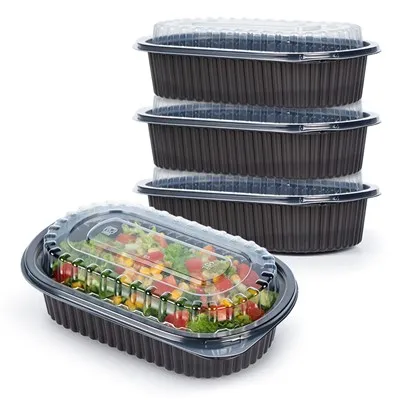
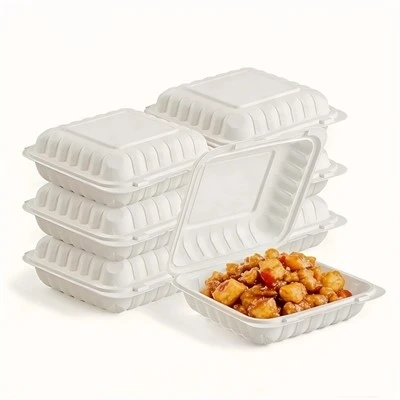
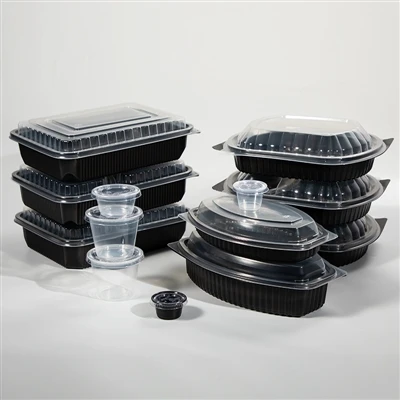
Because they are hygienic and convenient, plastic to-go containers for food are common in both households and dining establishments. Nonetheless, there are frequently worries about whether these containers leak dangerous materials when they are chilled. The safety of refrigerating plastic to-go containers for food is examined here, with particular attention paid to material composition, temperature effects, and useful usage advice. To help customers and food service providers make educated decisions, we also offer instructions on how to evaluate the quality of these containers through touch and scent.
1. Materials and Safety of Plastic To-Go Containers for Food
The safety of plastic to-go containers for food hinges on the type of plastic used and whether they meet food-grade standards. Different plastics behave differently under refrigeration, and selecting the right material is critical for ensuring food safety.
Types of Food-Grade Plastics
Common materials for disposable to-go containers for food include polypropylene (PP), polyethylene terephthalate (PET), polystyrene (PS), and polylactic acid (PLA). Here's how they perform under refrigeration (0–5°C):
- PP: Highly stable, durable, and resistant to cold temperatures, making it ideal for refrigerated to-go containers for food.
- PET: Also stable in cold conditions, often used for salads or cold drinks due to its clarity and strength.
- PS: Becomes brittle at low temperatures and may crack, making it less suitable for long-term refrigeration.
- PLA: A biodegradable option that's safe for refrigeration but not ideal for freezing due to potential degradation.
For both home and restaurant use, PP and PET are the top choices for to-go containers for food because of their cold resistance and safety.
Food Safety Certifications
To-go containers for food of the highest caliber should be certified by organizations such as the FDA, LFGB, or SGS. These certificates attest to the containers' suitability for handling food under a variety of circumstances, including refrigeration. To guarantee compliance, look for labels on the bottom of food to-go containers that say "Food Grade" or "PP5," which denotes PP material. Even in cold storage, the risk of chemical migration is greatly decreased by certified containers.
Stability in Refrigeration
In general, refrigeration temperatures between 0°C and 5°C are too low to cause noticeable molecular changes in polymers. Cold temperatures maintain the material structure, in contrast to high temperatures that can cause polymers to release toxic chemicals like plasticizers or bisphenol A (BPA). When food is refrigerated, properly certified to-go containers are unlikely to leak dangerous chemicals. However, there may be slight chemical migration in poor-quality containers or those that are often frozen and thawed. Reusing disposable to-go containers for food over an extended period of time should be avoided to reduce dangers.
2. Do To-Go Containers for Food Release Harmful Substances When Refrigerated?
Scientific evidence suggests that refrigeration poses minimal risk for chemical leaching from high-quality to-go containers for food. The low temperatures slow down molecular activity, reducing the likelihood of harmful substances migrating into food. However, certain factors can increase risks:
- Low-Quality Materials: Containers made from recycled or non-food-grade plastics may contain impurities that could leach, even in cold conditions.
- Physical Damage: Cracked or worn to-go containers for food may release trace chemicals if the plastic degrades.
- Acidic or Fatty Foods: While less of an issue in refrigeration, acidic or fatty foods (e.g., tomato sauce or oily leftovers) can interact with low-quality plastics over extended periods, potentially causing minor chemical migration.
To ensure safety, always use certified, food-grade to-go containers for food and avoid storing food in damaged or low-quality containers for prolonged periods.
3. Assessing To-Go Containers for Food by Touch and Smell
With growing consumer awareness of food safety, it's essential to know how to evaluate the quality of to-go containers for food quickly. Using touch and smell, you can gauge whether a container is safe for refrigeration or general use.
Evaluating by Touch
The tactile qualities of to-go containers for food can reveal a lot about their quality:
- √ Surface Smoothness: High-quality containers feel smooth, with clean edges and no burrs. Rough or sticky surfaces often indicate low-grade materials or impurities.
- √ Thickness and Support: Press the container lightly. Quality to-go containers for food, especially those made from PP or PET, have uniform thickness and resist deformation. Thin or uneven containers may collapse or crack, compromising safety.
- Tactile Red Flags: If a container feels grainy, overly soft, or sticky, it may contain recycled plastics or additives that could pose risks, especially if heated after refrigeration.
Evaluating by Smell
Smell is another reliable indicator of quality for to-go containers for food:
- √ No Odor or Mild Plastic Scent: High-quality containers should be nearly odorless or have a faint, neutral plastic smell. This indicates they're made from pure, food-grade materials.
- Warning Signs: Avoid containers with sour, burnt, or artificial odors. These smells may signal:
- Sour Odor: Aging plastic or recycled materials.
- Burnt Odor: Chemical decomposition from low-quality production.
- Aromatic Odor: Added fragrances to mask impurities, which can indicate non-food-grade materials.
- Heating Test: To confirm safety, microwave an empty container for one minute. If it emits a strong odor, it's likely unsafe for food storage, even in refrigeration.
By using touch and smell, you can quickly identify substandard to-go containers for food and avoid potential health risks.
4. Choosing Safe To-Go Containers for Food
To ensure you're using safe to-go containers for food, follow these tips:


5. Practical Tips for Refrigerating To-Go Containers for Food
To maximize safety when refrigerating food in plastic to-go containers:
- Store food in certified, food-grade containers made from PP or PET.
- Avoid overfilling containers, as this can cause cracks or stress the material.
- Limit storage time for acidic or fatty foods to prevent potential interactions with the plastic.
- If reusing to-go containers for food, inspect them for cracks, scratches, or discoloration, and discard if damaged.
- For freezing, ensure the container is labeled as freezer-safe to avoid brittleness or cracking.