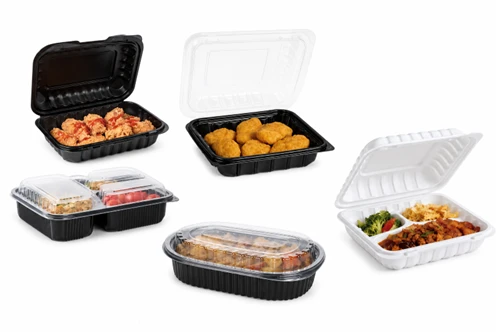
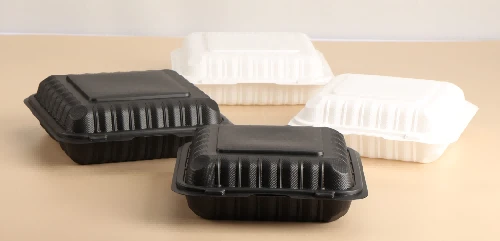
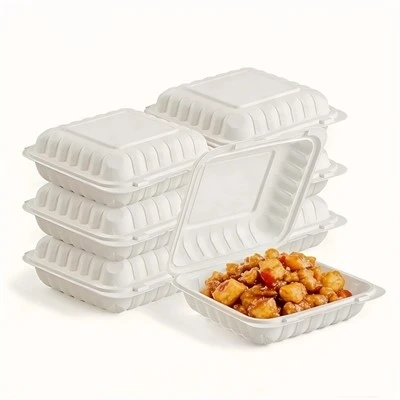
The global push to curb plastic pollution has gained unstoppable momentum, and in 2025, China's comprehensive plastic ban will reshape industries, with a particular focus on disposable packaging like the to-go lunch box. This policy, part of a broader environmental movement, targets single-use plastics in the takeout and packaging sectors, challenging businesses to adapt while opening doors to innovation.
This article dives into the details of the 2025 plastic ban, its impact on the to-go lunch boxeses industry, viable alternatives, and emerging trends, offering actionable insights for manufacturers, restaurants, and food delivery platforms.


1. Breaking Down the 2025 Plastic Ban: Key Details and Scope
The 2025 plastic ban represents a pivotal step in China's commitment to reducing plastic pollution. Building on earlier policies, it aims to eliminate non-biodegradable single-use plastics, including the ubiquitous to-go lunch box, across the country.
Policy Background and Implementation Timeline
China's plastic ban journey began in 2020 with the "Opinions on Further Strengthening Plastic Pollution Control," issued by the National Development and Reform Commission and the Ministry of Ecology and Environment. The policy rolled out in phases:
What's Covered? The Scope of the Ban
The 2025 ban explicitly targets non-biodegradable plastics in high-frequency applications, with the to-go lunch box at the forefront due to its widespread use in takeout and delivery. The policy covers:
- Disposable tableware: Plastic to-go lunch boxes, straws, and cutlery used in restaurants, food delivery, and catering.
- Packaging materials: Non-biodegradable plastic bags and films in supermarkets, airports, and e-commerce.
- Specific industries: The ban emphasizes sectors like food delivery, where plastic to-go lunch boxes dominate due to their affordability and durability.
Enforcement and Compliance Mechanisms
Enforcement of the 2025 ban will be rigorous, overseen by local ecological and environmental bureaus alongside market supervision agencies. Companies producing to-go lunch boxes must register their products for compliance, ensuring materials meet national biodegradability and safety standards.
Third-party testing agencies will verify the composition and degradation performance of to-go lunch box products, with non-compliant items banned from sale or use. Fines, product seizures, and operational restrictions await businesses that fail to adapt.
2. Industry Impacts: How the Ban Reshapes the To-Go Lunch Box Market
The 2025 plastic ban will send shockwaves through the to-go lunch box industry, affecting manufacturers, food delivery platforms, and restaurants. While challenges loom, the policy also creates opportunities for businesses that can pivot effectively.
Challenges for To-Go Lunch Box Manufacturers
For manufacturers, the ban on non-biodegradable plastics disrupts traditional production models. Most to-go lunch boxes are made from polypropylene (PP) or polystyrene (PS), materials prized for their low cost and durability but now restricted under the ban. Transitioning to biodegradable alternatives requires significant investment in:
Biodegradable options are often pricier than traditional plastics
New molds and processes for alternative materials
New supplier relationships for sustainable materials
Short-Term Impacts on Food Delivery and Restaurants
The food delivery and restaurant sectors, heavily reliant on the plastic to-go lunch box, face immediate challenges:
- Cost increases: Higher packaging costs could squeeze profit margins, especially for small restaurants.
- Customer experience: Subpar to-go lunch box performance (e.g., leaks or reduced heat retention) could harm satisfaction.
- Brand pressure: Consumers increasingly expect eco-friendly practices, pushing restaurants to adopt sustainable options.
New Market Opportunities
The plastic ban, while disruptive, is a catalyst for growth in the eco-friendly packaging sector. Demand for biodegradable to-go lunch boxes is surging, driving innovation in materials like PLA, pulp, and crystallized PLA (CPLA). Key opportunities include:
- Material innovation: Companies developing high-performance biodegradable to-go lunch boxes can capture market share.
- Green certifications: Obtaining certifications like ISO 14001, BPI, or EN 13432 enhances credibility and market access.
- Industry consolidation: As smaller players exit, leading manufacturers can expand their footprint by offering compliant solutions.
3. Alternatives to Plastic To-Go Lunch Boxes: Solutions for Compliance
To navigate the 2025 ban, businesses must adopt compliant alternatives to the plastic to-go lunch box. From biodegradable materials to innovative designs, here are the most promising solutions.
Biodegradable Materials: PLA, Pulp, and Beyond
The transition to biodegradable to-go lunch boxes hinges on materials like PLA and molded pulp, which offer environmental benefits without sacrificing functionality:
Polylactic Acid (PLA)
Derived from renewable sources like corn starch, PLA to-go lunch boxes decompose into carbon dioxide and water under industrial composting conditions. They offer good heat resistance and are ideal for takeout applications.
Molded Pulp
Made from plant fibers like sugarcane bagasse or bamboo, pulp-based to-go lunch boxes are naturally biodegradable. Recent advancements have improved their strength, oil resistance, and waterproofing, making them a strong contender for food delivery.
Other Options
Materials like PBAT and CPLA are gaining traction for their enhanced durability and compostability, offering versatile alternatives for to-go lunch box production.

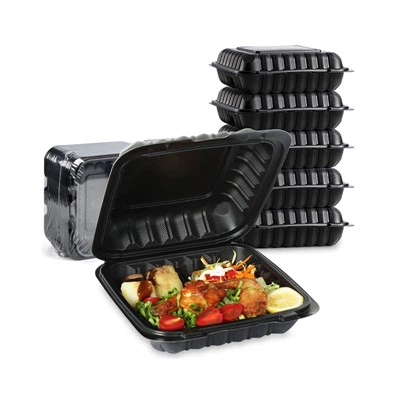
Packaging Innovation: Balancing Functionality and Branding
Beyond materials, innovation in to-go lunch box design is critical for staying competitive:
- Modular Designs: To-go lunch boxes with compartments or stackable features improve usability for complex meals.
- Visible Lids: Transparent biodegradable lids enhance the visual appeal of food, boosting customer satisfaction.
- Branding Opportunities: Eco-friendly to-go lunch boxes can feature logos or messaging that highlight a company's commitment to sustainability.
Building a Compliant Supply Chain
A reliable supply chain is essential for producing compliant to-go lunch boxes. Key steps include:
- Certified Suppliers: Partner with suppliers holding certifications like FDA, SGS, or ISO to ensure food safety and biodegradability.
- Stable Sourcing: Secure long-term contracts for raw materials to avoid supply disruptions.
- Quality Control: Implement rigorous testing to ensure to-go lunch boxes meet performance and regulatory standards.
4. Future Trends: Toward a Circular Packaging Economy
The 2025 plastic ban is not the endgame but a stepping stone toward a circular packaging economy. The to-go lunch box industry will evolve to prioritize recycling, smart technology, and sustainability.
Stricter Industry Standards
As environmental regulations tighten, standards for to-go lunch boxes will become more stringent. Future policies may mandate specific recyclability ratios or require closed-loop production systems. Manufacturers must ensure their to-go lunch boxes meet safety, biodegradability, and reuse criteria, driving the industry toward low-carbon development.
Smart Packaging and Recycling Systems
Emerging technologies are transforming the to-go lunch box landscape. Smart packaging solutions, such as RFID chips or QR codes, enable tracking of to-go lunch box usage and recycling. Pilot programs in some cities allow consumers to return used to-go lunch boxes to recycling machines for deposits, reducing waste and encouraging reuse.

Corporate Social Responsibility and Brand Value
Sustainability is becoming a core component of brand identity. Companies like Yangrui, a leading manufacturer of disposable to-go lunch boxes, exemplify this trend. Yangrui's biodegradable to-go lunch boxes, made from materials like PP and MFPP, are FDA, SGS, and ISO 9001 certified, offering excellent heat resistance and sealing properties. By aligning with the 2025 ban, Yangrui helps customers stabilize supply chains, reduce compliance risks, and enhance their brand through sustainable to-go lunch box solutions.
Prepare Your Business for the 2025 Plastic Ban
Stay ahead of regulations and meet consumer demand for sustainable packaging. Contact our experts to explore compliant to-go lunch box solutions tailored to your business needs.