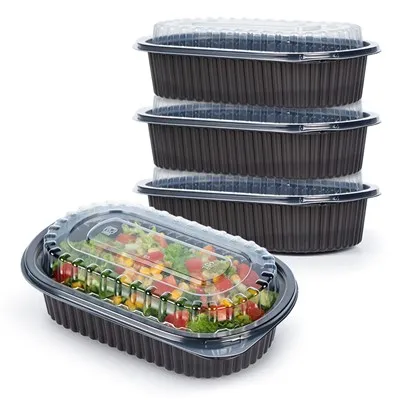
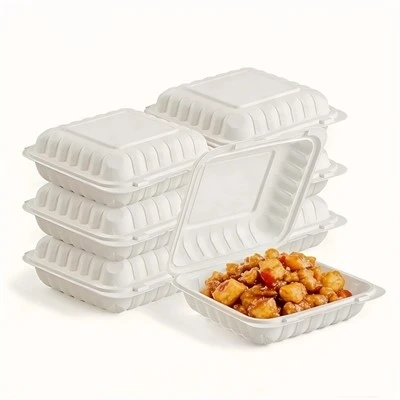
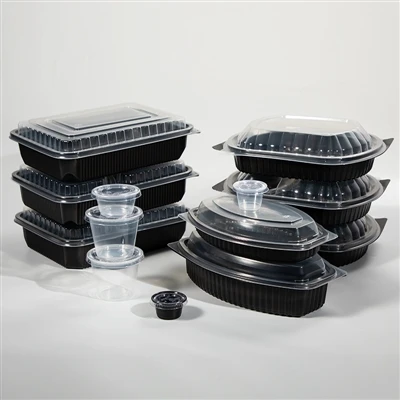
The food service business has long placed a high premium on food packaging safety, particularly when handling large-scale orders like bulk togo boxes. These containers are made of a variety of materials, including pulp-based alternatives, polypropylene (PP), polyethylene terephthalate (PET), polystyrene (PS), and polylactic acid (PLA).
Each of these materials has unique qualities that affect its overall safety, temperature tolerance, and recyclability. Understanding these distinctions is crucial for companies that use bulk togo boxes for delivery, takeout, or catering in order to prevent hazards like chemical leaching or structural failure.
This comprehensive tutorial will show you how to assess the safety levels of bulk togo boxes using everything from practical testing techniques to deciphering labels and certificates. By the end, you'll be equipped to make informed, professional decisions that protect your customers, comply with regulations, and boost your operational efficiency.
1. Common Food Container Material Types and Safety Levels
Knowing the fundamental components of bulk togo boxes is essential to guaranteeing their safety. Each variety has special benefits and drawbacks that affect everything from their environmental impact to how efficiently they manage heat.
PP (Polypropylene)
One of the most dependable materials for bulk togo boxes in the food business is polypropylene, or PP.
- Safety Level: Excellent
- Temperature Tolerance: Up to 120°C (248°F)
- Recyclability: Highly recyclable
- Best For: Hot foods, microwave reheating
Look for BPA-free certification and smooth, odorless surfaces.

In practical terms, PP bulk togo boxes excel in fast-paced environments like restaurants and food trucks. For instance, a chain of quick-service eateries might stock up on thousands of PP bulk togo boxes to handle peak lunch hours, knowing they won't warp under steaming entrees. However, not all PP is created equal; lower-grade versions might include fillers that compromise safety, so always verify the source. Overall, PP's balance of safety, affordability, and performance makes it a staple for bulk togo boxes in the U.S. market.
PET (Polyethylene Terephthalate)
Another prevalent participant in the bulk togo box market is polyethylene terephthalate, or PET.
- Safety Level: Good (for cold use)
- Temperature Tolerance: Up to 60°C (140°F)
- Recyclability: One of the most recyclable plastics
- Best For: Cold foods, salads, beverages
Avoid microwaving and hot foods to prevent deformation.

Because PET bulk togo boxes are lightweight, they lower shipping costs for businesses that deal with large orders. When a catering company prepares hundreds of salad pieces, PET's impact resistance guarantees that the bulk togo boxes arrive undamaged without adding extra weight. Choose "BPA-free" PET bulk togo boxes for maximum safety, and stay away from any that contain recycled materials unless they are certified food-grade. In conclusion, PET is essential for some niches in bulk togo boxes due to its safety for cold storage, even though it isn't as versatile as PP.
PS (Polystyrene)
For a long time, polystyrene, or PS, has been an inexpensive choice for large togo boxes.
- Safety Level: Low (for food use)
- Temperature Tolerance: Up to 70°C (158°F)
- Recyclability: Poor
- Best For: Limited use for cold, dry items
May leach styrene when heated; banned in many locations.

In scenarios where PS bulk togo boxes are still viable, such as for dry goods or cold treats, ensure they're from reputable sources with safety testing. A bakery might use PS for cookie trays, but switching to more robust options like PP for bulk togo boxes could prevent issues down the line. As the industry shifts, PS is being phased out, encouraging smarter choices in bulk togo boxes that prioritize safety over short-term economy.
PLA and Pulp
 Polylactic acid (PLA) and pulp-based materials are becoming leading choices for sustainability.
- Safety Level: Excellent
- Temperature Tolerance: Up to 40-50°C (104-122°F)
- Recyclability: Compostable
- Best For: Warm foods, eco-friendly branding
Check for compostability certifications like ASTM D6400.
The rise in demand for eco-friendly bulk togo boxes reflects consumer preferences-surveys show that over 70% of Americans prefer sustainable packaging. A coffee shop chain, for example, might transition to PLA bulk togo boxes for lids and cups to reduce their carbon footprint. Costs are higher than traditional plastics, but tax incentives and branding benefits offset this. When selecting these for bulk togo boxes, check for certifications like ASTM D6400 for compostability to ensure true environmental safety.
2. How to Identify Safety Marks and Ratings
Beyond materials, safety marks and ratings provide quick insights into the quality of bulk togo boxes. These indicators, often stamped or printed on the product, signal compliance with health standards and help businesses filter out inferior options.
Decoding the Recycling Triangle and Material Codes
The recycling triangle with a number between 1 and 7 is located at the bottom of most plastic bulk togo boxes. This is a hint to safety, not simply for recycling.
- 1 (PET): Appropriate for cold foods
- 5 (PP): Food-grade, safe material for hot foods
- Avoid: Steer clear of 3 (PVC) and 6 (PS) for food contact
- To verify authenticity, give priority to bulk togo cartons with clear, embossed triangles.
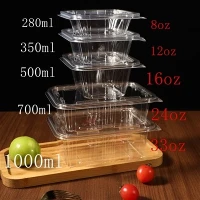
Recognizing Key Food-Grade Certifications
Look for these certifications to ensure your bulk togo boxes meet safety standards:
- FDA Approved: Meets U.S. standards for food contact
- LFGB: European food safety standard
- BPA-Free: No bisphenol A content
- EU Compliant: Suitable for international trade
- These are typically on the bottom or packaging labels-scan them during supplier audits to ensure your bulk togo boxes are up to par.
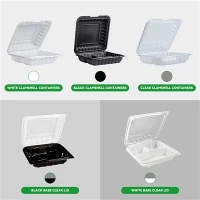
Reviewing Testing Reports and Compliance Documents
Reputable suppliers should provide these documents for verification, detailing heavy metal content, migration tests, and more.
- Testing Reports: Detail heavy metal content and migration tests
- GB4806: Chinese food contact material standard
- CE Marking: Indicates EU compliance
- VOC Emission Data: Verifies no harmful volatile compounds
- This due diligence protects against recalls and builds consumer trust in your bulk togo boxes.
3. Material Testing and Practical Verification Methods
Labels are a start, but real-world testing confirms the safety of bulk togo boxes. These methods range from simple in-house checks to lab analyses, ensuring reliability.
Conducting Temperature Resistance Tests
To test bulk togo boxes, subject samples to heat or cold extremes:
- Microwave PP samples with water for 2-3 minutes-if no warping occurs, they're safe.
- For PET bulk togo boxes, Freeze PET samples overnight and check for cracks
- Document results to guide future purchases of bulk togo boxes.
-
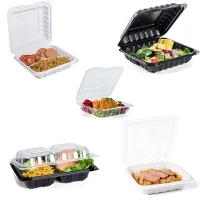
Detecting Odor and Chemical Detection
Simple tests can reveal potential chemical issues:
- Safe bulk togo containers should be completely odorless
- Heat a sample and sniff for plastic smells (indicates VOCs)
- Lab tests for BPA are ideal for high-stakes operations
- Reject batches with detectable residues
-
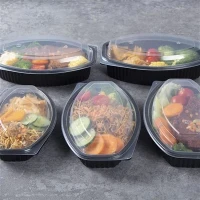
Implementing a Sample Testing Protocol
Before committing to bulk orders, test random samples for sealing, durability, and composition. Implement these checks:
- Test random samples for sealing and durability
- Perform drop tests to simulate shipping conditions
- Conduct leak checks with liquids of various temperatures
- Use professional labs for material verification
-
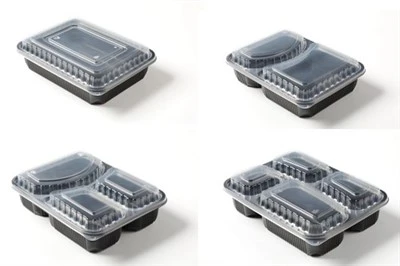
Practical Testing Checklist
4. How to Choose a Trustworthy Supplier for Bulk Togo Boxes
The right supplier ensures consistent safety in bulk togo boxes. Focus on credentials, transparency, and track record.
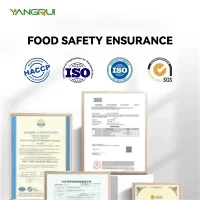
Evaluating Production Qualifications and Certifications
Seek suppliers with these certifications:
- ISO 9001: Quality management system
- BRC: Global food safety standard
- FDA Registration: For U.S. market access
- HACCP: Food safety management system
Tracing Raw Material Sources
Top suppliers disclose origins of materials:
- Resin Suppliers: BASF, SABIC, or other reputable sources
- Traceability: Ability to track materials to source
- Purity Guarantees: Certificates of analysis
- Sustainability: Eco-friendly sourcing practices
Building Partnerships with Proven Manufacturers
Look for these qualities in potential suppliers:
- Experience: Proven track record in food packaging
- Transparency: Willingness to share information
- Quality Control: Rigorous testing protocols
- Customer Service: Responsive and helpful support
Supplier Spotlight: Huizhou Yangrui Printing and Packaging Co., Ltd.
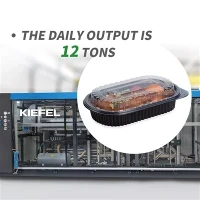
Huizhou Yangrui is a seasoned professional with more than ten years of experience in food packaging. They use only food-grade PP, PET, or PLA for bulk togo boxes, supported by thorough reporting, in accordance with ISO 9001.
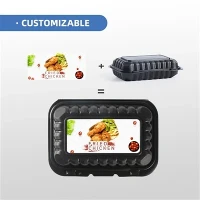
Yangrui optimizes costs and sustainability by tailoring bulk togo boxes to your specifications, including sizes and patterns. By collaborating with them, you can obtain dependable bulk togo boxes and enhance your brand with environmentally friendly, safe packaging.

Identifying the material safety level of bulk togo boxes is a critical aspect of running a responsible food service business. By understanding the different materials, recognizing safety certifications, performing practical tests, and choosing reputable suppliers, you can ensure that your packaging meets the highest safety standards.
Prioritizing packaging safety not only protects your customers but also enhances your brand reputation and ensures compliance with increasingly strict regulations. Remember that investing in high-quality, safe packaging is an investment in the long-term success of your business.