1. Introduction: Importance of To Go Containers with Lids
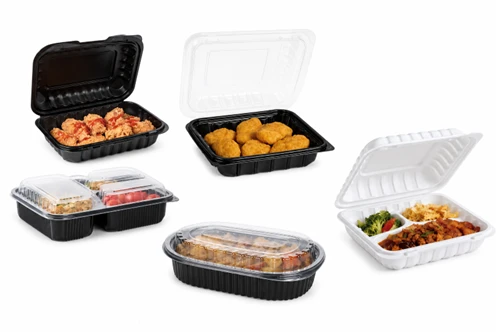
With the rapid development of the food delivery industry and the increasing demands of consumers for food quality, to go containers with lids have become an indispensable key element in the modern catering service industry. These containers not only fulfill the basic functions of protecting food and facilitating transportation, but also play a crucial role in enhancing customer experience, optimizing operational processes, ensuring food safety, and promoting sustainable development.
From a market size perspective, after experiencing explosive growth during the pandemic, the food delivery market has entered a stable development stage. According to the latest data, the cost of food delivery packaging has increased from 5% to 8%, but is expected to decrease to 6% after optimization. This change directly impacts the profitability of catering companies.
From a policy perspective, increasingly stringent environmental regulations are reshaping the landscape of the food delivery packaging industry. From June 1, 2026, the "Regulations on Supervision and Management of Online Catering Service Operators' Implementation of Food Safety Responsibility" will officially come into effect, explicitly requiring the use of food containers that meet safety standards with seals that cannot be restored after opening.


Environmental Awareness
College students consider environmental friendliness when ordering food
Reduction Target
Non-degradable plastic tableware reduction by the end of 2025
Packaging Cost
Food delivery packaging cost percentage (optimizing to 6%)
2. Improved Customer Satisfaction
2.1 Significant Improvement in Portability
 To go containers with lids demonstrate multiple advantages in improving customer portability. First, the user-friendly design of modern lidded containers greatly simplifies the carrying process. According to the latest survey data, adopting packaging with superior leak-proof performance reduced return rates by 15% and saved over 2 million yuan annually. This data reflects the direct impact of packaging reliability on customer experience.
Structural Design Advantages
- Lightweight design with non-slip surface treatment
- 80% positive feedback on upgraded leak-proof design
- Ergonomic handle design reduces hand fatigue
- Double-layer leak-proof bowls for soup/noodle dishes
Specialized Leak-Proof Features
- Silicone sealing lids (3-5x more airtight)
- Outer heat protection layer for hot foods
- Less than 1ml leakage after 30min simulated delivery
- 15% reduction in return rates with improved design
For different types of food, the portability design of to go containers with lids shows distinct characteristics. For soup noodles/porridge/noodle dishes, double-layer leak-proof bowls (inner layer for soup/porridge, outer layer for heat protection and reinforcement) are preferred, paired with silicone sealing lids to prevent spills during delivery. This layered design not only solves the leakage problem but also protects customers' hands from high temperatures through an insulated outer layer.


2.2 Temperature and Freshness Maintenance
Temperature Preservation Performance
EPS Foam (3cm)
4-5°C drop/hour
PU Foam (3cm)
Slightly better than EPS
Plastic (5mm)
8-10°C drop/hour
EPP Box Superior Performance
EPP boxes exhibit particularly outstanding heat preservation performance, with the water temperature inside dropping by only 2.5℃, almost maintaining the initial temperature after cooking; while EPS boxes dropped by 8℃, a significant temperature difference. After 3 hours, the temperature inside the EPS box had dropped below 45℃, while the EPP box remained around 70℃.
Freshness Maintenance Features
- Sealed lid design isolates air and bacteria
- Prevention of broth leakage and flavor cross-contamination
- Breathable oil-proof boxes for fried foods (PET material, micro-ventilation holes)
- Oil-proof coating thickness ≥0.1mm, preventing food softening
2.3 The Impact of Packaging Integrity
Packaging Quality Impact
Research shows that 90% of takeout customers say they would order more food items if the packaging maintained food temperature, taste, and quality close to dine-in levels. This data clearly illustrates the significant impact of packaging quality on consumer decisions.
Damage Control Results
- 30% packaging materials replaced with eco-friendly options
- Food breakage rate reduced from 12% to 4%
- Customer packaging satisfaction increased to 88%
Visual Experience Benefits
The packaging opening experience has also become crucial. Modern to go containers with lids solve the problem of traditional packaging being "difficult to open and easily damaged" through easy-open design. Customer satisfaction increased by 22% after using the valve design.
Food Type Specific Requirements
Fried Rice/Noodles/Bowls
High sealing and heat retention, some requiring breathability
Pasta/Steak
Oil resistance, heat retention, and breathability
Pizza/Burgers/Fries
Leak-proof and oil-resistant properties, some breathability

3. Operational Efficiency Optimization
3.1 Packaging Convenience and Standardization
The standardized design of to go containers with lids has brought significant operational efficiency improvements to catering businesses. In terms of packaging operations, the new containers greatly simplify the packaging process through a snap-on design. Data shows that the thin PP blister packs save considerable space in the warehouse, and the lid can be snapped on in just three seconds, resulting in faster food service, saving time and labor.
Standardization Benefits
- Mass-produced mature materials (PP, kraft paper, starch-based)
- 40% production efficiency improvement
- 25% cost reduction through bulk purchasing
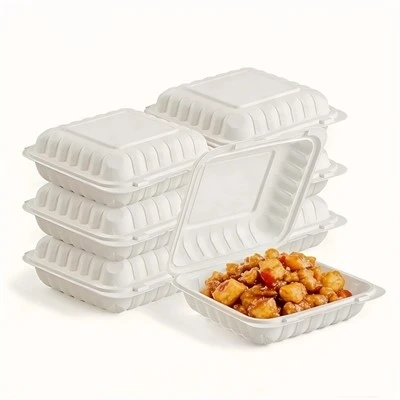
- Modular stackable design saves storage space

Specialized Container Designs
- Hot soups: PP5 leak-proof boxes (≥500g load-bearing)
- Fried foods: PP breathable boxes (≥0.1mm oil-proof coating)
- Rice: PS pressure-resistant boxes (≥60HD hardness)
- Reduced error rates and rework costs

Time Savings with Standardization
Average time to snap on the lid with standardized containers
Significantly faster during peak business periods
3.2 Improved Serving & Delivery Efficiency
Pre-packaging Strategy Benefits
Advance food preparation and semi-finished product processing one hour before peak hours increased serving speed by 50%. The temperature resistance and sealing performance of lidded containers support this pre-packaging model.
Fast Food Sector Improvements
- 25% increase in average daily food preparation volume
- Error rate reduced to 0.3% with standardized containers
- Highest standardization and versatility in the fast food sector

3.3 Employee Training & Error Rate Control
Training Cost Reduction
Standardized containers are simple and intuitive to use, allowing new employees to quickly master the correct packaging techniques. Training cycle shortened from a week to less than a day.
Customer satisfaction after implementing valve design
Error Rate Improvements
- 62% reduction in packaging-related complaints
- Average rating improved to 4.5 points (target achieved)
- 15% reduction in merchant return rates projected
- 30% reduction in packaging waste through optimization
Hamburger brand case: "Packaging leakage" negative reviews dropped from 11% to 4% with transparent lidded containers.
4. Food Safety Assurance
4.1 Food Safety Regulatory Compliance
Key Regulatory Requirements
- Regulations effective June 1, 2026 - sealed containers that cannot be restored after opening
- GB 4806.7-2023 for plastic food contact materials (effective Sept 6, 2024)
- GB 4806.8-2022 for paper food contact materials
- Clear marking of the maximum operating temperature required

Sealing Performance Standards
B/T 15171-2025, "Test Method for Sealing Performance of Packaging," will officially come into effect on February 1, 2026. This standard expands coverage to flexible, semi-rigid, and rigid packaging products.
Structural design allows packaging boxes to remain sealed even under 35G centrifugal force during dynamic distribution.
4.2 Safety Protection During Transportation
Temperature Control Requirements
- Hot foods must maintain core temperature above 60°C upon delivery
- Food-grade inner wall materials (PE, PP) - non-toxic, odorless
- EPP insulated boxes with vacuum-sealed aluminized film (0.019 thermal conductivity)
- Metal boxes maintain <15°C for 3 hours with ice packs (40°C ambient)

Tamper-Proof & Delivery Safety
One-time locking design prevents takeout from being opened a second time, protecting food from contamination and providing visual safety confirmation for customers.
Delivery efficiency improvement: Riders with improved packaging completed 7 more orders daily (34 minutes saved on parking/checking time), with 1.2 fewer cargo inspections per order.
5. Application Characteristics & Development Trends
5.1 Differentiated Needs of Different Formats
Restaurants
- High-end transparent containers (90%+ light transmittance)
- 15-20% higher order rates with transparent boxes
- 8-12% higher repurchase rates
- Brand image reflected in packaging quality
Cafes
- Beverage packaging focus with good insulation
- PP material maintains beverage temperature
- Leak-proof design for coffee cups
- Heat insulation for hot drink transportation safety
Chain Restaurants
- Standardization and economies of scale focus
- KFC flat design bags (1/5 storage volume)
- 40% storage space saving
- 30% logistics loading efficiency improvement
Material Selection by Business Type
Hot Pot Restaurants
High-temperature resistant PP material boxes prevent leakage and spillage
Baked Goods
Bamboo pulp/sugarcane pulp boxes with superior hardness and heat insulation
Fast Food
Large-volume, low-cost disposable paper packaging boxes (easy storage/transport)
High-end Restaurants
Customized packaging designs conveying brand value and quality
5.2 Regional Characteristics & Market Adaptability
Regional Policy Differences
- Shanghai plastic ban (Sept 2025): fines up to ¥100,000 for violations
- Southern China (Guangdong): higher sealing/antibacterial requirements (hot/humid)
- Campus market: 87% student focus on environmental packaging
- First-tier cities: preference for easy-handling containers (higher labor costs)
Cost Structure Variations
Cornstarch containers: ¥0.12 cheaper per unit than plastic
Bamboo fiber containers: ¥0.8 per unit with optimized design
Delivery environment impacts choices: congested city centers need higher insulation (longer delivery times), while community markets prioritize cost factors.
Key Conclusions Summary
Customer Satisfaction
90% of customers would order more with dine-in quality packaging
80% positive feedback on leak-proof design/handles
15% reduction in return rates with improved packaging
Operational Efficiency
110s → 32s packaging time per meal (71% improvement)
20% increase in customer satisfaction projected
30% reduction in packaging waste is achievable
Food Safety & Sustainability
<1ml leakage after 30min simulated delivery (85°C soup)
30% repurchase rate increase with eco-friendly packaging
20% pricing power improvement for sustainable brands
The Transformative Impact of To Go Containers with Lids
To-go containers with lids create significant value across customer satisfaction, operational efficiency, food safety, and sustainable development dimensions. Their standardized design, specialized features, and compliance with evolving regulations position them as essential tools for modern catering businesses seeking to enhance service quality and competitive advantage in the rapidly evolving food delivery landscape.