


Many people notice these issues after using togo boxes-greasy residue that won't wash off, or lingering smells from previous meals. Why does this happen? It actually relates to the container material, surface smoothness, and usage habits. Let's discuss common problems and solutions.


I. Why Do Containers Easily Absorb Grease and Odors?
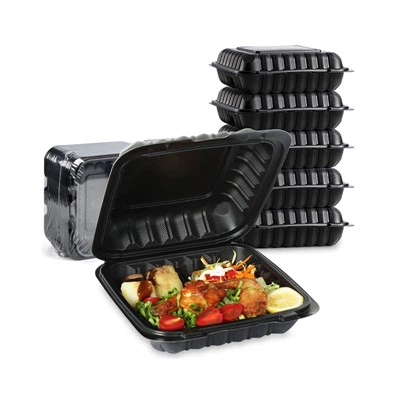
While a disposable plastic togo box is convenient, oil stains and lingering odors are common complaints.
Common Daily Problems
Anyone who orders takeout has likely experienced this: After opening a plastic togo box, washing it post-use reveals stubborn grease stains and lingering odors. Oily dishes like curry, braised pork, or fried chicken are especially prone to seeping flavors into the container-sometimes even dish soap can't fully eliminate them. Many people end up discarding the containers outright, deeming them uneconomical.
Comparison with Glass and Metal Containers
Glass and stainless steel containers feature exceptionally smooth surfaces. Grease typically washes off with a single rinse, and it rarely retains odors. In contrast, plastic togo boxes have a less tightly packed molecular structure, allowing oil to penetrate more readily when heated. While plastic is lightweight and inexpensive, cleaning and deodorizing it can be quite troublesome.


2. Factors Affecting Oil and Odor Residue
In fact, the material, surface condition, and usage of different food containers all influence how easily oil stains and odors linger.
Differences in Materials
Common plastic containers include PP, PET, and PS. PP offers strong heat resistance and is less prone to oil absorption; PET boasts high transparency but retains odors more easily when heated; PS tends to absorb oil readily. Performance varies significantly among these plastic togo boxes, with material selection directly impacting cleaning difficulty.
Smooth vs. Rough Surfaces
Smooth-surfaced containers resist oil buildup, rinsing clean easily. Conversely, low-cost containers with rough surfaces-or even tiny pores-trap grease and odors within these crevices. High-quality reusable takeout boxes feature smoother surfaces, making them easier to clean and more durable.
Usage Temperature and Cleaning Methods
If you frequently microwave high-fat dishes in your takeout bento boxes, grease can easily seep into the material. Rinsing with cold water won't remove it effectively and may even intensify odors. The proper approach is to soak the container in hot water with dish soap, or in a solution of lemon juice and baking soda, for significantly better results.


3. Comparison of Different Togo Box Types
 Different to go boxes vary in their performance regarding oil residue and odor retention, each with its own advantages and disadvantages.
Disposable Plastic Togo Boxes
Disposable plastic takeout boxes are lightweight and inexpensive, making them ideal for the takeout industry. However, their drawbacks are evident: they readily absorb oil and retain odors, leaving residues even after washing, and are unsuitable for reuse. While cost-effective for businesses, they offer a subpar customer experience.
Reusable Togo Boxes
Reusable togo boxes are typically made from more heat-resistant PP or modified plastics. Their smoother surfaces make cleaning easier and resist odor retention. Many households and restaurants prefer these containers for their longevity, environmental benefits, and cost savings-making them more economical than disposables over time.
Togo Bento Boxes
Togo bento boxes feature compartmentalized designs ideal for separating different dishes. However, their drawbacks include compartments and seams that trap grease easily, leading to lingering odors over time. Additionally, cleaning becomes more challenging when handling greasy foods. Thus, they are better suited for light, compartmentalized meals rather than heavily oiled dishes.


4. How to Reduce Oil Stains and Lingering Odors?
 To minimize oil residue and odors in your lunch boxes, focus on material selection, usage habits, and purchasing practices.
Choose the Right Material and Design
Opt for heat-resistant lunch boxes with smooth surfaces, such as reusable togo boxes made from high-quality PP material. Additionally, simpler designs with fewer seams and compartments prevent oil from settling in crevices. Many manufacturers also offer oil-resistant coatings for enhanced performance.
Tips for Before and After Use
Before using the container, soak it in lemon water or a mild saltwater solution to create a protective barrier. Avoid frequent high-temperature heating of greasy foods, and wash immediately after use. Use hot water with dish soap, baking soda, or white vinegar to remove grease effectively, ensuring your plastic takeout box stays cleaner and odor-free.
Choices for Corporate Procurement
For restaurants that use go boxes long-term, opting for reusable takeout boxes is recommended. This not only saves costs but also reduces customer complaints. Manufacturers like Yangrui offer customizable containers-such as adding oil-resistant coatings or optimizing structures-to minimize grease and odor retention. This approach enhances customer experience while establishing a more eco-friendly and professional brand image.


Where to Buy Togo Bento Boxes?
 Yangrui specializes in plastic food containers, beverage cups, takeout boxes, and eco-friendly biodegradable packaging, providing professional one-stop procurement and customization services for catering companies, takeout platforms, and food retailers.
Contact information:
Email: sales@packagingbag5.com
Tel: +86 180 8644 3226
References
 Marsh, K., & Bugusu, B. (2007). Food Packaging-Roles, Materials, and Environmental Issues. Journal of Food Science, 72(3), R39–R55.
- Robertson, G. L. (2016). Food Packaging: Principles and Practice. CRC Press.
- Siracusa, V. (2012). Food Packaging Permeability Behaviour: A Report. International Journal of Polymer Science.
- Han, J. H. (2014). Innovations in Food Packaging. Academic Press.


