


Understanding the Concern

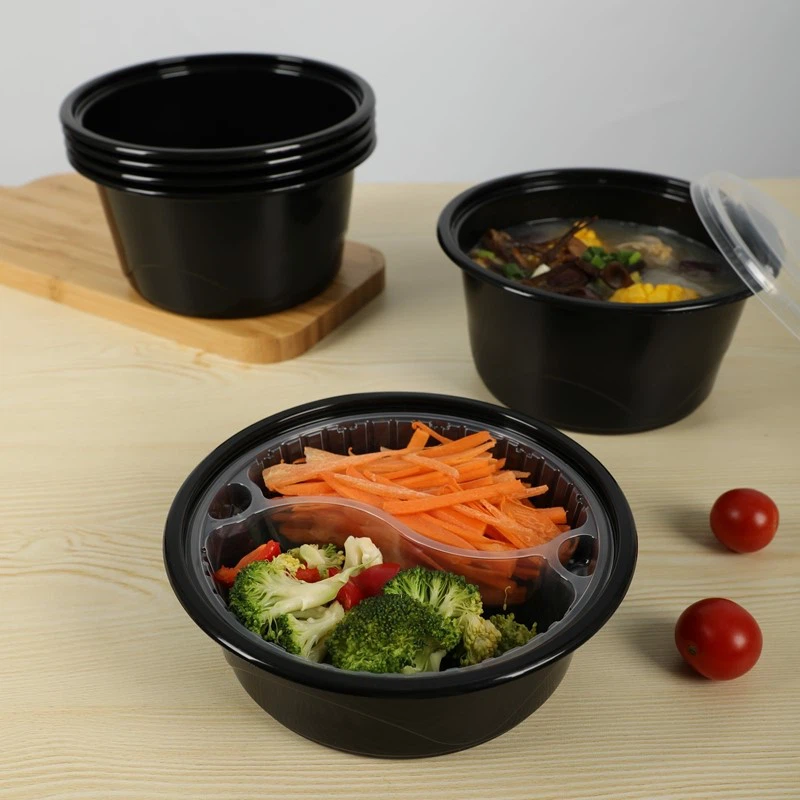
Plastic togo containers for food are widely used for storing leftovers or takeout, but concerns about whether they release harmful substances when refrigerated are common. This analysis examines the scientific evidence behind these concerns.
The safety of togo containers for food during refrigeration depends on multiple factors, including the type of plastic used, whether it meets food-grade standards, how it's used, and the types of food stored.
By understanding the science behind plastic behavior at low temperatures, consumers and businesses can make informed decisions about using togo containers for food while ensuring safety and minimizing risks.
Understanding the Materials in Plastic Togo Containers
The safety of togo containers for food primarily depends on the type of plastic used and whether it meets food-grade standards.

PP 5
Polypropylene
Highly Recommended
PP is highly stable and durable, making it ideal for togo containers for food used in refrigeration (0–5°C) or even freezing. It resists cracking and maintains structural integrity at low temperatures.
Key Properties:
Excellent low-temperature stability
Resistant to cracking in refrigerators
Suitable for long-term refrigeration
Generally BPA-free
PET 1
Polyethylene Terephthalate
Recommended
PET is another excellent choice for refrigerated togo containers for food. It's commonly used for cold salads, beverages, or deli items due to its clarity and stability.
Key Properties:
Good stability at refrigeration temperatures
Resistant to acidic foods when chilled
Clear appearance showcases food well
Not ideal for freezing or hot foods


PS 6
Polystyrene
Limited Use
Often found in foam containers, PS can become brittle in cold temperatures, increasing the risk of cracking. It's less ideal for long-term refrigeration.
Key Properties:
May become brittle in refrigerators
Not suitable for long-term storage
Good for short-term cold storage
Potential for chemical leaching when damaged
PLA
Polylactic Acid
Conditional Use
A biodegradable, plant-based plastic, PLA is suitable for short-term refrigeration but not for freezing, as it may degrade over time in extreme cold.
Key Properties:
Eco-friendly and biodegradable
Safe for short-term refrigeration
Not suitable for freezing
May degrade in cold conditions over time
Food Safety Certifications
High-quality togo containers for food need to adhere to stringent safety regulations, such as those established by major food safety authorities. These certifications guarantee that the plastic won't release harmful compounds under various conditions.
FDA Certification
U.S. Food and Drug Administration standards ensure safety for food contact materials
LFGB Compliant
German Food and Feed Code compliance for consumer goods.
SGS Testing
Worldwide testing and certification ensure material safety

Look for labels such as "Food Grade," "PP 5," or "BPA-Free" on togo containers for food to ensure they've been tested for safety in refrigerated conditions.
Do Plastic Togo Containers Release Harmful Substances When Refrigerated?
Guidelines for safe and effective use of togo containers for food during refrigeration
Proper Refrigeration Practices
1. Cool food before storing
Let hot food cool to room temperature before placing it into togo containers for food and refrigerating to prevent condensation.
2. Limit storage time
Consume refrigerated food within 3–4 days to maintain freshness and minimize any potential risks.
3. Avoid frost contact
Don't let togo containers for food touch the frosty back wall of the refrigerator, as extreme cold can make some plastics brittle.
4. Separate raw and cooked foods
Use separate togo containers for food to prevent cross-contamination, especially for raw meats or seafood.
Choosing Safe Togo Containers
1. Check certifications
Look for "PP 5," "PET 1," or "Food Grade" labels and confirm FDA or SGS certification on togo containers for food.
2. Choose reputable brands
Opt for togo containers for food from trusted manufacturers with a track record of quality, such as those adhering to ISO9001 standards.
3. Match the container to use
For refrigeration, PP or PET containers are ideal. For freezing, ensure the container is explicitly labeled as freezer-safe.
4. Inspect for damage
Avoid using togo containers for food that are cracked, scratched, or discolored, as these can harbor bacteria or leach chemicals.
Eco-Friendly Alternatives
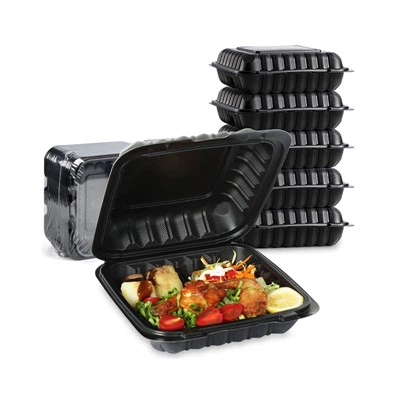
For those concerned about plastic use, several eco-friendly options are available that maintain safety during refrigeration:

01
PLA Containers
Biodegradable plant-based plastic suitable for short-term refrigeration
02
Bagasse
Sugarcane fiber containers that work well for cold foods

03
Pulp Containers
Compostable paper pulp options for refrigerated storage

04
Recycled PP
Recycled polypropylene with same refrigeration safety as virgin PP
Safe Refrigeration with Togo Containers
In summary, togo containers for food made from food-grade PP or PET are safe for refrigeration when used correctly. These materials are stable at low temperatures, and certified containers pose negligible risks of releasing harmful substances.
The key factors ensuring safety are choosing the right plastic material (PP 5 or PET 1), verifying food safety certifications, following proper usage guidelines, and avoiding common misuse practices like reusing single-use containers or microwaving non-microwave-safe plastics.
Yangrui's Role in Safe Food Packaging
Businesses like Yangrui provide dependable, food-grade togo containers for food needed by restaurants and consumers. Yangrui's PP and PET containers are safe for frozen and refrigerated storage since they adhere to FDA, SGS, and ISO9001 requirements. Their sophisticated manufacturing techniques yield reliable, long-lasting, and secure togo containers for food that may be used at home, in catering, or for takeout.
Final Recommendations
Choose PP 5 or PET 1
Prioritize these materials for refrigerated storage of togo containers for food

Ensure containers meet FDA, EFSA, or SGS food safety standards

Consume refrigerated foods within 3-4 days for optimal safety

By following these guidelines, you can confidently use togo containers for food in refrigeration, ensuring both safety and convenience.


