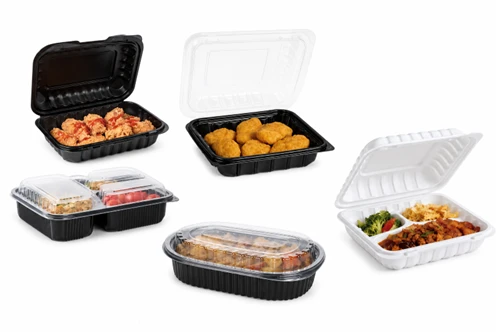
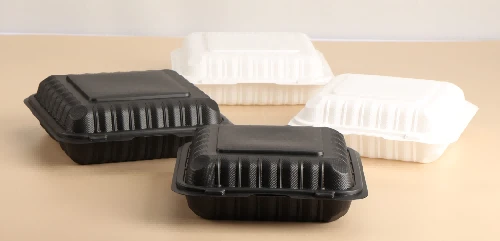
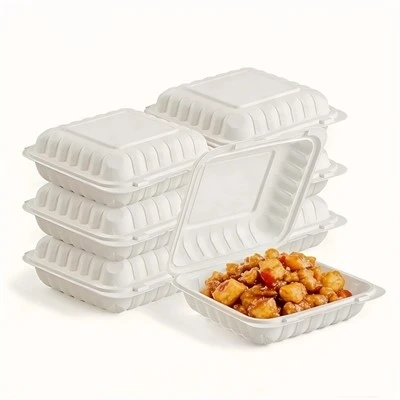
In the eyes of packaging designers, the first is of course to help sales and brand integration, but then you will specifically introduce the role of food packaging, of course, everyone thinks that the first place is definitely in the absolute position:
1. Promote food competition and increase food sales
2. Protecting food and extending the shelf life of food
(1) Protecting the appearance quality of foods to produce certain economic benefits
Foods are transported, handled, transported and stored throughout the circulation process, which may cause damage to the appearance quality of food. After the food is packaged inside and outside, the food can be well protected from damage.
(2) Protecting the original quality of food and extending the shelf life of food
The quality of food changes and deteriorates throughout the circulation. The food itself has certain nutrients and moisture. This is the basic condition for the production and reproduction of bacteria, mildew, yeast, etc. When the temperature of food preservation is suitable for their reproduction, the food will be spoiled and deteriorated. If the food is aseptically packaged or packaged for high temperature sterilization, refrigeration, etc., it will prevent food spoilage and prolong the shelf life of the food.
At the same time, the food itself has a certain amount of water, and when the content of the water changes, it will cause changes or deterioration of the flavor of the food. If the corresponding moisture-proof packaging technology is adopted, the above phenomenon can be prevented, and the shelf life of the food is effectively extended.
In addition, when the food is in circulation, when it is directly exposed to sunlight and light, and at high temperatures, it is easy to cause oxidation, discoloration, odor, etc. of the food, such as the corresponding vacuum packaging, inflatable packaging and other technologies and corresponding packaging. Material. It can also effectively extend the shelf life of packaged foods.
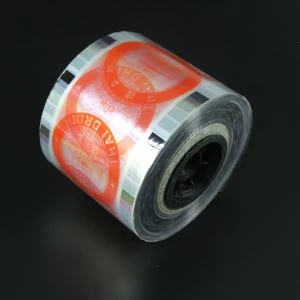
In the food market, where consumer demand for food safety, freshness, and convenience is constantly rising, food packaging film plays an indispensable role. From supermarket shelves to home refrigerators, from fast-food chains to online grocery deliveries, this thin yet versatile material undertakes multiple critical functions that support the efficiency of the food supply chain and protect consumer health. This article will delve into the core roles of food packaging film, focusing on its adaptation to key regulatory requirements and market trends.
1 Extend Food Shelf Life, Reduce Waste
Food waste is a major challenge, with the USDA estimating that 30-40% of the food supply is wasted annually. Food packaging film addresses this issue by effectively extending the shelf life of food products. Through barrier technology, high-quality packaging films block oxygen, moisture, and external contaminants from entering the package, slowing down the oxidation, spoilage, and microbial growth of food.
For consumers who often purchase food in bulk (a common shopping habit), packaging films such as vacuum-sealed films and modified atmosphere packaging (MAP) films are particularly valuable. Vacuum-sealed films remove air from the package, inhibiting the growth of aerobic bacteria and keeping meat, seafood, and processed foods fresh for 2-3 times longer than traditional packaging. MAP films, which adjust the gas composition inside the package (e.g., increasing CO₂ and reducing O₂), are widely used in fresh produce, ready-to-eat meals, and bakery products-categories that are in high demand in grocery stores.
Compliance with key food safety standards (such as FDA regulations) is non-negotiable for these films. Food-grade packaging films used are made from safe, non-toxic materials that do not migrate harmful substances into food, ensuring that extended shelf life does not come at the cost of consumer health.

2 Ensure Food Safety & Traceability
Food safety is a top priority for consumers and regulators. Food packaging film plays a dual role in safeguarding food safety: it acts as a physical barrier against cross-contamination during transportation and storage, and it supports traceability-a key requirement under major food safety laws.
Many food packaging films are designed with tamper-evident features. These films break or show visible signs of damage when opened, alerting consumers to potential tampering. This is especially important for ready-to-eat foods, baby food, and organic products, which are held to higher safety standards.
Additionally, packaging films serve as a carrier for traceability information. With the rise of smart packaging, films can be printed with QR codes, barcodes, or RFID tags. Consumers can scan these codes to access details such as the food's origin, production date, expiration date, and inspection records-meeting the transparency demands of modern shoppers.
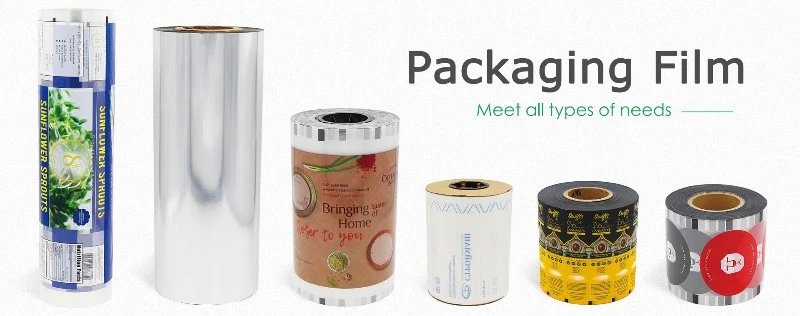
3 Enhance Convenience for Fast-Paced Lifestyles
Consumers lead fast-paced lives, with a growing preference for convenient, on-the-go food options. Food packaging film is tailored to this lifestyle by enabling easy-to-use, portable packaging solutions.
Resealable packaging films (such as zip-lock films) are a staple in households. They allow consumers to open and reseal packages multiple times, keeping leftover food fresh without the need for additional containers. This convenience is a major selling point for snacks, cereals, and frozen foods-categories that dominate the snack food market.
Microwave-safe packaging films are another key innovation for North American consumers. These films are heat-resistant and can be used directly in the microwave, making it easy to reheat ready-to-eat meals, leftovers, and frozen foods. They are designed to withstand high temperatures without melting or releasing toxins, complying with FDA guidelines for microwave-safe materials.

4 Support Branding & Sustainability Goals
In the competitive food market, branding is crucial for product differentiation. Food packaging film offers ample space for printing high-quality graphics, logos, and marketing messages, helping brands stand out on crowded supermarket shelves. Vibrant, eye-catching film packaging is particularly effective for attracting consumers in retail environments such as Walmart, Costco, and Whole Foods Market.
Sustainability is another growing trend, with 73% of U.S. consumers saying they would pay more for sustainable products (Nielsen report). Food packaging film manufacturers are responding by developing eco-friendly options, such as recyclable films, compostable films (made from bio-based materials like PLA), and films made from recycled content. These sustainable films retain the core functions of traditional films (barrier protection, convenience) while reducing environmental impact-aligning with the push for a circular economy and reduced plastic waste.

5 Optimize Supply Chain Efficiency
The food supply chain is vast, with products often traveling long distances from farms and factories to retail stores and consumers' homes. Food packaging film plays a vital role in optimizing supply chain efficiency by protecting food during transportation and reducing packaging weight and volume.
Lightweight packaging films reduce the overall weight of shipments, lowering transportation costs and carbon emissions-an important consideration for companies aiming to reduce their carbon footprint. Films are also flexible, allowing for efficient stacking and storage in warehouses and trucks, maximizing space utilization.
For perishable goods that require cold chain transportation (a common practice for fresh produce, dairy, and meat), temperature-resistant packaging films are essential. These films maintain their barrier properties at low temperatures, ensuring that food remains fresh even during long-distance transport in refrigerated trucks and containers.
Food Packaging Film-A Cornerstone of the Food Industry
Food packaging film is far more than just a thin layer of material; it is a cornerstone of the food industry, addressing critical needs such as reducing food waste, ensuring safety, enhancing convenience, and supporting sustainability. As consumers continue to prioritize freshness, safety, and eco-friendliness, the role of food packaging film will only become more important-driving innovation in barrier technology, smart packaging, and sustainable materials.
For food manufacturers and retailers, choosing the right packaging film (one that complies with local regulations, meets consumer demands, and aligns with sustainability goals) is key to success in this competitive market. Whether for bulk food, ready-to-eat meals, or fresh produce, food packaging film remains an indispensable tool for delivering high-quality, safe, and convenient food to households.